• Skip to primary navigation
  • Skip to main content
  • Skip to primary sidebar

Western Garden Centers

for what grows here

  • Home
  • How To
  • Gift Cards
  • Calculate Mulch
  • Locations
    • Store Hours
    • About
    • Garden Shop Employment Team
  • Weddings
    • Salt Lake City, UT
    • West Valley, UT
  • Blog
    • Gardening
    • Recipes

Utah Gardening

utah spring jobs at Western Gardens

January 30, 2021 by Wendy Pettit

Want the best spring job ever?

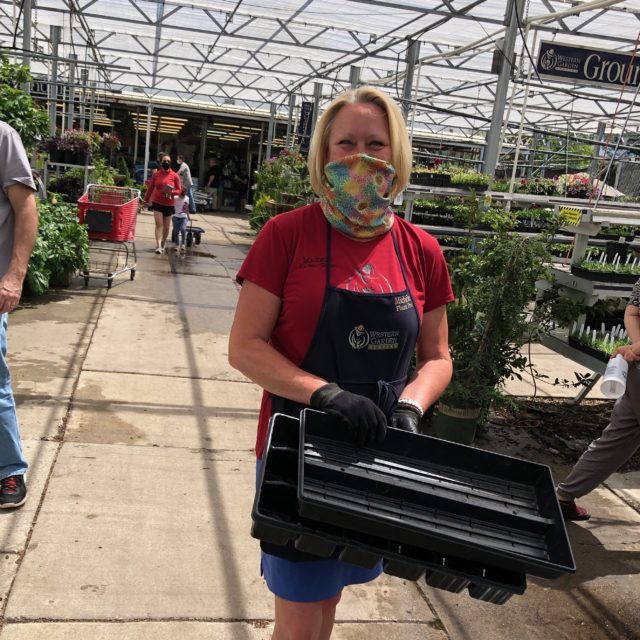
It’s now the end of January and your Utah spring job opportunity is soon opening. Our two Western Garden Centers are gearing up for a wonderful season.  The garden shops are getting set up and our nurseries will be ready to receive our prime plant material beginning in March. For this spring job in Utah, we are looking for ambitious and dedicated workers who will help the team create a positive experience for our cliental.  Your hands might get a little dirty, but Hey, we are a garden center!  Plus, you’ll learn a lot about working in your own yard and garden!  Employee Application is below.
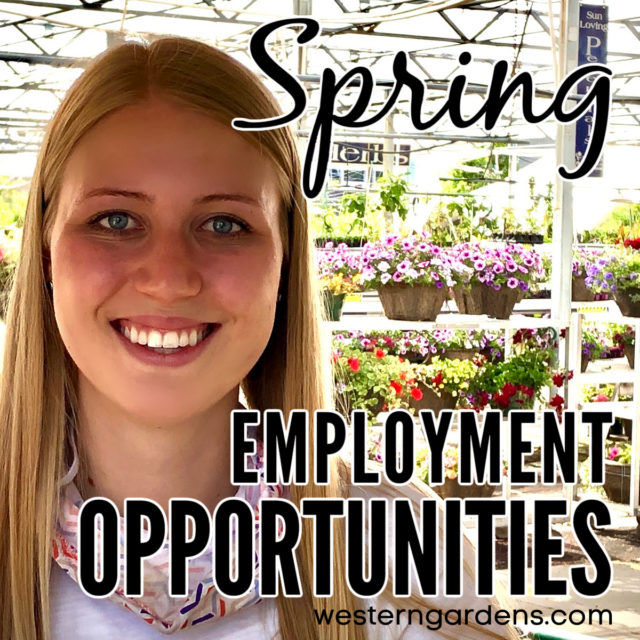
work at western gardens utah garden center employment opportunity

If you enjoy working outside in the fresh air and with a happy team of people, please apply for a seasonal job with us.  We will have openings for customer service, plant care, cashiering, and possibly more.  If you love horticulture and know your stuff, you possibly could be on our sales team.

Step 1: Download and fill out our Employee Application (HERE).

Step 2: Beginning MID-March, call the store you wish to work at and set up an appointment to interview with the store manager.  Be sure to check Google for the most current store hours, they change throughout the year.

Step 3: Show up!  Your interview with the store manager is crucial and don’t forget to bring in your application.

Due to Covid-19, we require all employees to wear face masks.  When hired, we can help supply you with some if needed.  Also, we are closed on Sundays.
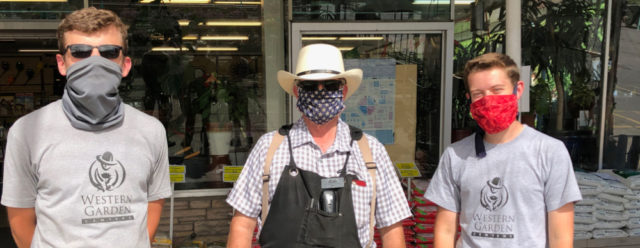
utah spring jobs for 3 masked men employees at salt lake city garden center

woman employee with happy wave at salt lake garden center

salt lake city garden center is happy place to work for utah spring jobs

employee at small business garden center in salt lake city, favorite utah spring job

Filed Under: Gardening, How To, Utah Gardening

Best Plants for Seniors – Beginner Gardening

June 29, 2020 by Wendy Pettit

Senior gardening woman Edu Carvalho from Pexels

by Danielle K. Roberts

Spring has rolled in, which means it is time to get your garden ready! Doctors and psychologists have stated that gardening can have significant health effects on a person’s mind and body. There are many health benefits for senior citizens who plant gardens, such as managing your stress levels and creating a positive mindset. Gardening in retirement can also help build up your physical strength that can also improve your motor functioning. When creating an outdoor garden or a flower pot garden, some plants are easier for beginners.  Read on to learn what we think are great plants for seniors, just starting with gardening.  Enjoy our excellent planting guide for Utah vegetable gardens.  Even if you missed the first planting in spring, a second planting guide is included!  

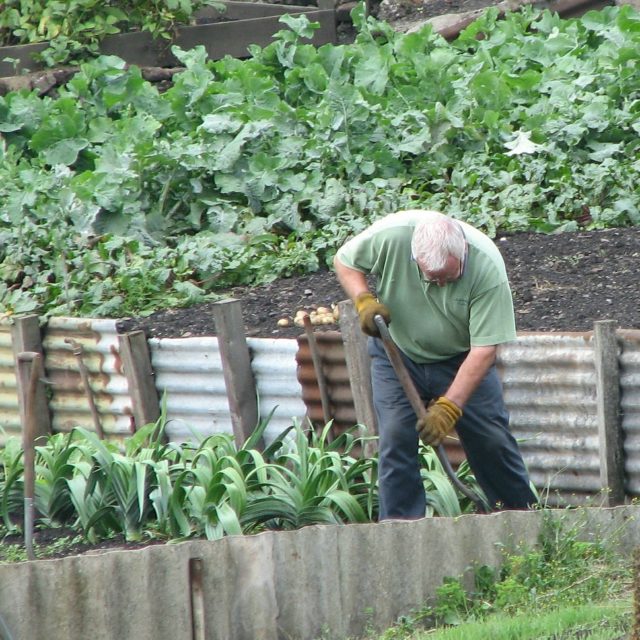
senior man in garden

Photo Credit: AKA Ralph at Pixabay

VEGETABLE GARDEN FOR SENIORS

Growing your vegetation is a great hobby and can be cost-effective in the long run. If you have never tried homegrown vegetables, then your taste buds have a lot coming! While picking out which type of vegetables you would like to plant and grow in your garden, remember that you only want to plant vegetables that you will eat. Do not plant squash if you do not like to eat squash!

Certain vegetables are known for beginner gardeners that are easy to keep alive and maintain.

Cucumber

Cucumbers are a natural vegetable to grow and do not require a lot of maintenance. Whether you choose to plant cucumbers in the ground or a container, you will want to ensure that the soil will drain well. Cucumbers are a vine plant, so keep in mind while planting that the vine will need a place to climb.

Lettuce

Lettuce is a great beginner vegetable to plant because it grows at a fast rate; therefore, you can see results quickly! When planting lettuce, make sure that it receives enough water and that it is in a shaded area during the summertime.

Old woman gardening Piqsels

Photo Credit: Piqsels

Green Beans

Whether you want to plant pole beans or bush beans, both are low maintenance that can grow well with just water. The difference in planting the two types of beans is the amount of room they both need. If you decide to plant a pole bean, you will need to invest in a trellis on which to grow the beans. If you would like to plant a bush bean, you will need about two feet of room for it to grow (but no individual support is required.)

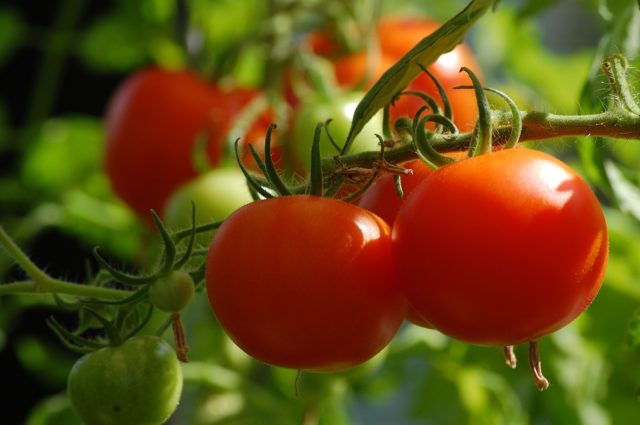
tomatoes on vine

Photo: Pixabay

Tomato

The most popular vegetable (or fruit) to grow! There is a wide variety of tomatoes that you can grow, such as grape tomatoes or heirloom tomatoes. The key to growing fresh tomatoes is by watering them in the morning, provide lots of sunlight, and not overcrowd them while they develop.

Click here to read up on five green veggies for a fall garden.  Or view a good list of warm versus cool-season vegetables.

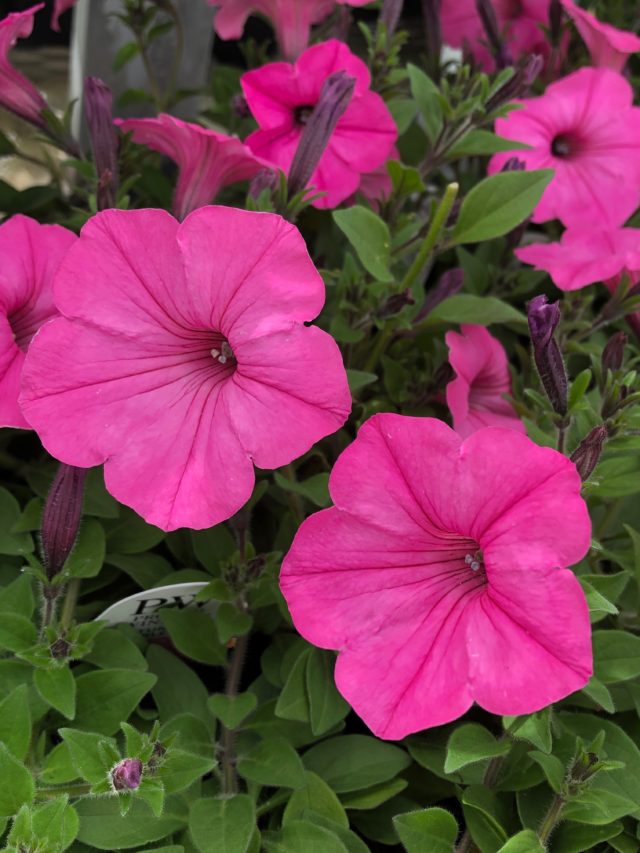
pink petunias in utah garden

FLOWER GARDENS FOR SENIORS

Having a flower garden will bring bright, vibrant colors for you and your neighbors to gawk at. When having a flower garden outside your home, you can create an aesthetic appeal to your property. Caring for certain flowers can be difficult, as most flowers are very delicate. You will want to steer clear of exotic flowers, considering that they have special requirements for the up-keep and require a lot of attention. With that said, there are certain species of flowers that are perfect for beginner gardeners. 

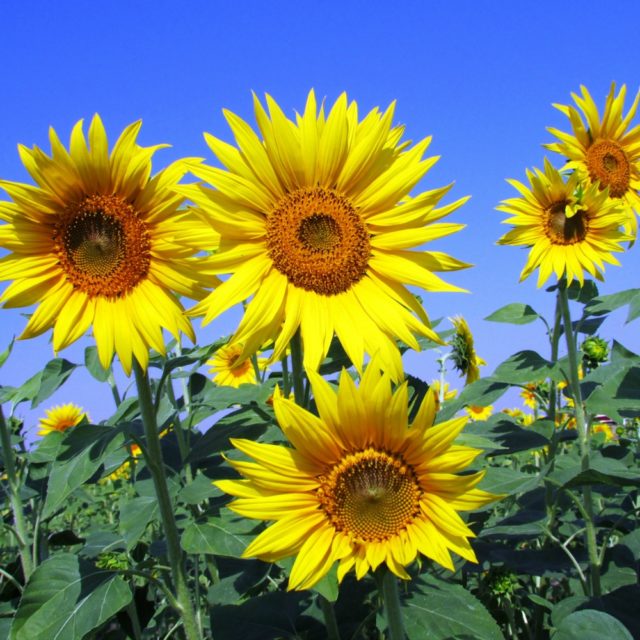
sunflowers in utah garden

Photo Credit: by Vijayana Rasimha at Pixabay

Sunflowers

There is a minimum up-keep when planting and growing sunflowers. The sunflower seeds are large, which makes them easy to handle. After planting the seeds, you will need to water them consistently for 20 days. During the sunflowers growing season, you will want to fertilize the sunflowers with a water-soluble fertilizer.
elderly woman in flowers

Photo Credit: Edu Carvalho at Pexels

Zinnias

Zinnias resemble flowers like daisies and dahlias. But, do not be fooled – this unique flower comes in a variety of colors (except blue) and different heights. Zinnias will need space in the garden bed and lots of sunlight to fulfill their full potential.

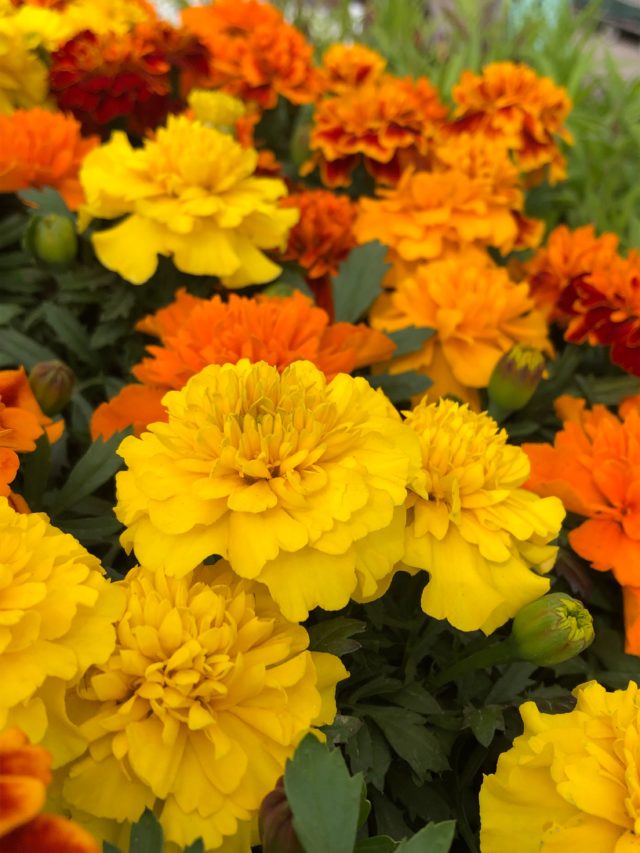
marigolds yellow and orange in utah garden

Marigolds

Marigolds thrive in the summer sun, and their colors can range from yellow, red, and gold. Whether you choose an American or African marigold, they can grow up to be five feet tall, but here in Utah, you will find shorter varieties of all kinds. When watering, you will want to allow the soil to dry between each time you water them.

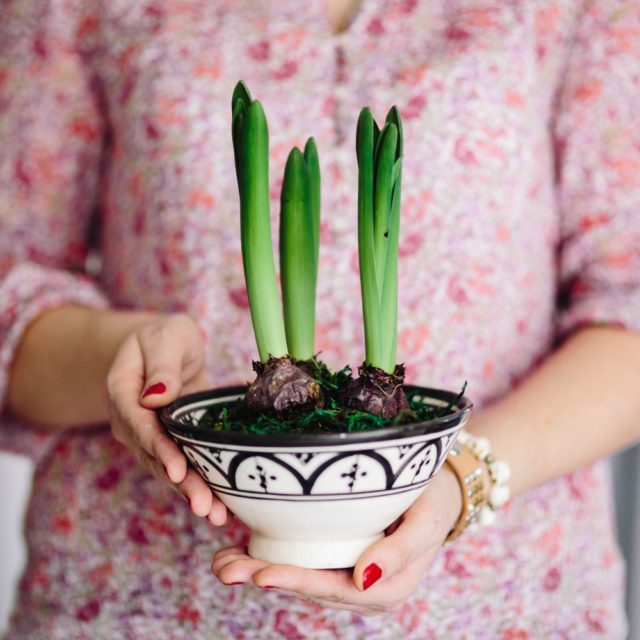
woman hold bowl of bulbs

Photo Credit: Sjozb at Piqsels

Daffodil Bulbs

You can plant daffodil bulbs in the spring or fall, and they will burst with intense colors and bloom like no other plant. Daffodils also produce a great fragrance to where you will watch yourself gravitating to them each time. Daffodils require lots of water, so as soon as they are planted, you will want to water them immediately. Once they start to bloom, you can put a halt to watering them. Don’t limit yourself to daffodils.  There are gladiolas, calla lilies, tulips, crocus, hyacinths, and more.

To Sum it Up

You are never too old to plant a garden of sorts. Planting your garden can bring stimulation to the mind in many ways. Creating and maintaining a garden, even a small garden, is a great hobby for any age, and it will also keep you present in the day with a special award at the end.

senior woman in garden

Photo Credit: Anna Auza from Unsplash

Filed Under: Flowers, Gardening, health, Utah Gardening, Vegetables Tagged With: beginner gardening, best plants, cucumbers, flowers, marigolds, senior gardening, sunflowers, Utah gardening, vegetables

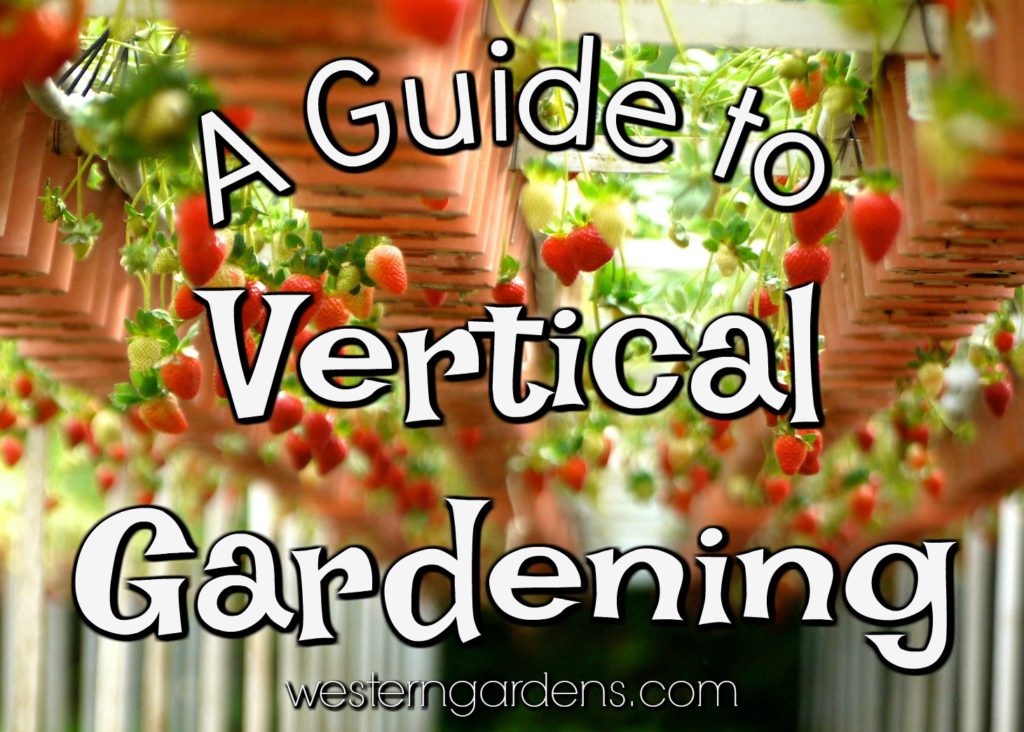
A Guide to Vertical Gardening

April 17, 2020 by Wendy Pettit

A Guide and Tips to Vertical Gardening in Utah

By Connie Pelton

The lack of a large space discourages many would-be gardeners. But if you can’t go out, perhaps you should consider going in a different direction: up.

Vertical gardening is a highly efficient way to make the most of a small area.  Vertical gardeners enjoy higher yields per square foot than their traditional counterparts. They also have an easier time with pest control and harvesting. Whether you dream of bountiful blooms or tangy tomatoes fresh off the vine, you can make a vertical garden work. Here is a guide to vertical gardening to get you started.

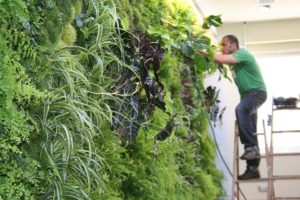
Vertical gardening in utah

Source

Location and Orientation

Plants, like people, are particular about where they like to live. Some love full sun, and others want a smattering of shade. If you follow the rules, you’ll have a successful vertical garden. Most vegetables and herbs thrive in as much sun as possible; morning sun is essential. If you have a south-facing wall, fence, or railing, this is your spot.

Planting Systems

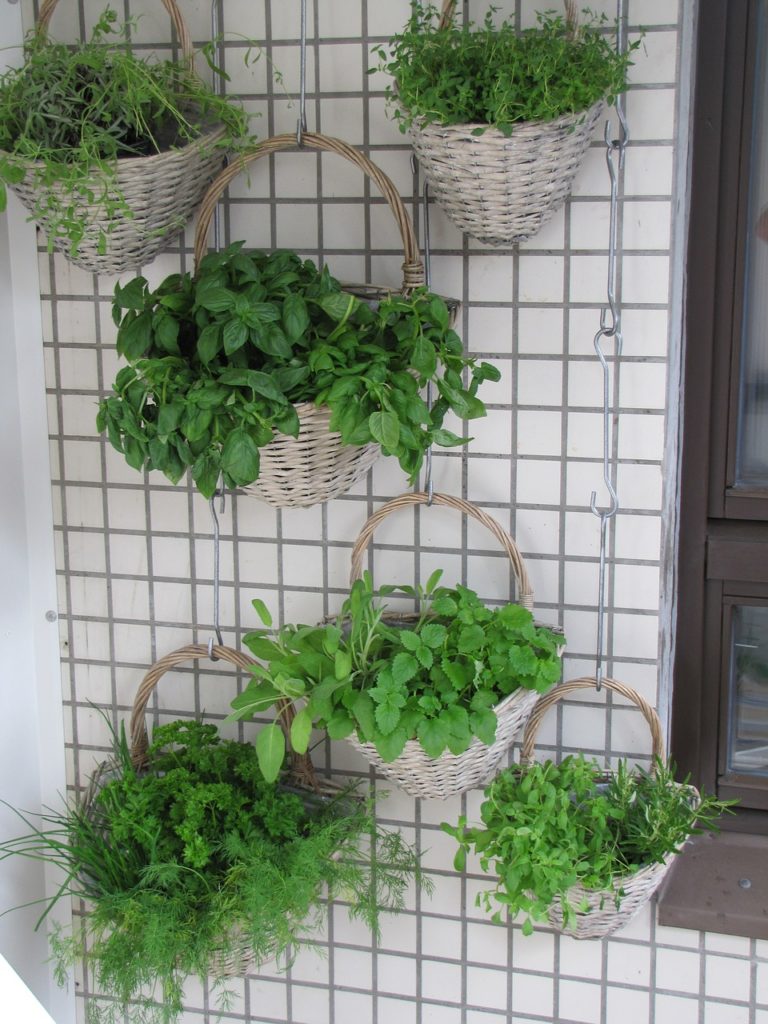
vertical gardening with baskets

Source

You have numerous vertical gardening systems to choose from.

  • Pocket systems hang on walls.
  • Modular systems stack atop one another.
  • Pallets are made with upcycled materials, with one side covered in fabric or plywood, then leaned against a fence or wall and filled with soil.
  • Ladder-like shelves hold potted plants leaning against a wall.
  • Hanging baskets are linked together in a chain.
  • Rain gutters let you plant strawberries in them and hang on a fence.
  • Trellises can be shaped like a teepee or A-frame and arranged over a soil-filled bed.
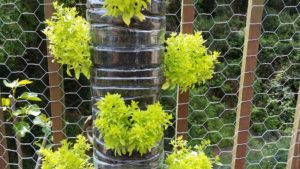
vertical gardening using plastic bottle

Photo by Luisgopa at Pixabay

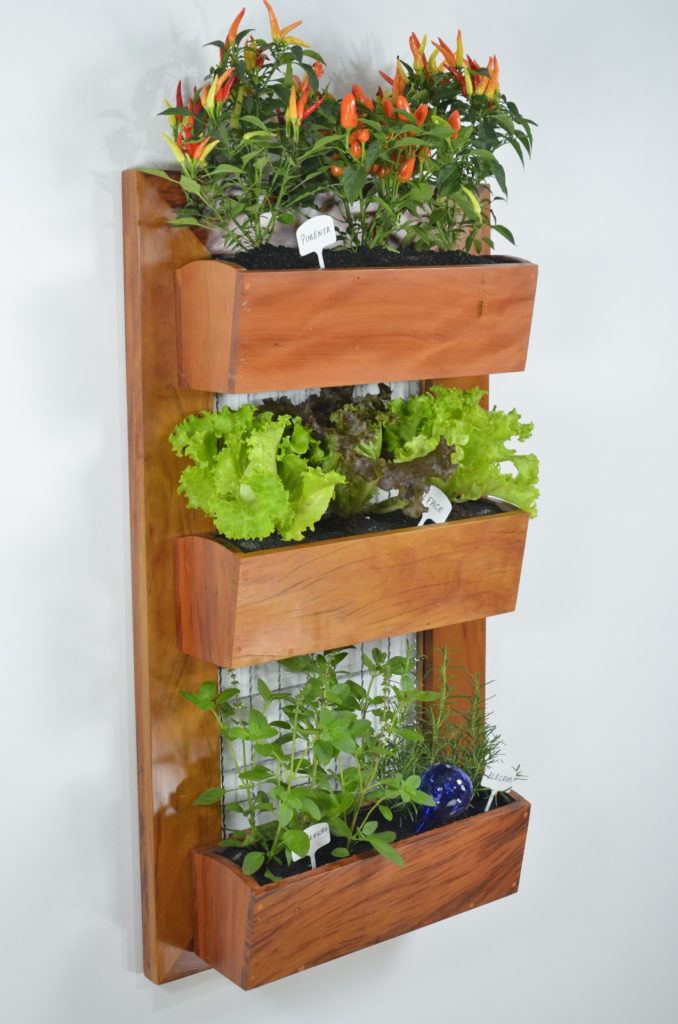
vertical garden wood letter box

Photo by Dieneves at Pixabay

Feeling overwhelmed?  No worries!  See some tips for early spring gardening here.

Layering and Light

Because vertical gardening involves trellises and tiers, be mindful of plants that will cast shade on one another. You can underplant vining veggies such as tomatoes and squash with herbs such as mint, chives, tarragon, cilantro or parsley, which can handle a bit of shade. Try to plant varieties that are close to the same height and grow at the same rate to avoid crowding and shading. Sweet corn has such a solid stalk structure that you can use it to support climbers like beans. “Companion planting” is actually an ancient crop tradition.

Caring for a Vertical Garden

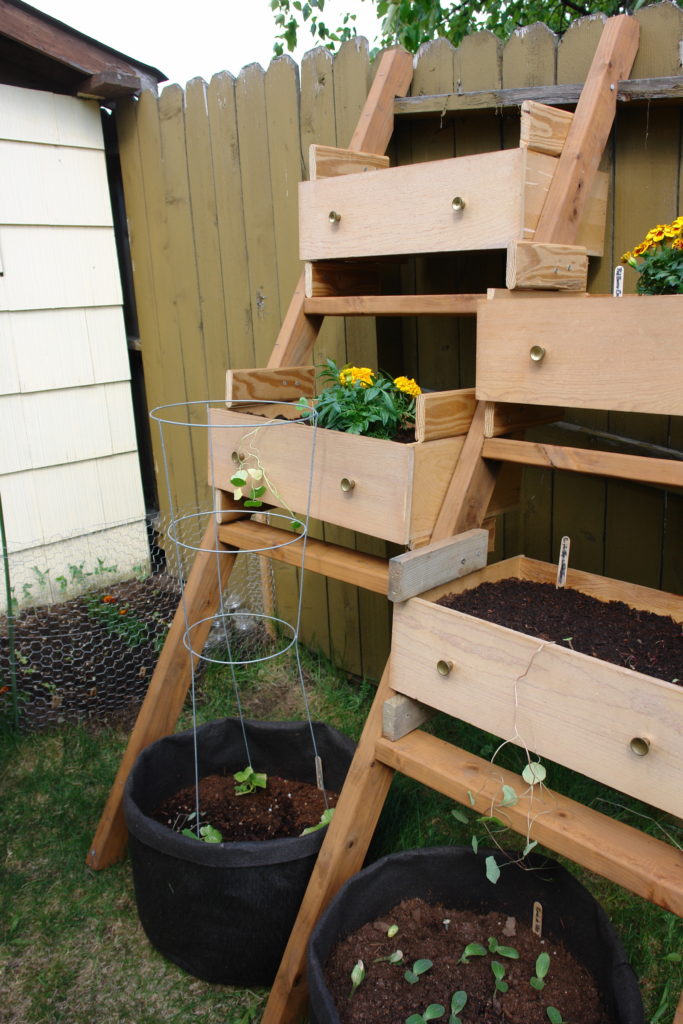
DIY vertical gardening with drawers

Source

Vertical gardens have some special needs. If you have trellises, you’ll want to keep a close eye on your climbers and do a bit of training to make sure vines stay where you want them. If you’re using containers or a raised bed, check the soil moisture often to make sure your plants don’t get dehydrated. You’ll also want to add a heavy layer of mulch – 2-4 inches– over the soil surface of raised beds. This helps the garden retain water during the hottest months of summer.

It’s easy to spot pest problems since many of your plants’ leaves will be exposed and closer to eye-level. Using organic pest control will ensure that your harvests are free of chemicals. If you see signs of aphids or other pests, you should treat them immediately. Hand-picking is your first line of defense against large pests such as caterpillars and beetles. For smaller insects, your approach may vary. Biological pest control is an organic, ecologically friendly way to combat garden pests on your lawn or in your garden.  By attracting or placing predator insects (praying mantids, ladybugs, lacewings) into the garden, you can let nature take care of your pest problems.

cages and drawers for utah vertical gardening

Source

Harvesting

Whether you use a tiered or trellised system, most vertical gardeners enjoy the relative ease of vertical harvesting. Rather than having to bend or crouch, you can harvest from a vertical garden while standing upright. This makes it a preferable option for the mobility-impaired or elderly gardeners.

Whether you’re a seasoned gardener or just developing your green thumb, vertical gardening is a beautiful way to take your gardening to the next level. Onward and upward!


About the author:  Connie Pelton is a retired teacher who spends most weekends gardening with her grandchildren. Together, they built and planted an indoor vertical garden wall taller than both of them.

Filed Under: Container Gardening, Gardening, Herbs, How To, Tips & How To's, Utah Gardening, Veggie Gardening Tagged With: garden vertical, utah gardeners, Utah gardening, vertical gardening

Western Gardens HARD GOODS

April 11, 2020 by Wendy Pettit

Many are asking for better photos of what we have in HARDGOODS – chemicals, organics, tools, etc.  Here are some of our most requested items and video walk-throughs of our aisles at the Salt Lake Store.  Our West Valley store has the same!  Give us a call with your order!  We will even load it in your vehicle for you!  Thanks for supporting Utah small business!

FUNGICIDES & HERBICIDES

Video – FUNGICIDES – CLICK HERE

Video – HERBICIDES – CLICK HERE (coming soon)

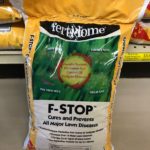
F-Stop fungicide in Utah major lawn diseases

F-Stop is a great one that solves most lawn diseases.

Wide variety of fungicides in liquid, powder, concentrate, and more.

Wide variety of fungicides in liquid, powder, concentrate, and more. Follow label instructions


INSECTICIDES, PEST CONTROLS, & ORGANICS

Video – INSECTICIDES, PEST CONTROLS, ORGANICS – CLICK HERE

Video – How to use the TREE & SHRUB SYSTEMIC INSECT DRENCH – CLICK HERE

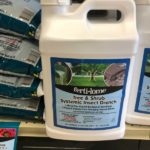
Systemic Insect drench to apply early utah spring for non-fruit bearing trees

Apply early to mid April in Utah. Drench non-fruit bearing trees and shrubs. Follow directions on label. It works!

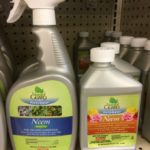
Neem Oil organic pest control

Organic insect controller

Diatomaceous Earth Organic pest control

Organic pest control for those critters with soft bodies and joints

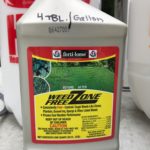
Weed Free Zone - kills broadleaf weeds in lawn

Proven to work in early spring (cool weather). Kills weeds in lawn – spurge, clover, and more. Do NOT spray on any broad leaf plant you want to stay alive. Made only for weeds in lawn application. Follow label instructions!

ANIMAL REPELLENTS

Video – ANIMAL REPELLENTS – CLICK HERE


FERTILIZER PRODUCTS

Video – Fertilizers – Specialized, Organics, Tree Stakes and more –  CLICK HERE 

Video – Fertilizer Favorite – Gardener’s Special –  CLICK HERE

Video – Fertilizer WGC General use & SOIL AMENDMENTS – CLICK HERE

Video – LAWN CARE – Our 4-STEP PROGRAM FERTILIZER – CLICK HERE

Video – LAWN CARE – ORGANIC Fertilizers – CLICK HERE

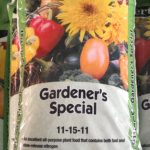
Gardeners special fertilizer with micro-nutrients

Our manager’s favorite all-purpose fertilizer with micro-nutrients.

BIRD SUPPLIES

Video – BIRD SUPPLIES – CLICK HERE


CONTAINERS – Pots and more (inside store – not including Ceramic Pots outside)

Video – CLAY POTS (small/medium), SEED TRAYS, LABELS – CLICK HERE

Video – PLASTIC POTS, CASTORS for moving heavy pots – CLICK HERE

Video – HANGING baskets, WINDOW boxes, Liners, etc. – CLICK HERE


LAWN CARE / GRASS SEED & STARTING A NEW LAWN

Video – GRASS SEED / STARTING A NEW LAWN OR OVERSEEDING – CLICK HERE

Video – Our Popular 4-STEP PROGRAM for Lawns all season long – CLICK HERE

Video – ORGANIC Fertilizer for LAWN CARE – CLICK HERE

pdf –  INSTRUCTIONS  – How to Plant a New Lawn from Seed

Array of sun and shade grass seed. April is a perfect time to plant lawn from seed.

Array of sun and/or shade loving grass seed. April is a perfect time to plant lawn from seed.

More shade and sun loving grass seed options

More shade and sun loving grass seed options

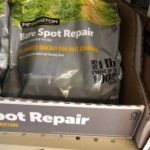
bare spot repair for lawns and grass

Need to just fix a bare spot in your lawn? Here is an easy product to work with!

TOOLS – including GLOVES etc.

Video – TOOLS – CLICK HERE (COMING SOON)

Photos of Favorite Tools – CLICK HERE

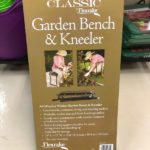
2 in 1 bench/kneeler.

Another best seller! 2 in 1 bench/kneeler.

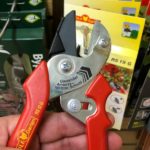
Best Wolf Garden hand pruners

Wolf Garden is a hand pruner that we highly recommend. We gave our mother her very own pair to hide so that others didn’t walk off with hers!

PLANT SUPPORTS

Video – PLANT SUPPORTS – CLICK HERE

POTTING SOILS & ORGANICS, RAISED BEDS, PEAT MOSS – LARGE SIZES

Video – POTTING SOILS, RAISED BEDS, PEAT MOSS – CLICK HERE

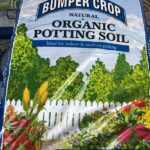
Bumper Crop ORGANIC potting soil

This is a fantastic organic product for planting up your new pots.

raised bed organic soil for growbox

Did you build a new growbox or raised bed? This is the soil you want.

SPECIALIZED POTTING SOILS

Video – SPECIALIZED POTTING SOILS – CLICK HERE

Potting soil specialized

A wide variety of specialized soils for specialized plants in pots.


SOIL AMENDMENTS

Video – SOIL AMENDMENTS – CLICK HERE

Video about our BEST – BUMPER CROP SOIL BUILDER – #1 Product for Utah soils  – CLICK HERE

Bumper Crop ORGANIC SOIL BUILDER FOR UTAH GARDEN SOILS

This is our most favorite and most popular product we sell. Find great success with Bumper Crop Soil Builder.


KIDS in the Garden

Video – FAIRY GARDENS – figurines, houses, stones, moss, and more.

We also have an array of children’s tools and toys to help them be part of your garden.

Garden kid starter kit for utah children

Get your kids involved with their own garden tools. Here is a perfect starter kit. Their little hands can actually help a lot.

children tools for garden work

Variety of children tools to teach them the miracle of a garden.

children yard fun with kites

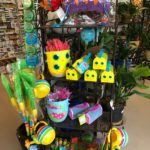
Activities for in the yard or garden


For more instore products – CLICK HERE TO RETURN TO HOME PAGE

Filed Under: Container Gardening, Gardening, How To, Insects, Kids in the Garden, Lawn Care, Products, Seeds, Tips & How To's, Utah Gardening, Yard Care Tagged With: animal repellent, bird supply, fertilizers, fungicides, garden containers, garden pest, garden products, garden tools, grass seed, grow box, herbicides, insecticides, kid friendly, kid garden tools, Lawn Care, organic, peat moss, pest control, raised beds, soil amendments

A Planting Guide for Utah Vegetables

April 9, 2020 by Wendy Pettit


Here is one of our most popular handouts about Utah Vegetables and when to plant them and what to expect.  I often ask myself, “Is it too early to plant these?” or “How long before I can harvest?”  This two-page handout will help with a lot of those Utah vegetable garden questions.

Since we are so eager for you to find success, we would hope that you would return the favor and support us for our success as well.  We love this community and want everyone to find great satisfaction in doing what we love to do.

Click HERE to view and download our Planting Guide for Utah Vegetables


Filed Under: Gardening, How To, Utah Gardening, Vegetables, Veggie Gardening Tagged With: plant vegetables, planting guide, planting guide utah, utah gardens, utah vegetables, when to plant

SEEDS, SEEDS, SEEDS

April 5, 2020 by Wendy Pettit

seed packets

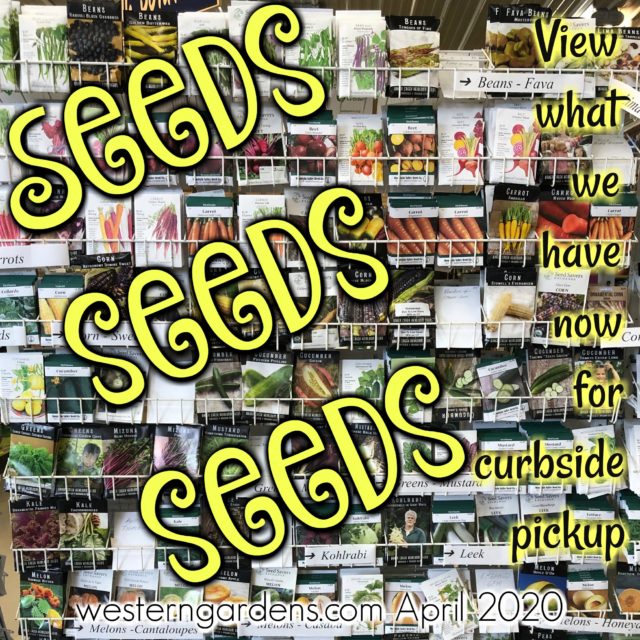
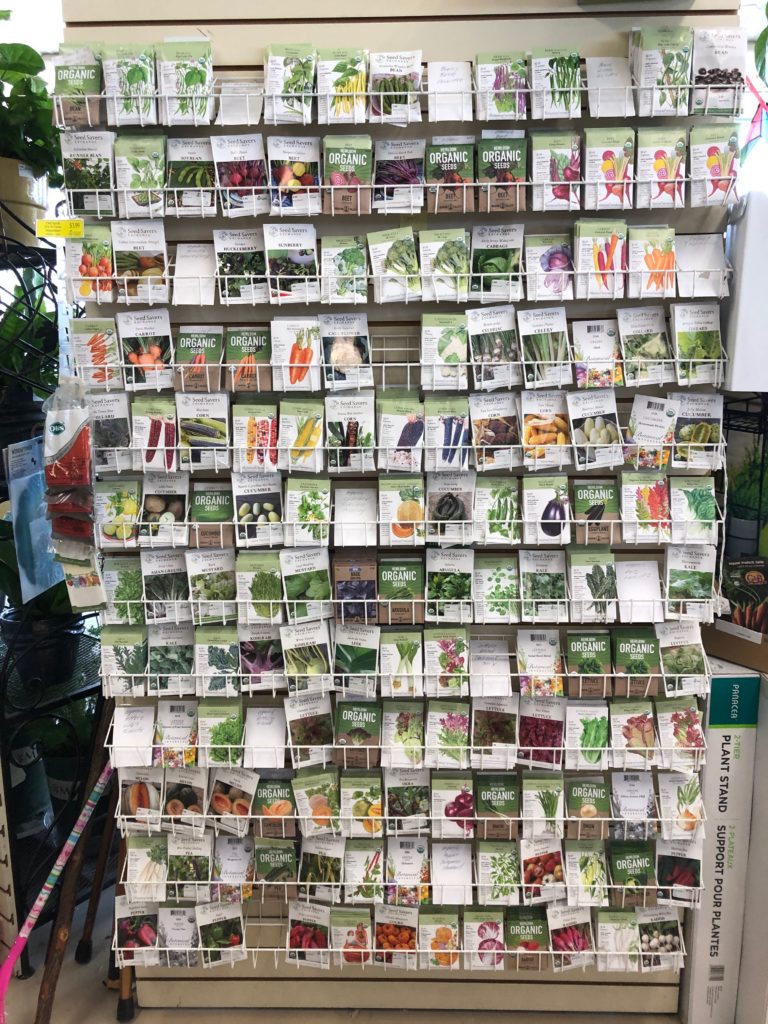
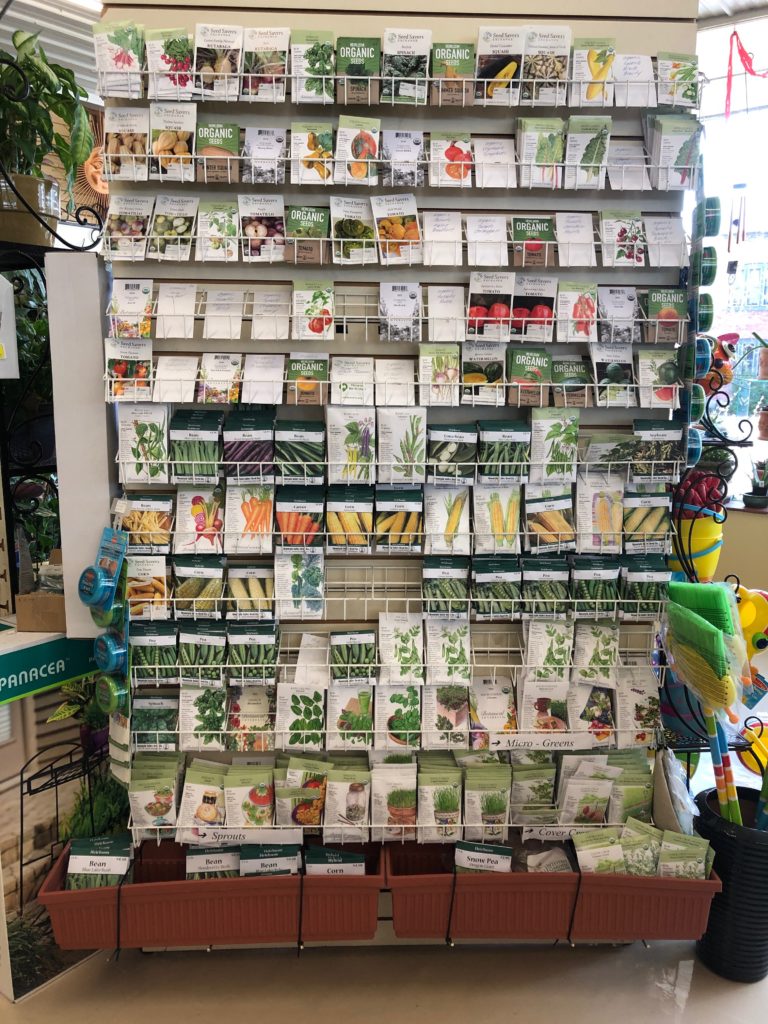
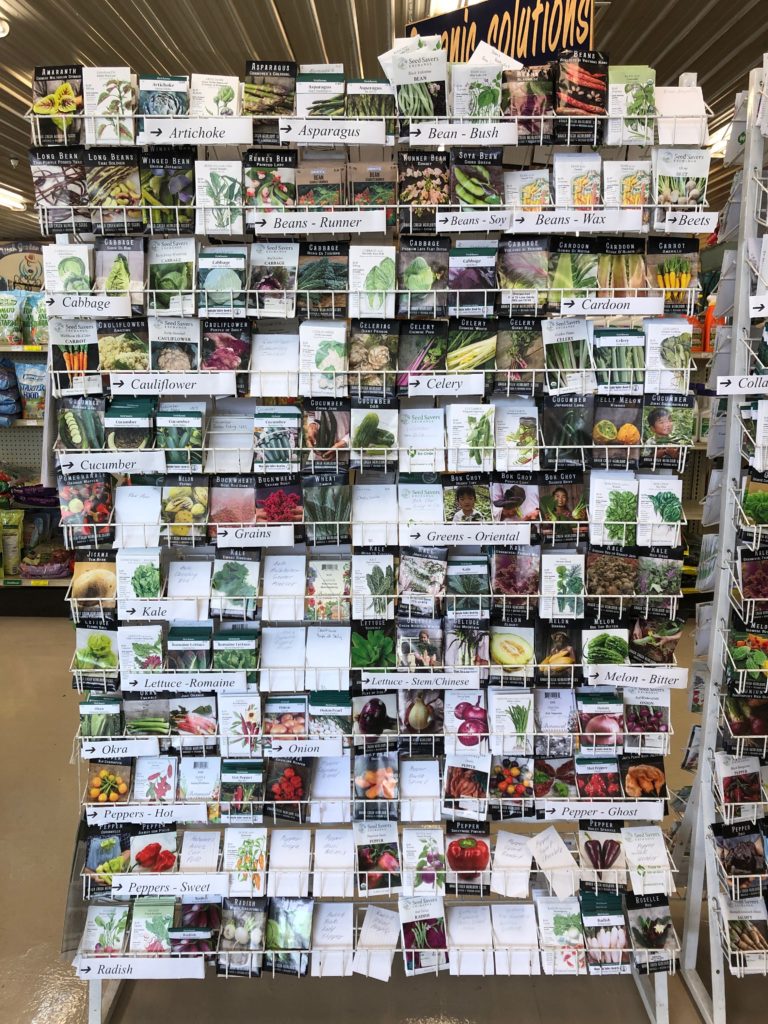
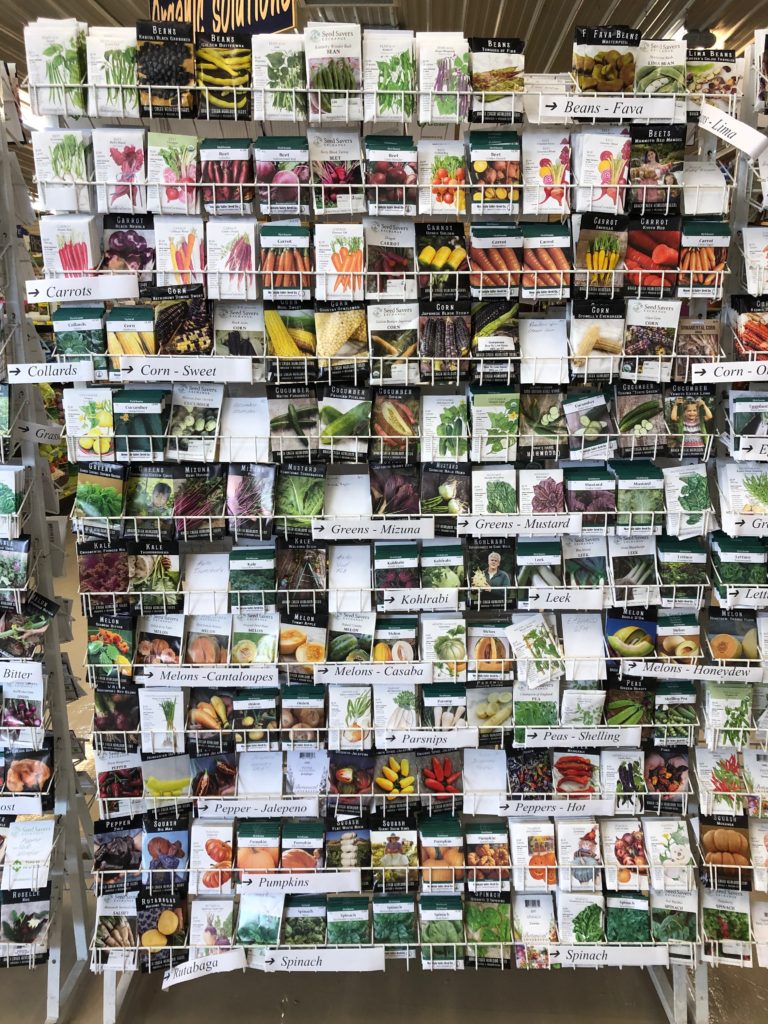
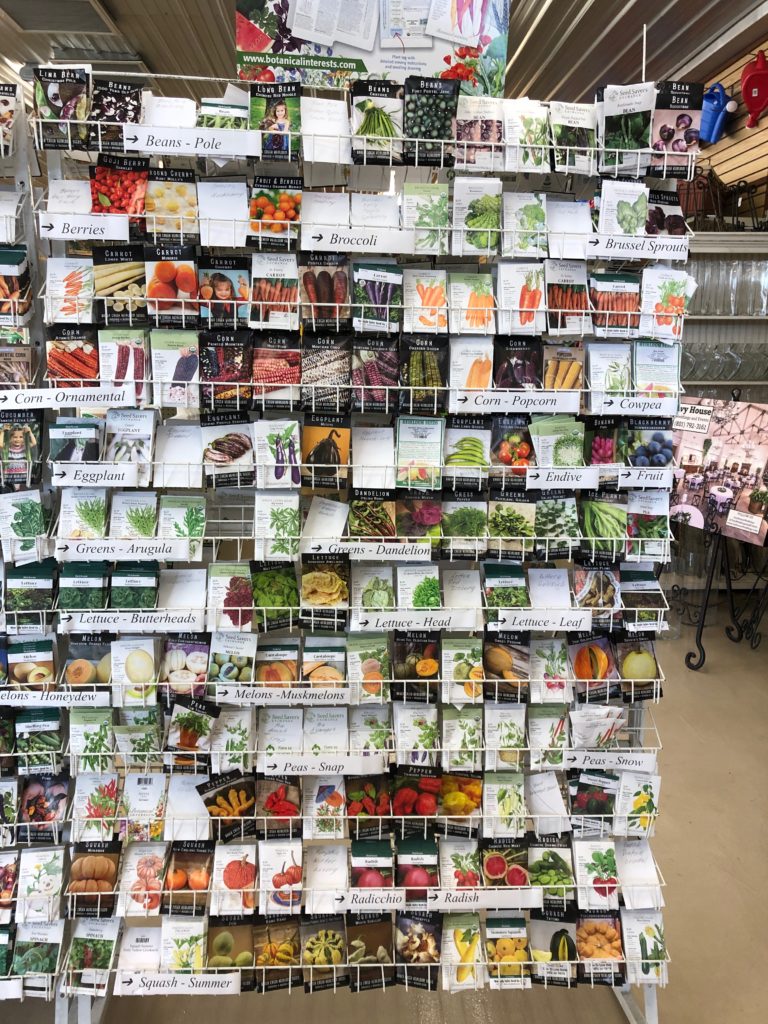
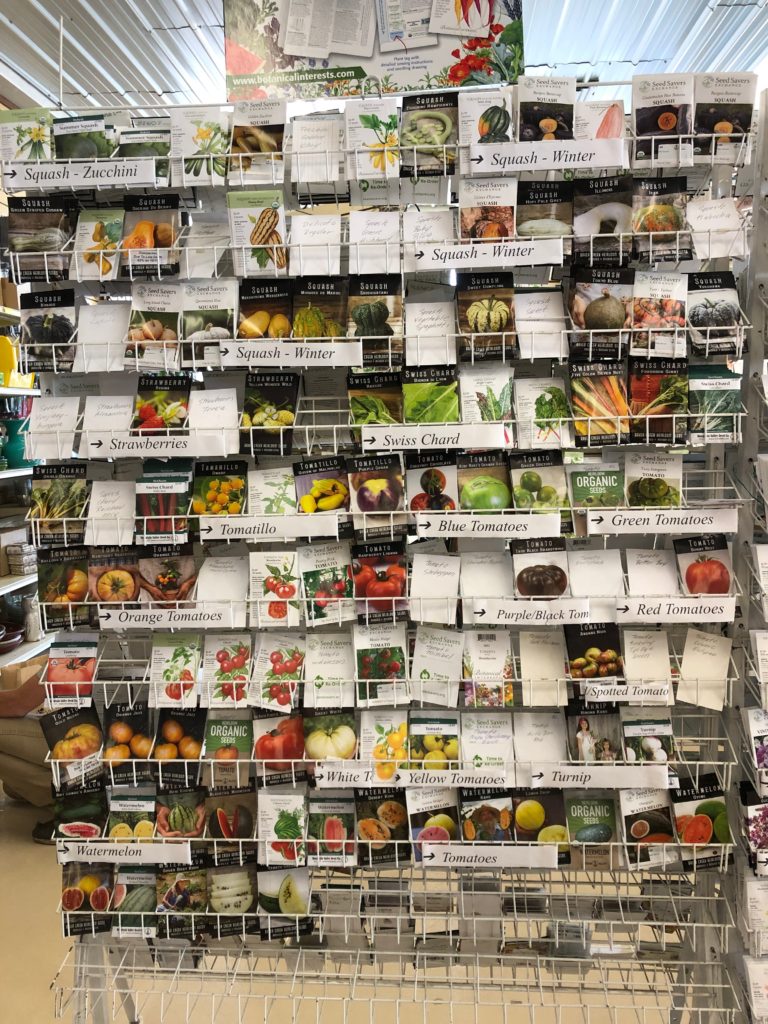
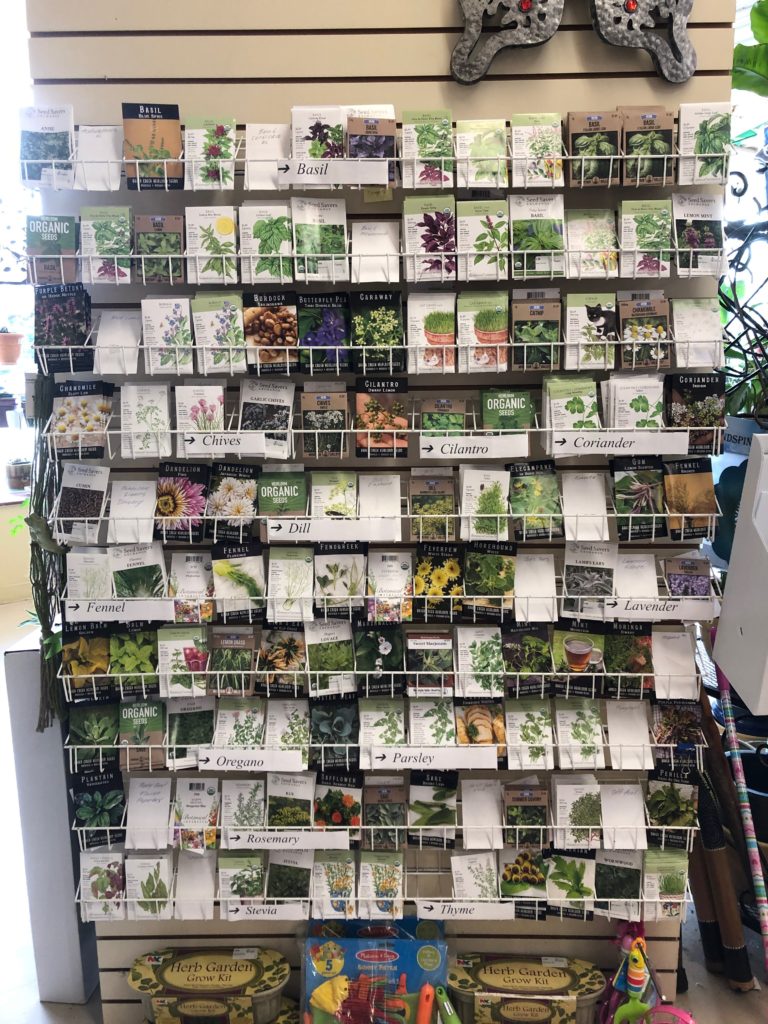
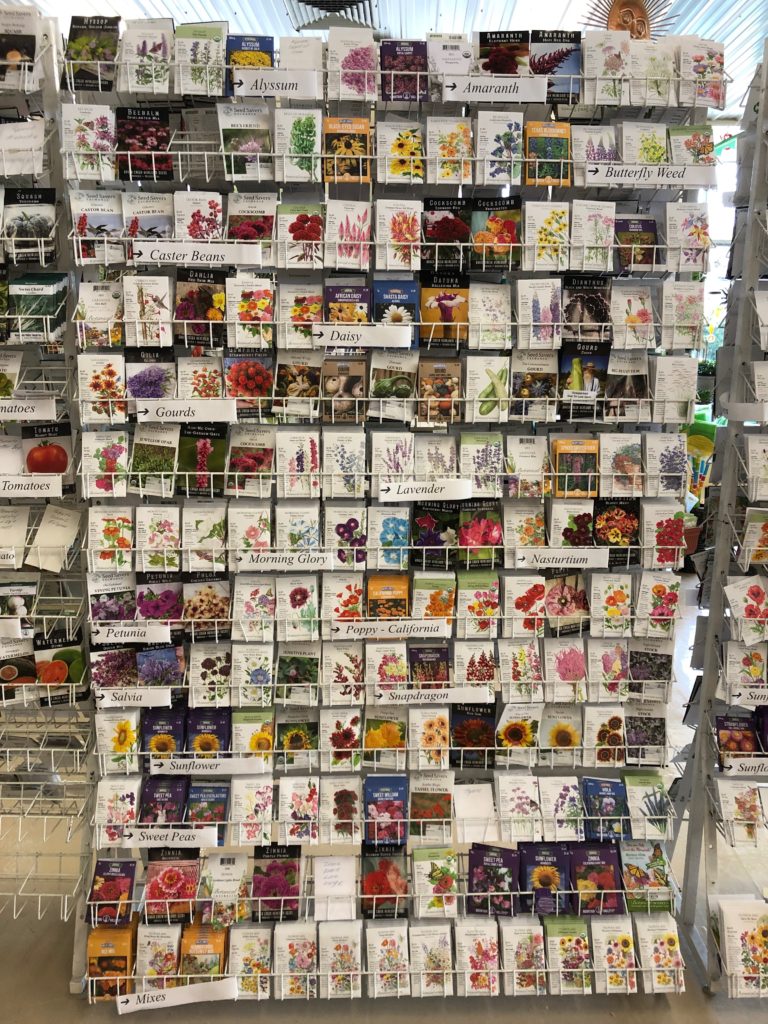
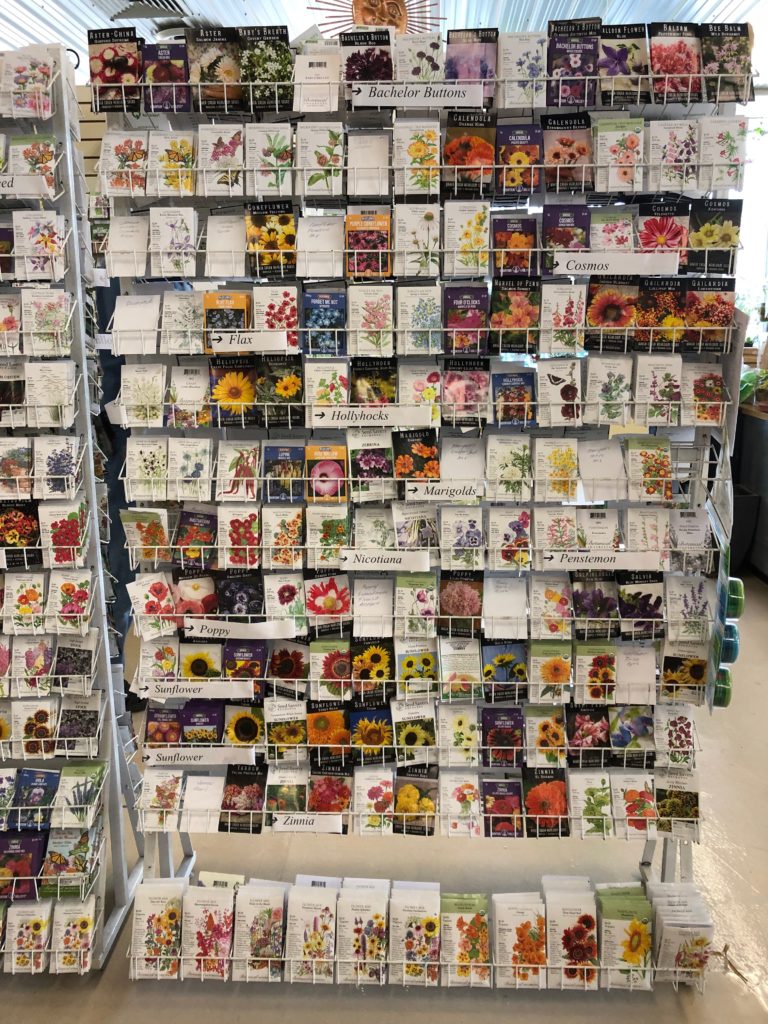
Several of our customers want to see what seeds we have available during this COVID-19 pandemic.  Since we currently and temporarily are only taking phone or email orders with curbside pickup, we are posting photos of the seeds we currently have inside the store.  Limited to supply on hand.  We apologize if these photos are difficult to see, but until we get some closer photos, these will have to do.  You may need to ZOOM in close to read the varieties.

Thank you again for supporting the small businesses in our community.  We appreciate you shopping at Western Gardens for quality products and services during this more than unusual spring.

ORGANIC SEEDS

organic vegetable seed packages at utah garden center

Organic Vegetable Seeds – soybean, beets, huckleberry, sunberry, broccoli, carrots, cauliflower, corn, collards, cucumber, greens, kale, melons, peas, peppers, gourd, and more.

organic vegetable seed packages for natural garden in Utah

Organic Seeds (minus the bottom 2 rows) – radish, squash, tomato, pepper, beans, corn, peas, spinach, and more.

VEGETABLE SEEDS

Utah vegetable seed packets

Vegetable Seeds – Artichoke, Asparagus, Bean, Beets, Cabbage, Cardoon, Cauliflower, Celery, Cucumber, Grains, Kale, Lettuce, Melon, Okra, Onion, Peppers, Radish, and more.

Vegetable seed packets from peas pumpkins leeks, beans, and more

Vegetable Seeds – Beans, Carrots, Collards, Corn, Greens, Melons, Peppers, Pumpkins, Rutabaga, Spinach, and more.seed packets of vegetables for gardening

Vegetable Seeds – Bean, Berries, Broccoli, Brussel sprouts, Corn, Cowpea, Eggplant, Endive, Greens, Lettuce, Melons, Peas, Radicchio, Radish, Pumpkins, Gourds, and more.Summer squash seeds for a vegetable garden

Vegetables – Squash-Zucchini, Winter squash, Strawberries, Swiss Chard, Tomatillo, Tomatoes, Watermelon, and more.

HERB SEEDS

seed packets of herbs for gardening

Herb Seeds – basil, chives, cilantro, coriander, dill, fennel, lavender, oregano, parsley, rosemary, stevia, thyme, and more.

FLOWER SEEDS

Flower seeds packets

Flower Seeds – Alyssum, Amaranth, Butterflyweed, Caster beans, Daisy, Gourds, Lavender, Nasturtium, Petunia, Morning Glory, Poppy, Salvia, Snapdragon, Sunflower, Sweet Peas, Mixes, and more.

Sunflower seeds and more

Flowers – Bachelor Buttons, Cosmos, Flax, Hollyhocks, Marigold, Nicotiana, Penstemon, Poppy, Sunflowers, Zinnia, and more.


Filed Under: Annuals, Covid-19 updates, Flowers, Fruit, Herbs, Perennials, Seeds, Tomatoes, Uncategorized, Utah Gardening, Vegetables, Veggie Gardening Tagged With: flower seeds, garden seeds, herb seeds, organic, organic seeds, packaged seed, seed packets, seeds, vegetable seeds

guide to low-maintenance indoor gardening

March 1, 2020 by Wendy Pettit

by Connie Pelton

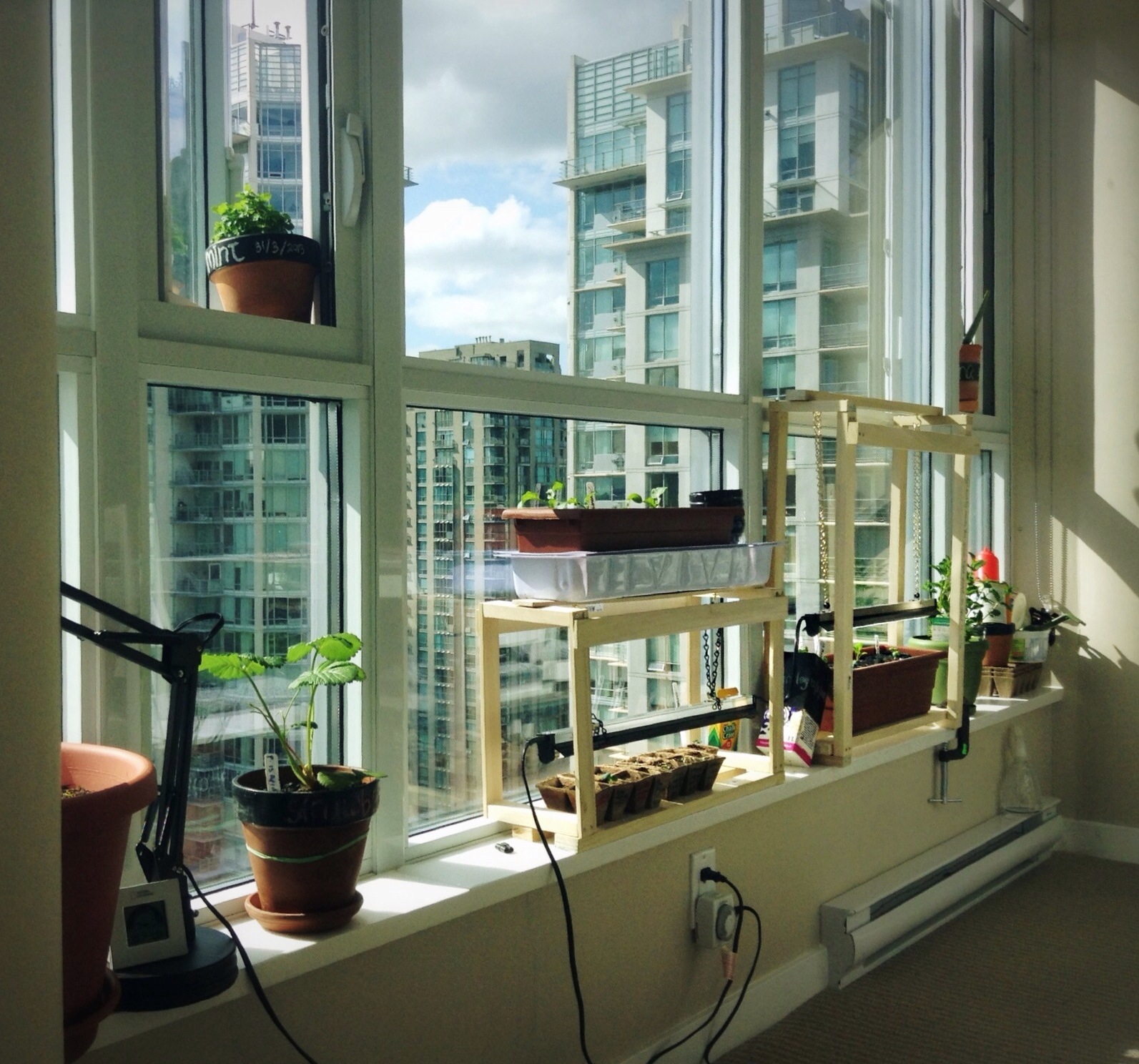
indoor gardening on windowsill

Photo by Flickr

Indoor gardening is a growing trend in more ways than one. Not only is gardening good therapy, but it also gives you the chance to eat food picked at its most flavorful. Not everyone has space or energy to maintain a traditional outdoor garden plot. If you want the satisfaction of growing your fruits and vegetables on a more manageable scale, indoor gardening is the solution. Here are our tips for creating an indoor garden that will produce plenty without the upkeep of an outdoor plot.

sunlight for the indoor garden

Photo by Piqsels

Let There Be Light

The biggest hurdle for indoor gardening is usually finding adequate light. Plants need sunlight to grow. If there’s insufficient light, nothing else you do will matter much. “Full sunlight” means six or more hours per day of direct sun. An enclosed patio or any space with lots of large picture windows is a perfect place for an indoor plot. A kitchen windowsill also works. If you aren’t sure whether a location receives enough sun, try tracking the amount of light it gets using photos.

indoor garden pests

Photo by Piqsels

Indoor Garden Pest Control

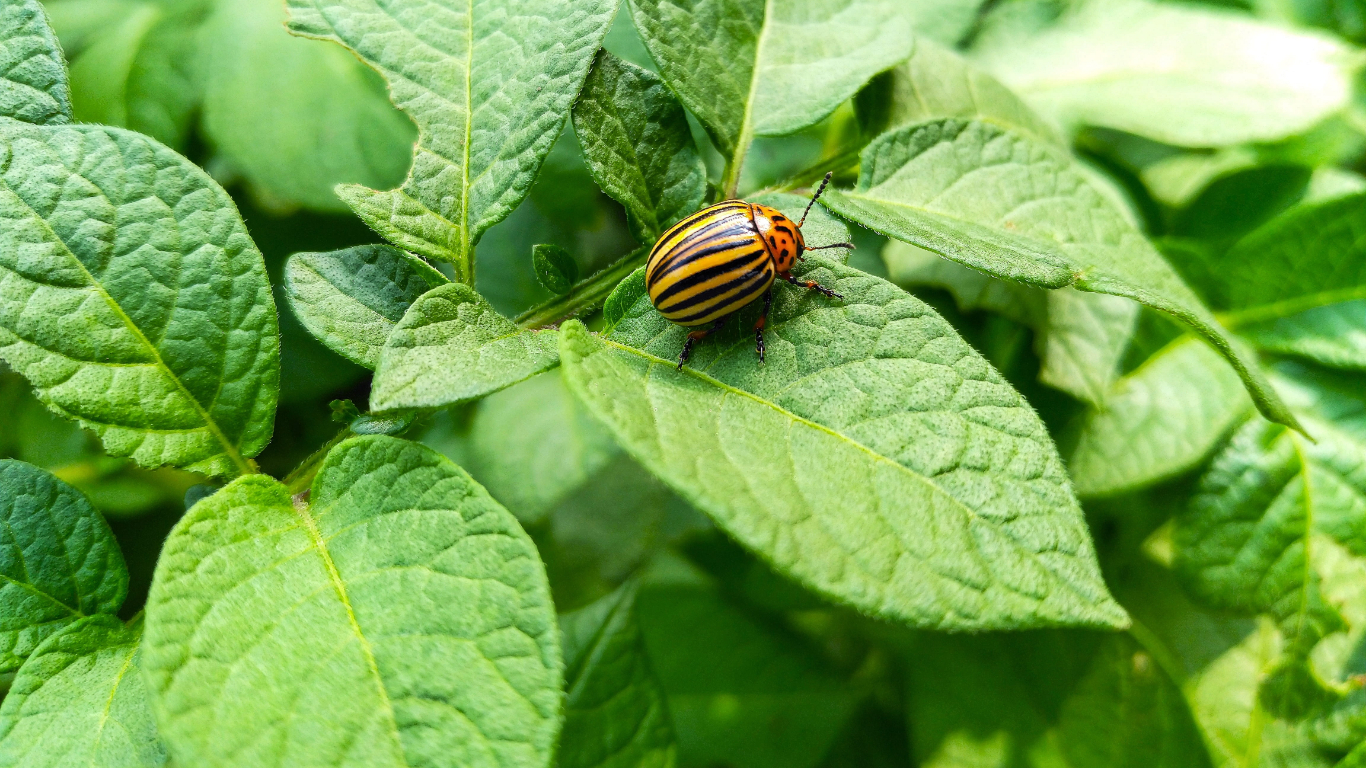
Bugs and gardens have a complicated relationship. Grubs, aphids, and larvae can wreak havoc on a garden. But bees and other pollinators provide a service that plants can’t live without. Since some garden visitors are beneficial, you need to avoid any pest control that kills the helpful along with the harmful.

Even though your garden is indoors, you still have to worry about pests. It’s true that you won’t find rabbits or deer munching on plants in your kitchen. But, some insects can still make their way into your house. Biological pest control efforts are ideal for indoor use. Nematodes and natural repellants can safely stop unwanted pests without risk to pets, kids, or the helpful insects you want to keep around.

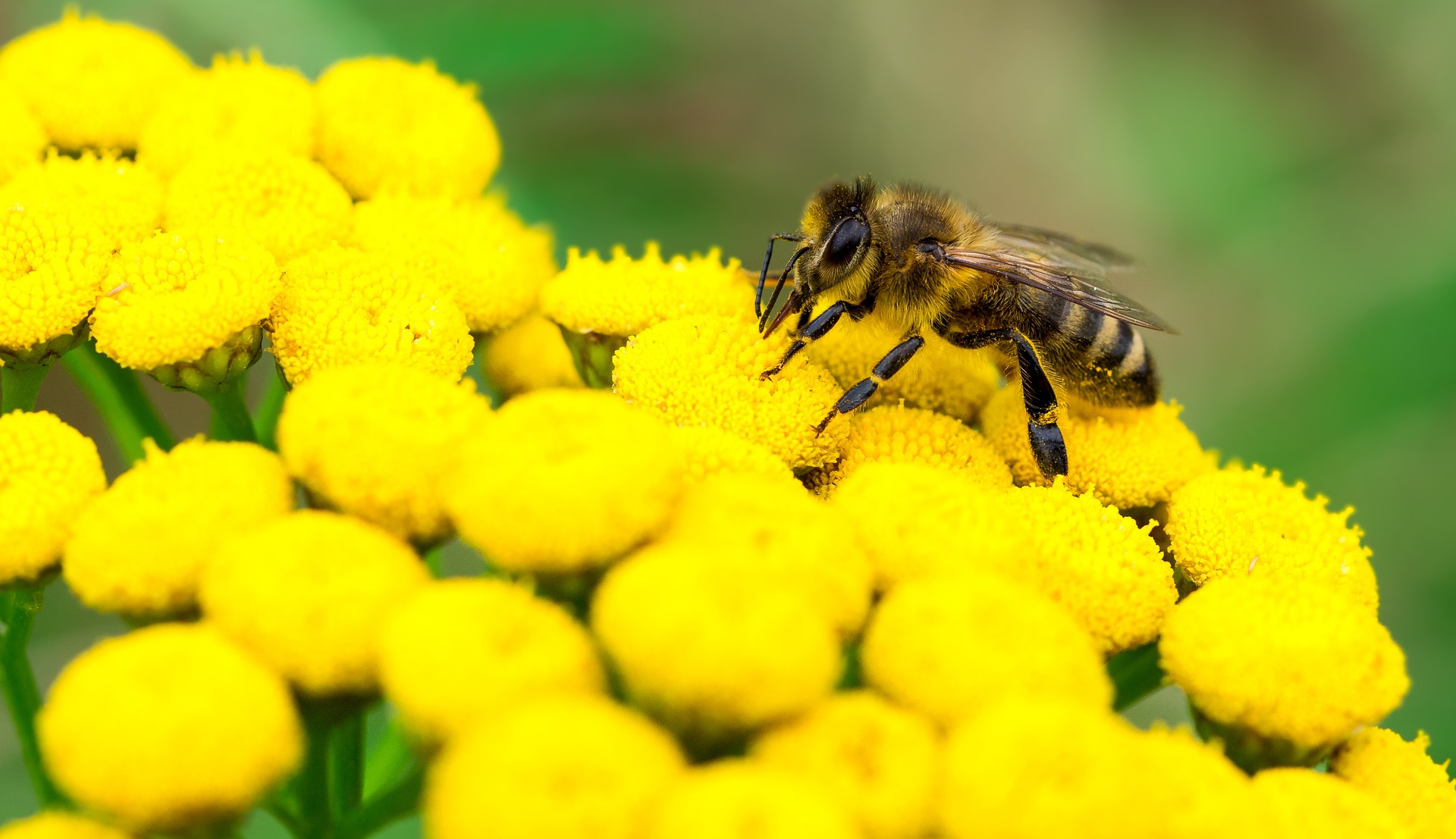
bee pollinating flowers

Photo by Pixabay

Paintbrush Pollination

While most common indoor plants will grow fine without pollination, some must be pollinated for them to produce food. Unless you’re willing and able to bring them outdoors and give them access to bees, you’ll have to pollinate them yourself. Paintbrush pollination is just what it sounds like. You rub the bristles of a tiny paintbrush around the inside of each blossom on your plants. Since indoor gardens are usually small, this is viable, though a tedious option.

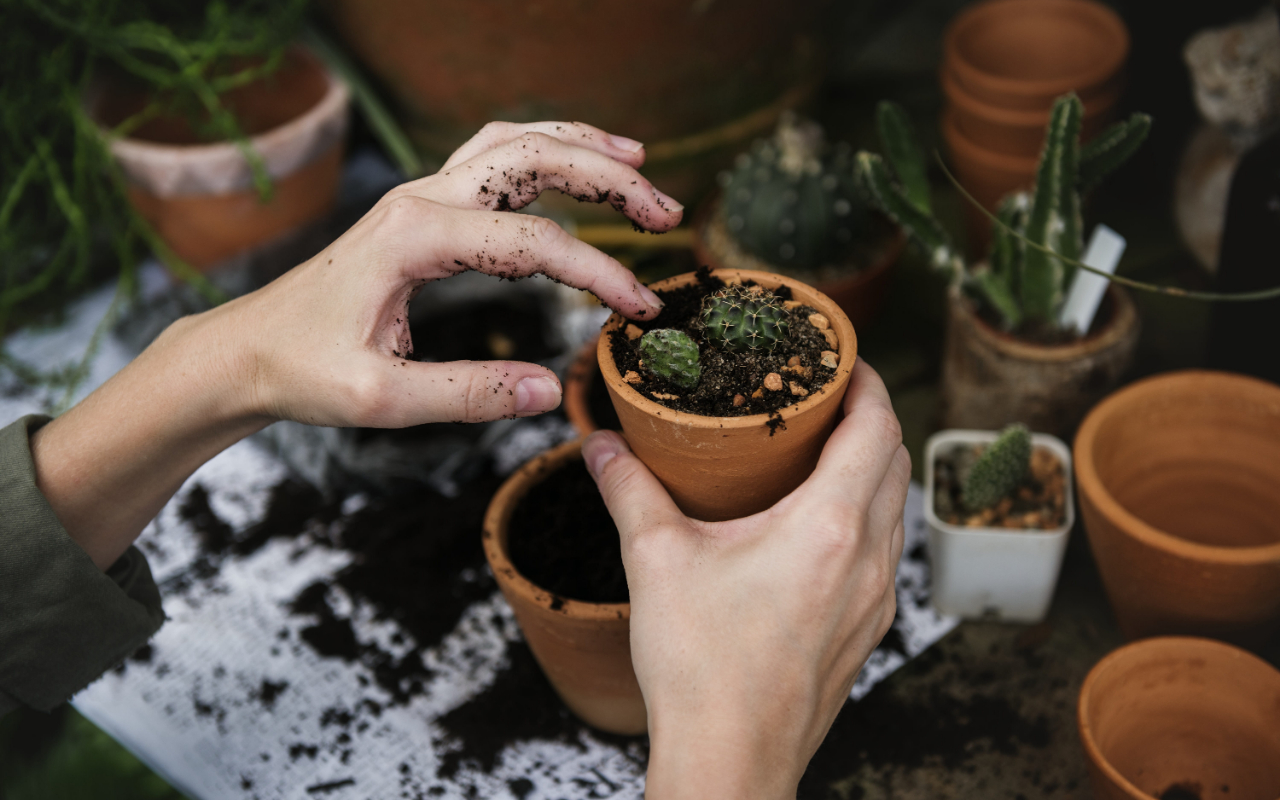
person planting a clay pot

Photo by Pikrepo

Water, Soil, and Fertilizer

One advantage of indoor gardening is that you can control your growing conditions. Unlike outdoor plots that are subject to wind, drought, and downpours, your indoor garden is only exposed to the things you choose. This means you can tailor the soil composition and watering schedule to individual species. 

You’ll want to use a potting mix rather than plain soil. The mix contains vermiculite or perlite, and some bark to provide your plants with better drainage. It’s less compact than outdoor dirt, giving your plants the air and moisture they need. With the right soil mix, you should only have to water your plants once a week. Additionally, you’ll want to use plant fertilizer, which depends on which type of plant you are growing.

About every seedling or seed packet you encounter has a small section on the label detailing the needs of the specific plant. One of the most useful things you can do to ensure a good harvest is to read these instructions. Most herbs, including parsley, sage, mint, and rosemary, are easy to grow and don’t take up much room. Plan early and follow the instructions as carefully as you can. That way, each species you grow is in the kind of soil it prefers and getting the amount of water it needs to thrive. Now, combine that with the right amount of sunlight. You’ll soon have an indoor garden you’ll want to show off to everyone who visits.

Connie Pelton is a retired teacher who spends most weekends gardening with her grandchildren. Together, they built and planted an indoor vertical garden wall taller than both of them.


Filed Under: Container Gardening, Gardening, Tips & How To's, Uncategorized, Utah Gardening Tagged With: indoor garden, indoor gardening, indoor herbs, organic pest controls, pest control, window boxes, windowsill garden

How to Plan a Vegetable Garden

February 13, 2020 by Wendy Pettit

by Kevin Jefferson

You’ve come to the right place to learn some important tips on how to plan a vegetable garden. Planting a vegetable garden might not be the easiest hobby in the world, but it’s definitely among the coolest ones. This is a way to do something good for your family and keep providing them with healthy veggies every single day, and that’s what we all want. But, planting a garden requires some planning and thinking things through, so here are a few tips that might help you do that more easily.  

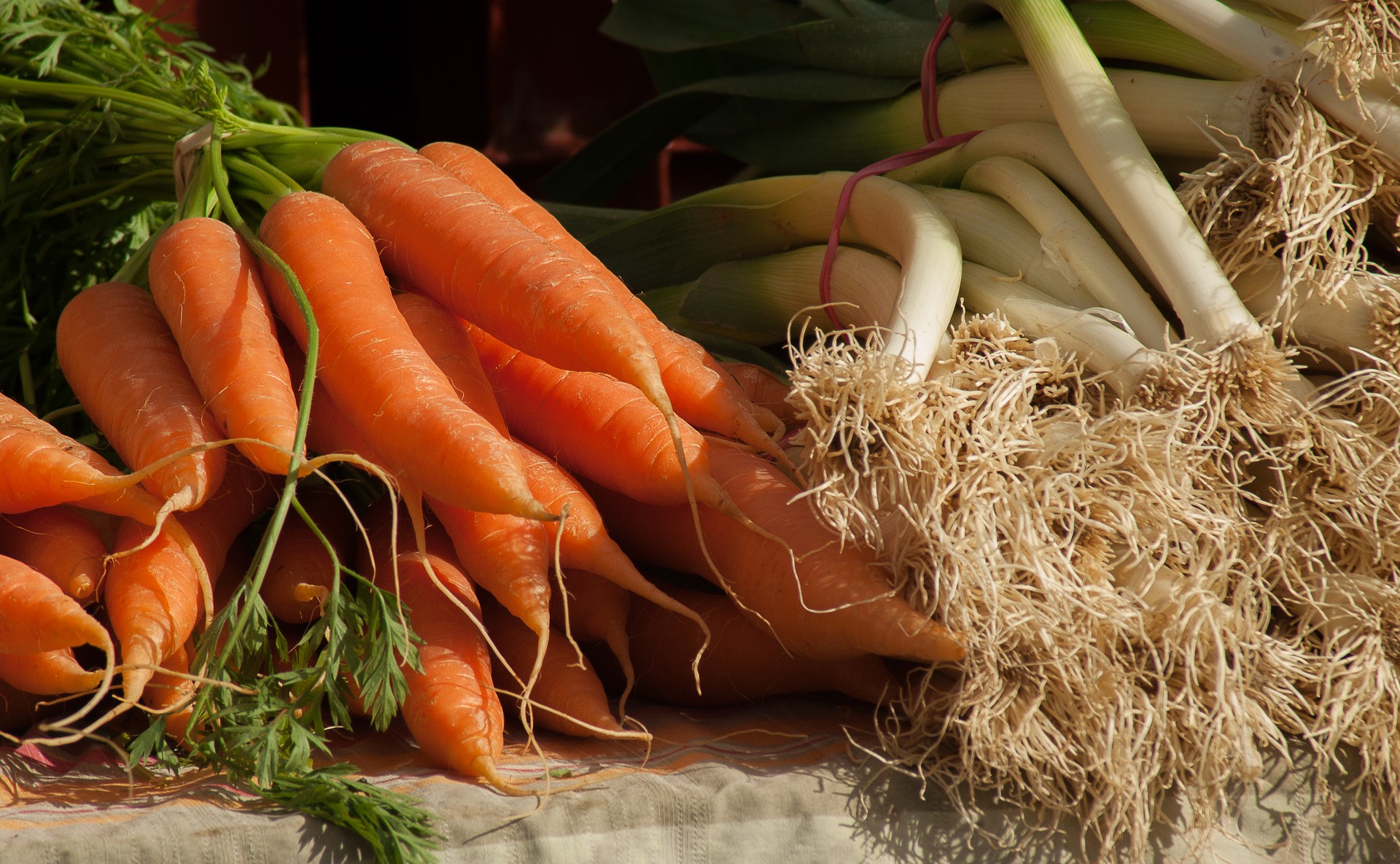
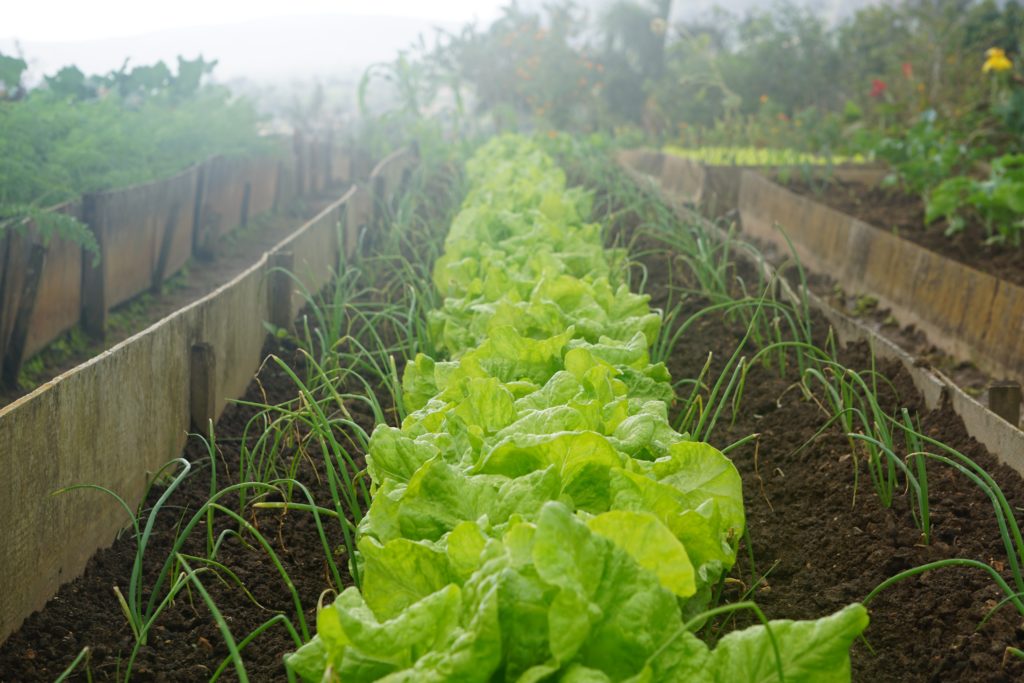
vegetable garden with carrots and green onion

Photo by Pixabay

Pick the Spot

There are lots of factors that will determine the success of your garden, and its location is one of the most important.  Living in a house with a yard makes your vegetable garden plan easier to formulate.  Find the sunniest part of your yard – front or back.  Partial shade is okay but you will have the most success if your plants can get 6-8 hours of direct sun. Look at all the possibilities.  You may have a corner you’re not using or a plot you could clear and turn it into a vegetable garden. 

To plan a vegetable garden when you may live in an apartment or a condo, can be more challenging.  However, many small apartment dwellers find success utilizing a sunny porch or balcony in their cozy space.  Planning the right plants for an apartment space is very important.  Your local garden center, like the well established Western Garden Centers in Utah, can give you suggestions that will do okay growing in a planter or large pot.  Not all plants like the confinement of a pot.

plan your vegetable garden, then dig in

Photo by Pixabay

Determine the Size

Bigger backyards will give your new garden more space, but don’t worry if you’re stuck with a tiny backyard – you can still make this work if you put your mind to it.  Even with a large yard, a designated 8 foot by 4 feet spot of earth, maybe the best for your first garden experience.  Four boards from the lumber yard, nailed together, and set on the ground may be the only size you can deal with at first.  Get your hands dirty and the next year, you’ll be eager to expand and try new plant material.  Again, don’t start with a massive vegetable garden if you’re doing this for the very first time.

Starting small and expanding your garden as you gain experience makes more sense in the long run. Pick a few low-maintenance plants to start with such as tomatoes, zucchini, and cucumbers.


Make it Visually Appealing

The main purpose of planting a vegetable garden is to give your family lots of healthy vegetables, but there are a few other benefits you should keep in mind. A nice tidy little garden will boost the value of your property and lots of greenery is great for making your backyard look more inviting. Plus, foliage helps keep a yard cooler in the summertime.  So visually appealing doubles for your little climate control.

Plant a variety of vegetables paying attention to their different shapes and sizes. Plant colorful flowers or herbs along with your vegetables to add interest and help attract beneficial insects too.

vegetable garden plan with lettuce and onion

Photo by UnSplash

Choose the Layout

Even though most people don’t think you need a particular plan when planting a veggie garden, this couldn’t be further from the truth. Unless you make a proper plan and know where everything is, your garden is going to be messy and cluttered, and that’s never good. Instead, work on your layout. Plan the vegetable garden with taller plants in the middle or all together and lower growing root vegetables on the outer edges. For example, a row of carrots between zucchini plants or cabbage heads will make it difficult to work those carrots. Be sure to determine your planting zone. Choosing the proper plants for your climate area will determine your garden’s future success.  Visit a reputable local garden center like Western Gardens.  They won’t try to sell you plants that will not do well in your area.  They also will direct you how to protect certain seedlings from unpredictable early frost we often experience along Utah’s Wasatch Mountains.


As outlined above, the effort you do to first plan your vegetable garden, you will find more success.  Now it’s time to prepare your soil, plant it, care for it, and soon you will harvest the many fruits of your labor.  It’s really not that difficult, but it brings great satisfaction to you and your family’s life.  Therefore start small and simple, define every task to be accomplished, and then stick to your plan every step of the way. Your garden center experts would love to help you find success!  Remember that success doesn’t come overnight with a garden; so stay patient, stay focused, and stay dedicated to your vegetable garden.  Before you know it, you’ll be picking and munching on those delicious fresh vegetables!


how to plan a vegetable garden

About the Author

Kevin has gone through an extensive home renovation with his son, which he has both thoroughly enjoyed, and dreaded every morning. He is now the proud owner of half his dream house (the other half has been waiting for spring). You can read more of Kevin’s work on PlainHelp.

Filed Under: Gardening, How To, Utah Gardening, Vegetables, Veggie Gardening Tagged With: plan a garden, plan a vegetable garden, planting a garden, vegetable garden, vegetables

Tips for Gardening in Small Spaces

February 5, 2020 by Wendy Pettit

by Rachael Elizabeth

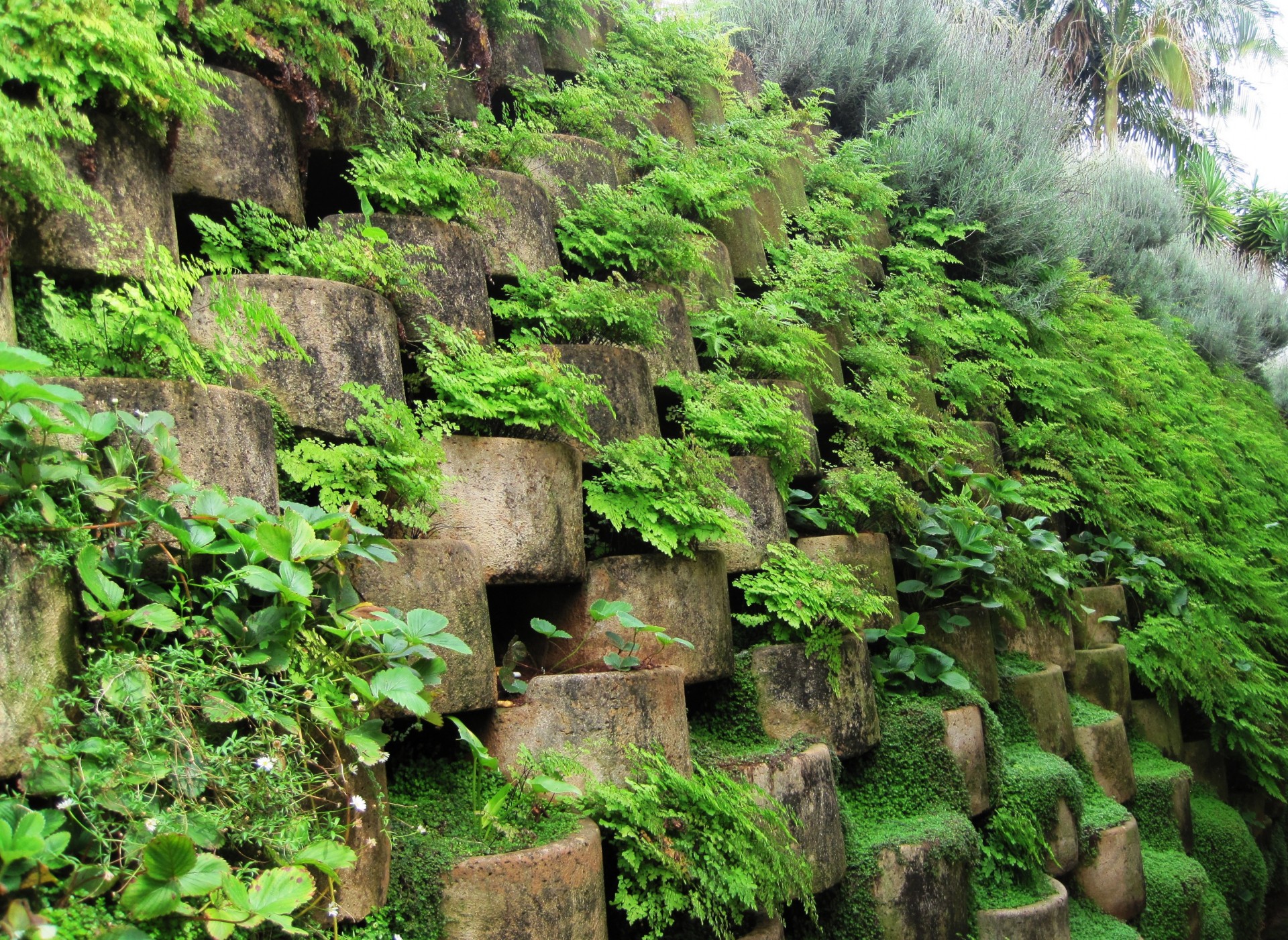
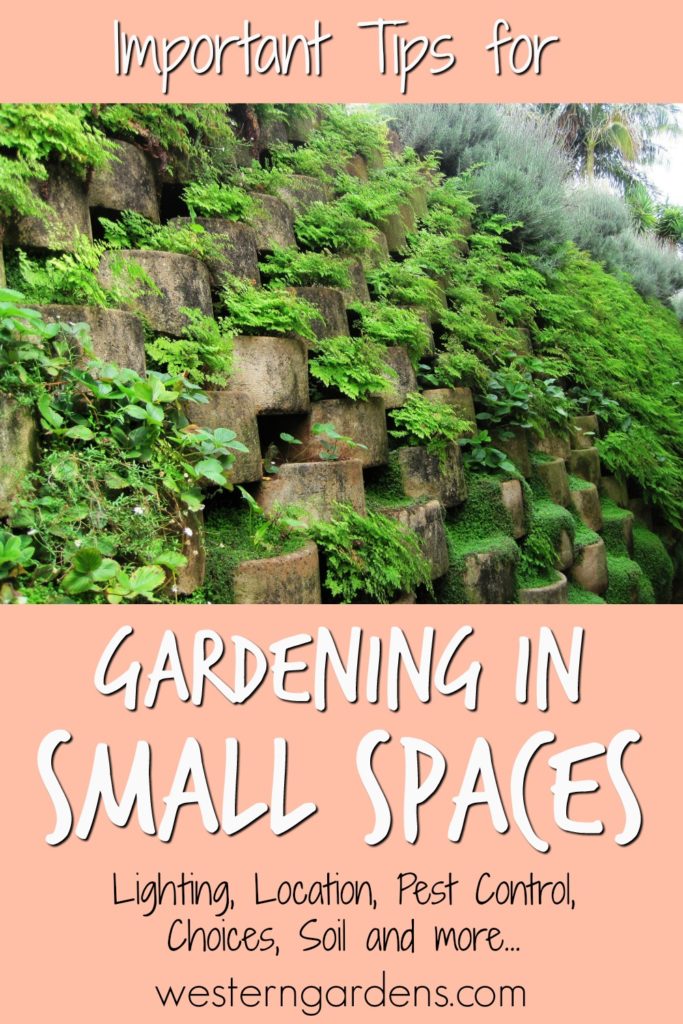
Wall step gardening for small utah gardens

Photo from Needpix

There’s nothing like picking a ripe, red tomato from the vine and popping it in your mouth … yum! Garden-fresh vegetables are a treat, especially when you grow them yourself. You don’t need a large plot of land or lots of tools to spread your seeds. You can do your gardening in small spaces.  Plant Utah flower and veggie gardens in small nooks or pottery — as long as they receive direct sunlight for most of the day.

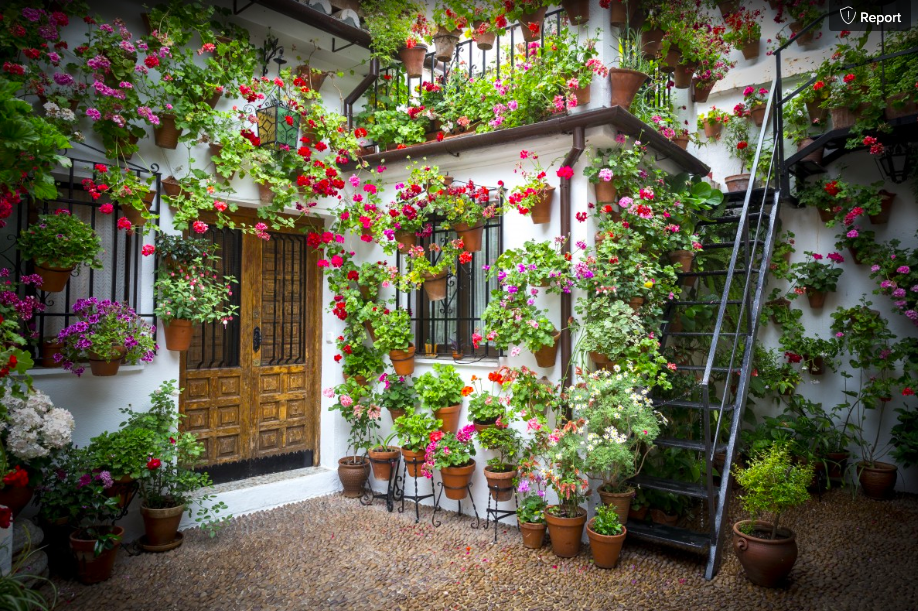
gardening in small spaces with geraniums on wall

Photo from PxHere

Light in Small Gardens

When it comes to plants, “full sunlight” is defined as six or more hours of direct sunshine per day. Before choosing varieties for your garden, you’ll first want to assess the growing space for light. Light-measuring instruments are available, but you can do this yourself by drawing a diagram of the plot. Upon each hour beginning at 7 a.m., jot down on paper, or use your smartphone’s camera to record which areas have sun or shade. Remember that each hour, the angle of the sun determines the direction of light, and it changes as summer begins to fade into fall.

Soil

Now that you know how much sunlight your garden space receives, all you need is soil, seeds (or seedlings) and water. Garden soil in Utah should be well-draining, loose, fertile, and have a pH balance between 6.0 and 8.4. Decaying organic matter in the soil helps plants absorb natural nutrients for feeding. Test the soil and then amend it as necessary with products from your local nursery.

Small Garden Choices

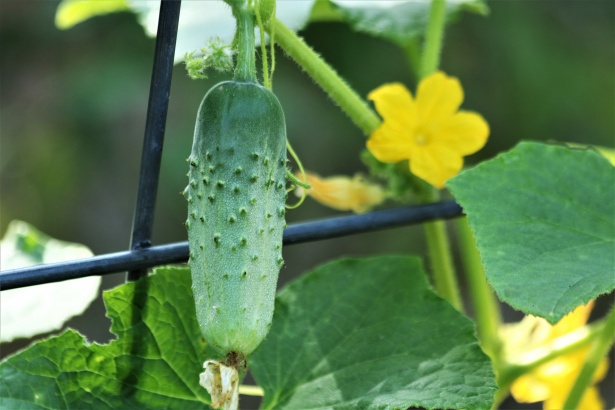
Cucumber on vine in vertical garden

Photo from PublicDomainPhotos

Gardening in small spaces means choosing varieties of flowers, fruits, and vegetables that don’t spread sideways.
Tomatoes, eggplant, zucchini, and lettuce don’t take a lot of space in gardens, and you can plant these vegetables in containers. If you like cucumbers, there are two kinds; vining and bush. Vine cucumber plants will spread; crawling along the ground or climbing trellises. Bush cucumber plants are more compact and better suited for containers and small gardens.
Creative Small Gardening Locations

Why limit yourself to the backyard? Plant your small garden along the driveway; in some old, rehabilitated wall shutters; on a vertical tower; on a flat rooftop; — even on a bird feeder! Anywhere you can place a soil bed that’s in direct sunlight can be a garden. Window boxes, trellises, arbors, potted patio umbrella stands, and framed boxes are just a few ideas to bring your garden to life.

Little Patio Gardens

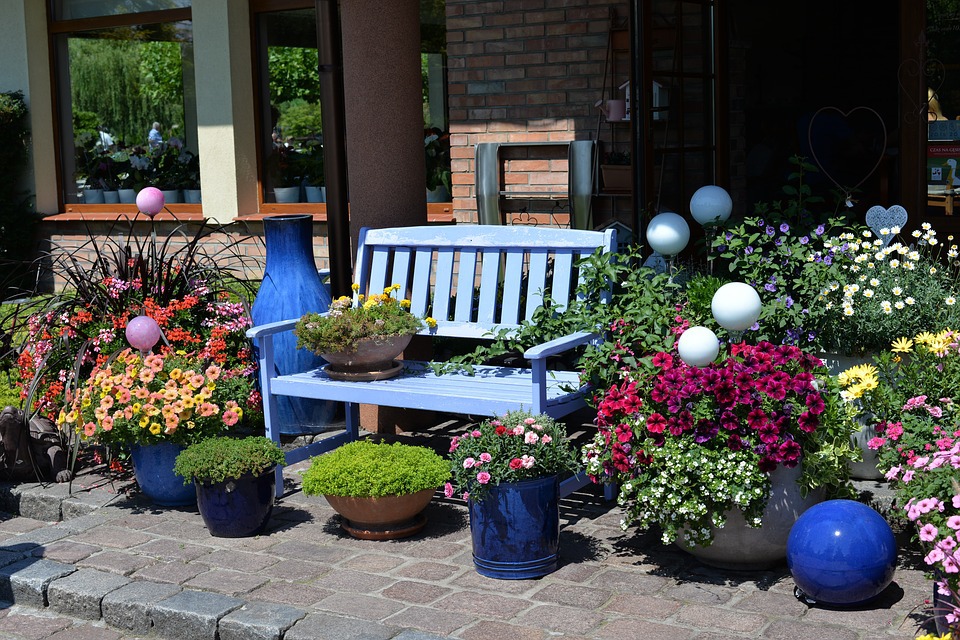
small patio garden for Utah

Photo from Pixabay

Large containers are just as effective as dirt bed gardens, as long as there’s enough sunlight and water available. A mini-garden won’t be overflowing with veggies but, there will be enough for snacks and to add to salads. Beans, tomatoes, peppers, kale, and herbs are perfect for growing in containers. Flowers are also great. Choose some of Utah’s favorites: showy goldeneye, hummingbird, golden currant, or curlycup gumweed.

Pest Control When Gardening in Small Spaces

Much like your Utah lawn, small-space gardens benefit from natural products and predators to control pests. Beneficial nematodes are micro-organisms that feed on grubs and larvae — those tiny worms that eat plant roots. These beneficial nematodes feed on more than 200 species of insects, but they don’t damage plants or roots, and they are not harmful to people or animals.

Slugs and snails are garden-loving pests that enjoy chewing on lettuce, cabbage, strawberries, and other leafy plants, but “normal” pesticides usually don’t work on snails and slugs.  Therefore, you have to get creative.

A beer trap is just what it sounds like — snails and slugs like to belly up to the bar. Fill a small, flat container with beer but don’t let the liquid spill into the soil. Slugs and snails are attracted to the beer, go for a sip, and then fall in and drown. Place a beer trap every 3 feet or so in the garden for this method to be effective.

When gardening in small spaces, don’t forget that natural predators such as those microscopic nematodes will destroy slugs and snails in their early stages. Birds eat them, too!

Gardening space is all relative.  You don’t need more than a few basic tools and a little bit of space to experience the wonderful benefits of gardening.  Make the most of your limited growing area with color, scent, and taste. That small space is waiting for your green thumb!

tips for gardening in small spaces

About the Author

Rachael Elizabeth is a gardening guru and writer. She takes pride tending to her small space garden that is constantly flourishing with fresh herbs and florals. When she’s not practicing her green thumb she can be found exploring nature on a hike or swimming in the lake.

Filed Under: Container Gardening, Flowers, Gardening, How To, Outdoors, Utah Gardening, Veggie Gardening Tagged With: gardening in small spaces, small gardens, small space garden, small utah gardens, vertical gardening

Get Better Sleep with Houseplants

October 4, 2019 by Wendy Pettit


Utah gardeners enjoy breath the “fresh air” in the yard and watching nature in the garden or patio. We find it adds to a healthy living. But have you thought about the 6-8 hours that pass in the night? Can we get better sleep with plants in our bedrooms? The answer is yes!

I used to think that the mattress, the sheets, and pillow I used was what affected my sleep. I later learned that room temperature and personal stress are also factors to the quality of my sleep. But now I consider another one, plants!


Have you ever linked the tradition of taking a flowering plant to a hospital patient in  recovery? Now I understand why. Flowering plants have significant benefits for patients. If it can help patients with their recovery, then logically, and biologically, placing plants in your bedroom can make a difference.

Houseplant Studies

Many comprehensive studies have been conducted by NASA and others to explore this phenomenon. Scientists have discovered individual plants can clean the air more than others. Some plants help people sleep longer, and different plants are better at cleaning certain toxins from the air. Toxins like formaldehyde and carbon monoxide. For example, one “study suggests Gardenia is as effective as valium.”

I read several articles about getting better sleep, including 10 Plants That’ll Help You Sleep Better by Martha Stewart, 7 Bedroom Plants that Improve Your Sleep, and my favorite article on the topic – 10 Plants that Help Sleep by Tuck. Tuck is a very comprehensive resource on sleep. They are worth the read. The articles discuss the qualities of several houseplants and how they can influence your rest. Did you know that English Ivy is known to help with sleep apnea or reduce allergens like airborne mold! Some of the tests could be great science projects for young ones.


Care and Access to Houseplants

Most of these houseplants are easy to care for inside a home or apartment. Of course, remember the general rule of the Finger Tester.  Water your plant when you can stick your finger in the soil and it comes out dry.  Over watering is often the culprit for disaster. Find houseplants for sleeping at your local garden center like Western Gardens. They have a fantastic selection of these and other houseplants.  

Better Sleep is Around Corner 

We gardeners realize the immense satisfaction of getting our hands dirty to create a piece of heaven to view or taste the fresh grown foods all summer.  That endorphin created with labor are real and do help us be more healthy.  Therefore, this fall, while you are putting your Utah garden to bed, consider what you can bring into your bedroom to help with your winter sleeping hours! Outdoor gardens and indoor houseplants truly can be medicine for the soul and body all year round.

Recommendations of Houseplants for Better Sleep


TipsBulletin.com has another list of wonderful hanging houseplants.

Filed Under: Container Gardening, health, Utah Gardening Tagged With: allergens, better sleep, gardening health, healthy gardening, house plants, mold, sleep, utah gardeners, Utah gardening

  • Go to page 1
  • Go to page 2
  • Go to page 3
  • Interim pages omitted …
  • Go to page 5
  • Go to Next Page »

Primary Sidebar

Shopping Cart

Items in Your Cart

Your cart is empty
Visit The Shop

Follow Western Gardens

  • Facebook
  • Instagram
  • Pinterest
  • YouTube

See what we’ve been pinning!

Follow Me on Pinterest
Followed by people.
?

Pinterest Badge by Skipser

Here’s What We’ve Been Up To!

Save water and money by Turf Training - train your lawn to grow deep roots
work at western gardens utah garden center
Senior gardening woman Edu Carvalho from Pexels
A Utah Guide to Vertical Gardening in square shape

Copyright © 2026. Western Gardens - Privacy Policy