• Skip to primary navigation
  • Skip to main content
  • Skip to primary sidebar

Western Garden Centers

for what grows here

  • Home
  • How To
  • Gift Cards
  • Calculate Mulch
  • Locations
    • Store Hours
    • About
    • Garden Shop Employment Team
  • Weddings
    • Salt Lake City, UT
    • West Valley, UT
  • Blog
    • Gardening
    • Recipes

Vegetables

Best Plants for Seniors – Beginner Gardening

June 29, 2020 by Wendy Pettit

Senior gardening woman Edu Carvalho from Pexels

by Danielle K. Roberts

Spring has rolled in, which means it is time to get your garden ready! Doctors and psychologists have stated that gardening can have significant health effects on a person’s mind and body. There are many health benefits for senior citizens who plant gardens, such as managing your stress levels and creating a positive mindset. Gardening in retirement can also help build up your physical strength that can also improve your motor functioning. When creating an outdoor garden or a flower pot garden, some plants are easier for beginners.  Read on to learn what we think are great plants for seniors, just starting with gardening.  Enjoy our excellent planting guide for Utah vegetable gardens.  Even if you missed the first planting in spring, a second planting guide is included!  
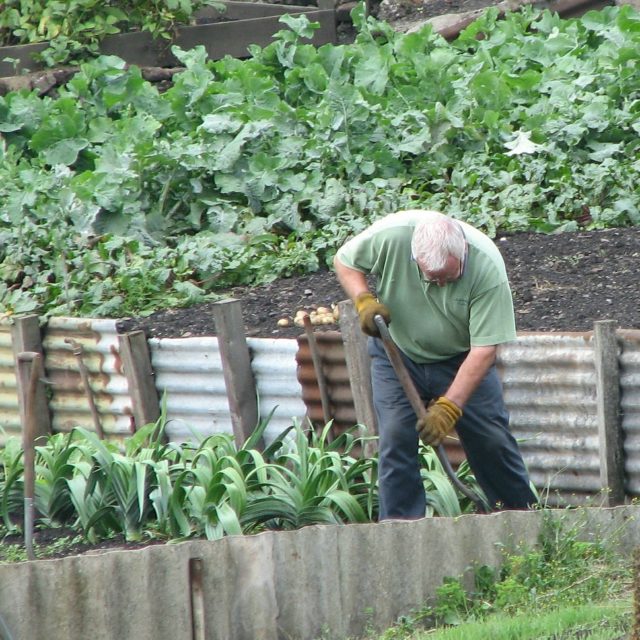
senior man in garden

Photo Credit: AKA Ralph at Pixabay

VEGETABLE GARDEN FOR SENIORS

Growing your vegetation is a great hobby and can be cost-effective in the long run. If you have never tried homegrown vegetables, then your taste buds have a lot coming! While picking out which type of vegetables you would like to plant and grow in your garden, remember that you only want to plant vegetables that you will eat. Do not plant squash if you do not like to eat squash!

Certain vegetables are known for beginner gardeners that are easy to keep alive and maintain.

Cucumber

Cucumbers are a natural vegetable to grow and do not require a lot of maintenance. Whether you choose to plant cucumbers in the ground or a container, you will want to ensure that the soil will drain well. Cucumbers are a vine plant, so keep in mind while planting that the vine will need a place to climb.

Lettuce

Lettuce is a great beginner vegetable to plant because it grows at a fast rate; therefore, you can see results quickly! When planting lettuce, make sure that it receives enough water and that it is in a shaded area during the summertime.

Old woman gardening Piqsels

Photo Credit: Piqsels

Green Beans

Whether you want to plant pole beans or bush beans, both are low maintenance that can grow well with just water. The difference in planting the two types of beans is the amount of room they both need. If you decide to plant a pole bean, you will need to invest in a trellis on which to grow the beans. If you would like to plant a bush bean, you will need about two feet of room for it to grow (but no individual support is required.)
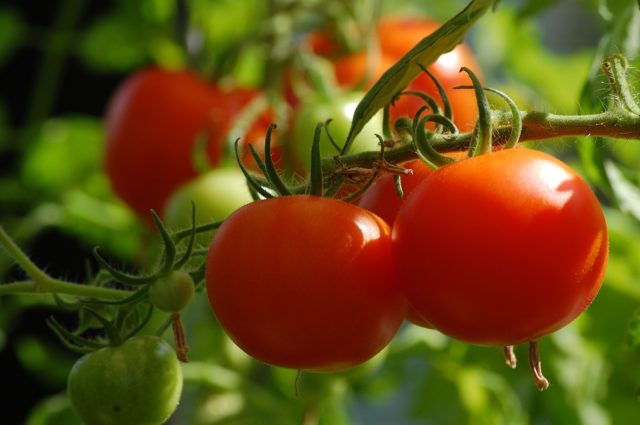
tomatoes on vine

Photo: Pixabay

Tomato

The most popular vegetable (or fruit) to grow! There is a wide variety of tomatoes that you can grow, such as grape tomatoes or heirloom tomatoes. The key to growing fresh tomatoes is by watering them in the morning, provide lots of sunlight, and not overcrowd them while they develop.

Click here to read up on five green veggies for a fall garden.  Or view a good list of warm versus cool-season vegetables.
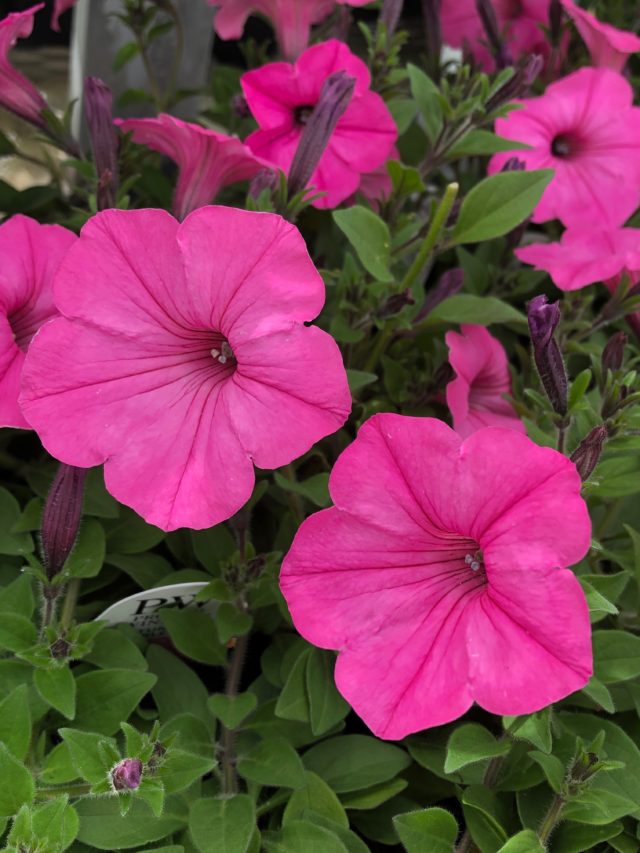
pink petunias in utah garden

FLOWER GARDENS FOR SENIORS

Having a flower garden will bring bright, vibrant colors for you and your neighbors to gawk at. When having a flower garden outside your home, you can create an aesthetic appeal to your property. Caring for certain flowers can be difficult, as most flowers are very delicate. You will want to steer clear of exotic flowers, considering that they have special requirements for the up-keep and require a lot of attention. With that said, there are certain species of flowers that are perfect for beginner gardeners. 
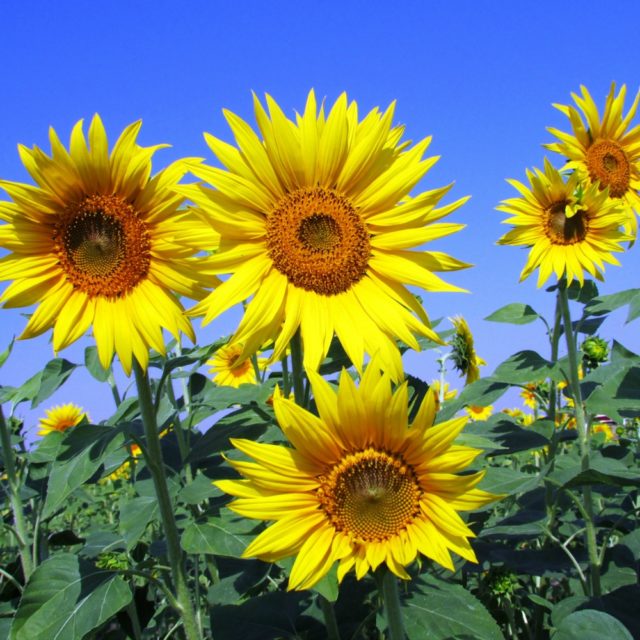
sunflowers in utah garden

Photo Credit: by Vijayana Rasimha at Pixabay

Sunflowers

There is a minimum up-keep when planting and growing sunflowers. The sunflower seeds are large, which makes them easy to handle. After planting the seeds, you will need to water them consistently for 20 days. During the sunflowers growing season, you will want to fertilize the sunflowers with a water-soluble fertilizer.

elderly woman in flowers

Photo Credit: Edu Carvalho at Pexels

Zinnias

Zinnias resemble flowers like daisies and dahlias. But, do not be fooled – this unique flower comes in a variety of colors (except blue) and different heights. Zinnias will need space in the garden bed and lots of sunlight to fulfill their full potential.
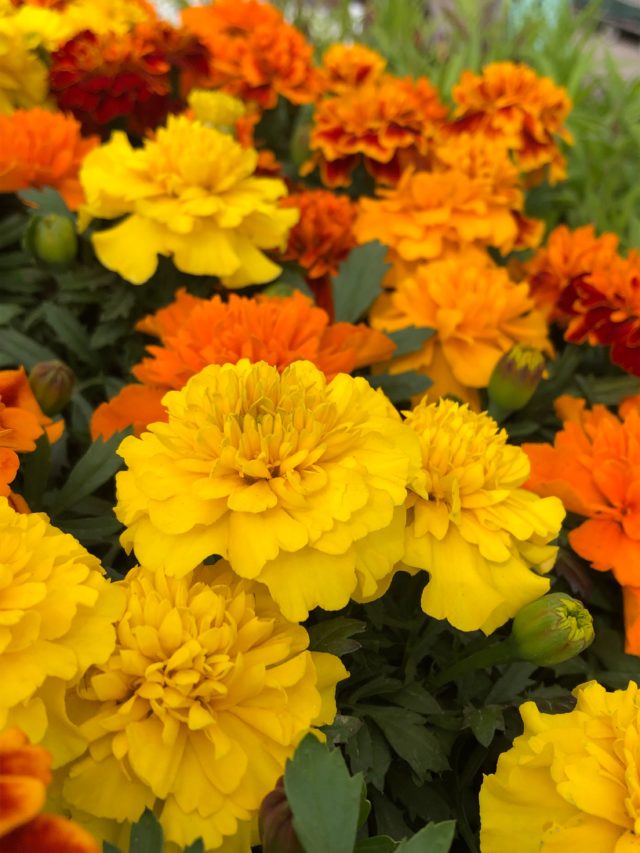
marigolds yellow and orange in utah garden

Marigolds

Marigolds thrive in the summer sun, and their colors can range from yellow, red, and gold. Whether you choose an American or African marigold, they can grow up to be five feet tall, but here in Utah, you will find shorter varieties of all kinds. When watering, you will want to allow the soil to dry between each time you water them.
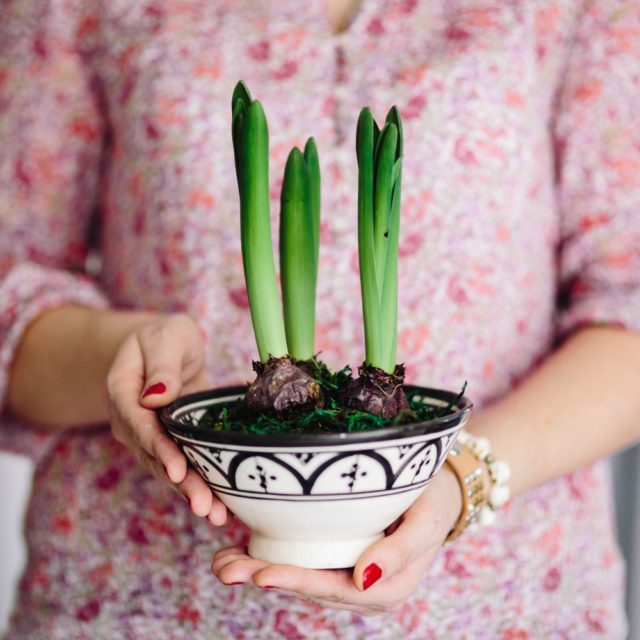
woman hold bowl of bulbs

Photo Credit: Sjozb at Piqsels

Daffodil Bulbs

You can plant daffodil bulbs in the spring or fall, and they will burst with intense colors and bloom like no other plant. Daffodils also produce a great fragrance to where you will watch yourself gravitating to them each time. Daffodils require lots of water, so as soon as they are planted, you will want to water them immediately. Once they start to bloom, you can put a halt to watering them. Don’t limit yourself to daffodils.  There are gladiolas, calla lilies, tulips, crocus, hyacinths, and more.

To Sum it Up

You are never too old to plant a garden of sorts. Planting your garden can bring stimulation to the mind in many ways. Creating and maintaining a garden, even a small garden, is a great hobby for any age, and it will also keep you present in the day with a special award at the end.

senior woman in garden

Photo Credit: Anna Auza from Unsplash
Filed Under: Flowers, Gardening, health, Utah Gardening, Vegetables Tagged With: beginner gardening, best plants, cucumbers, flowers, marigolds, senior gardening, sunflowers, Utah gardening, vegetables

A Planting Guide for Utah Vegetables

April 9, 2020 by Wendy Pettit


Here is one of our most popular handouts about Utah Vegetables and when to plant them and what to expect.  I often ask myself, “Is it too early to plant these?” or “How long before I can harvest?”  This two-page handout will help with a lot of those Utah vegetable garden questions.

Since we are so eager for you to find success, we would hope that you would return the favor and support us for our success as well.  We love this community and want everyone to find great satisfaction in doing what we love to do.

Click HERE to view and download our Planting Guide for Utah Vegetables


Filed Under: Gardening, How To, Utah Gardening, Vegetables, Veggie Gardening Tagged With: plant vegetables, planting guide, planting guide utah, utah gardens, utah vegetables, when to plant

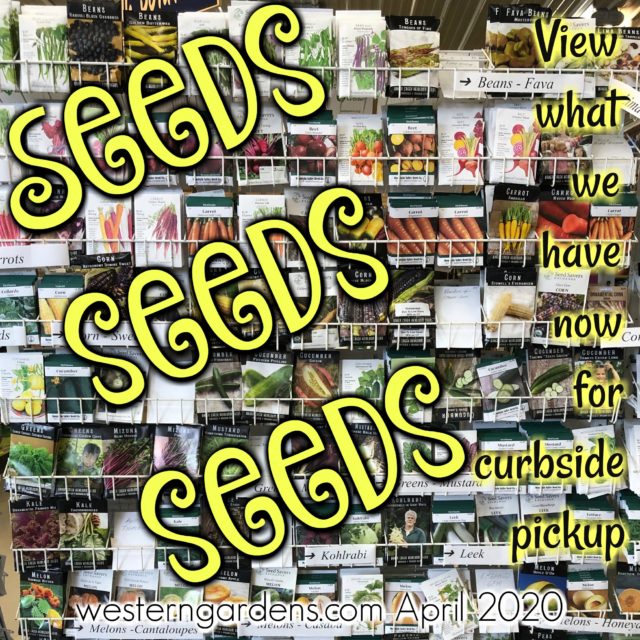
SEEDS, SEEDS, SEEDS

April 5, 2020 by Wendy Pettit

seed packets

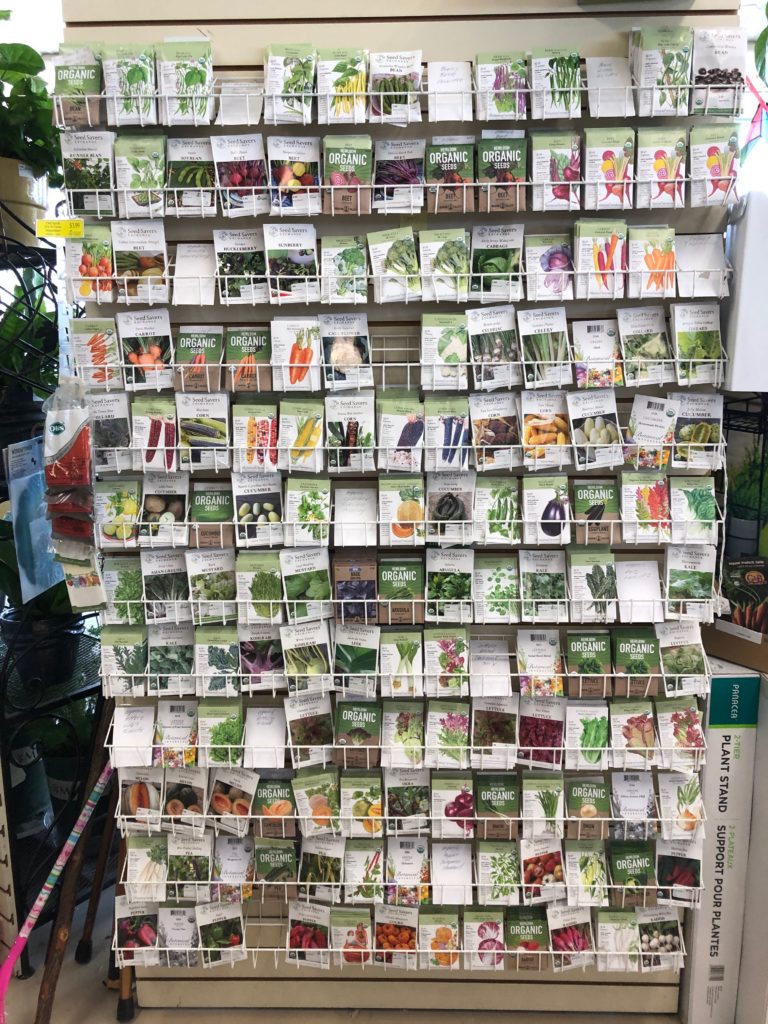
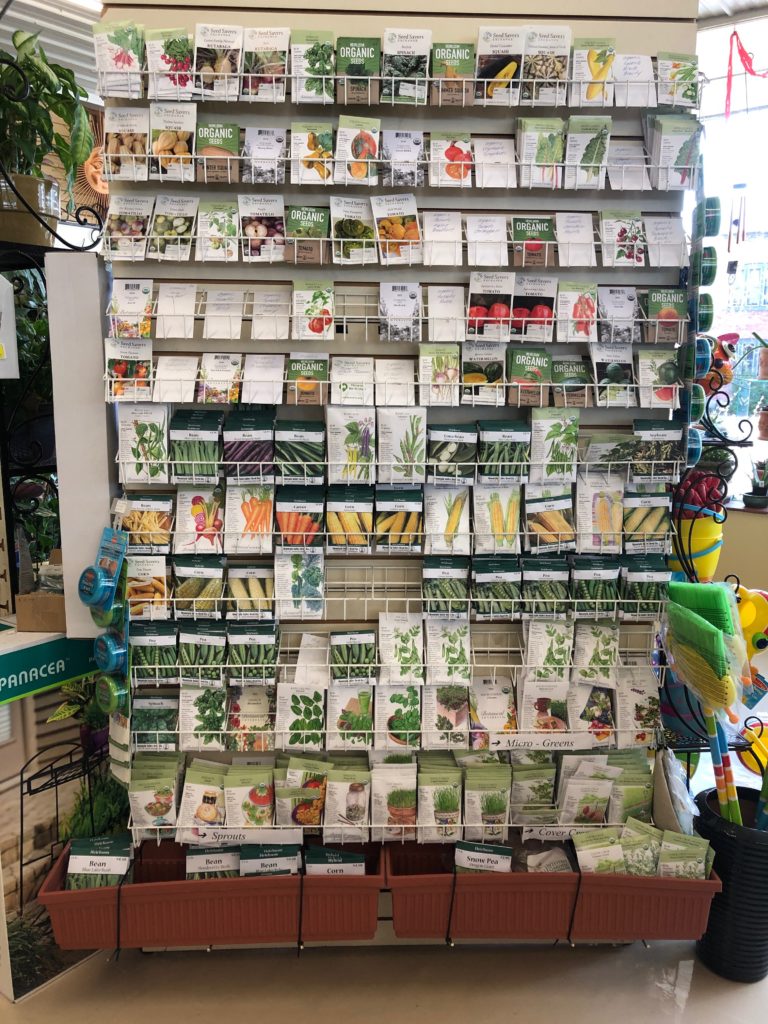
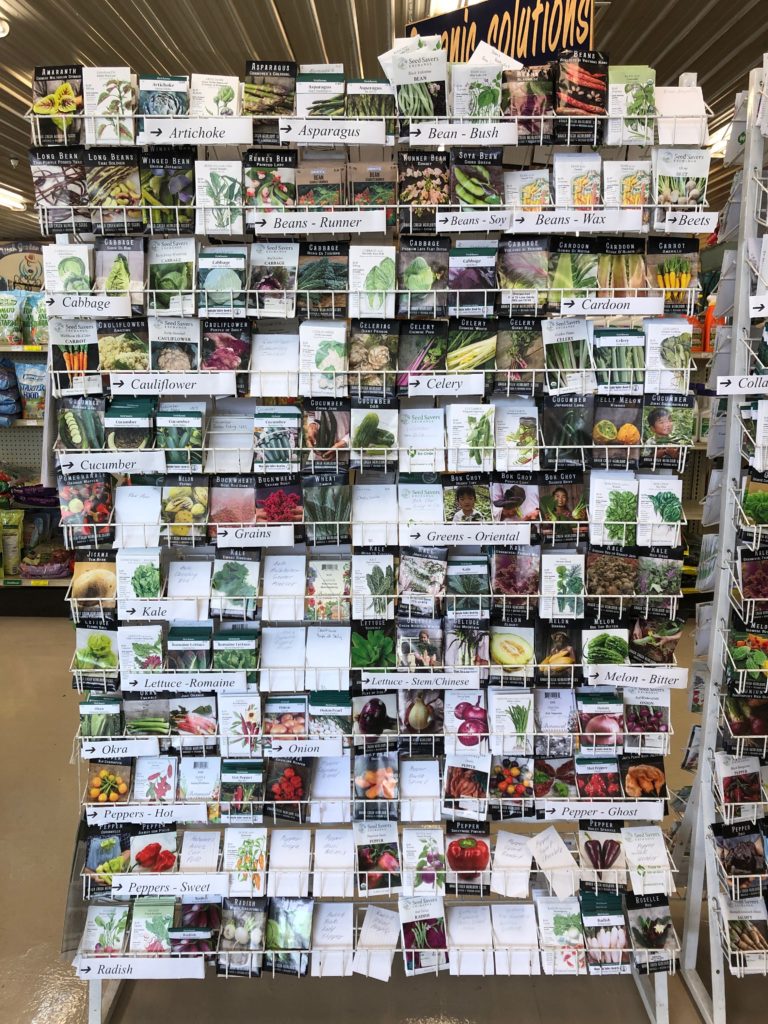
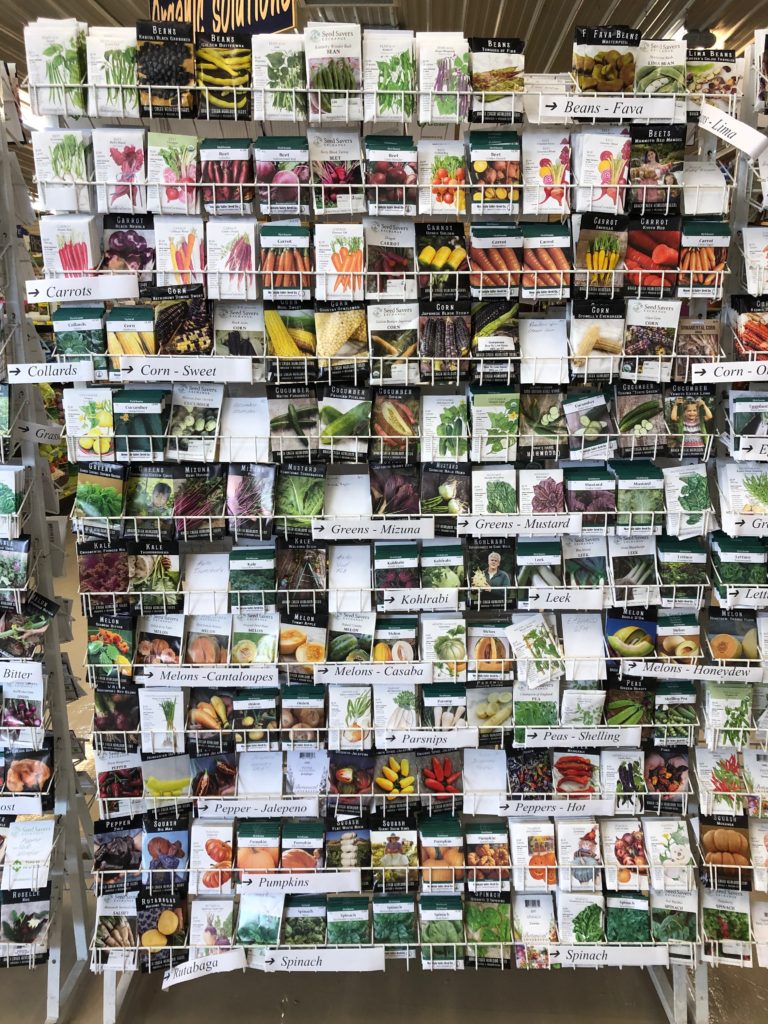
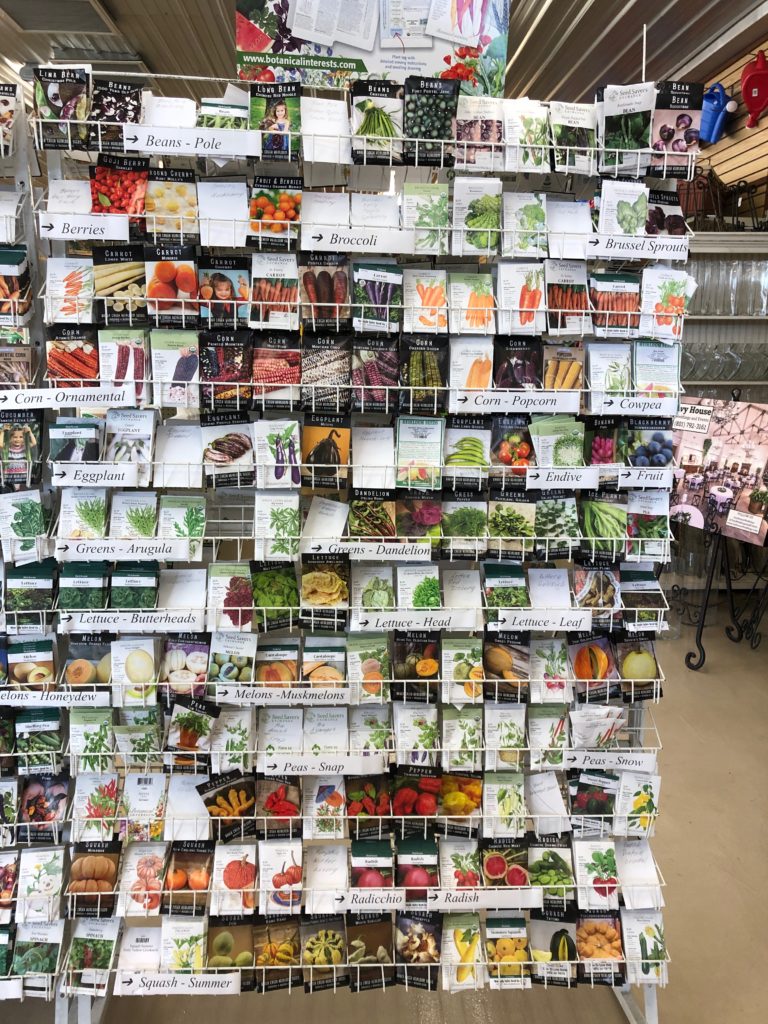
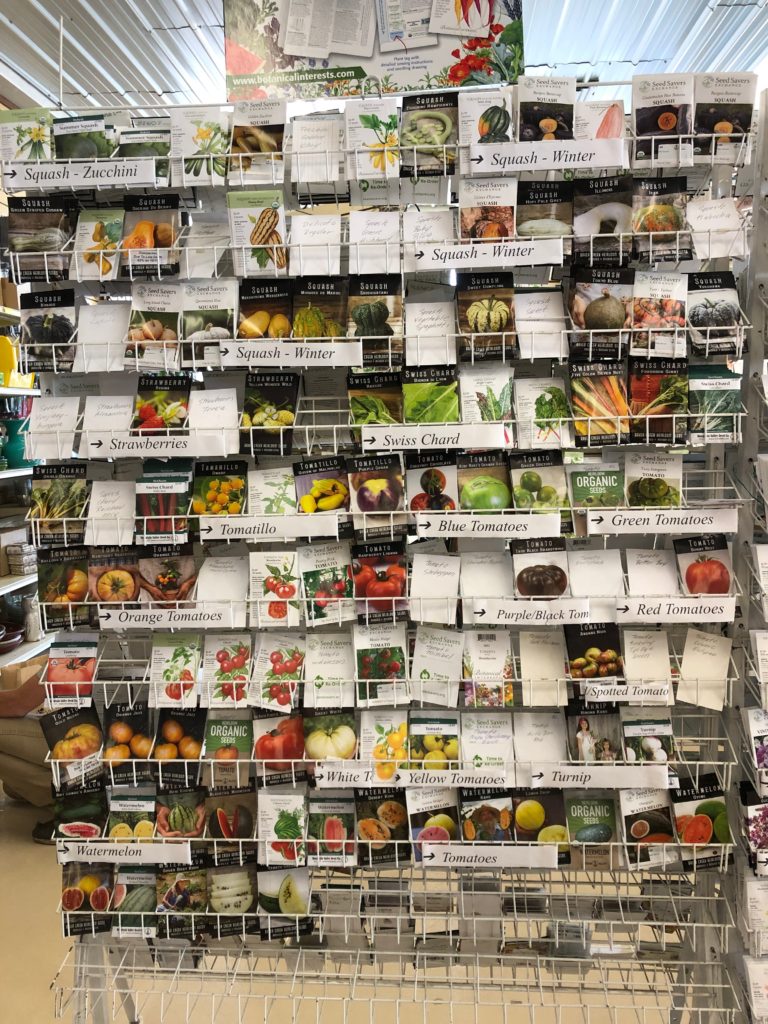
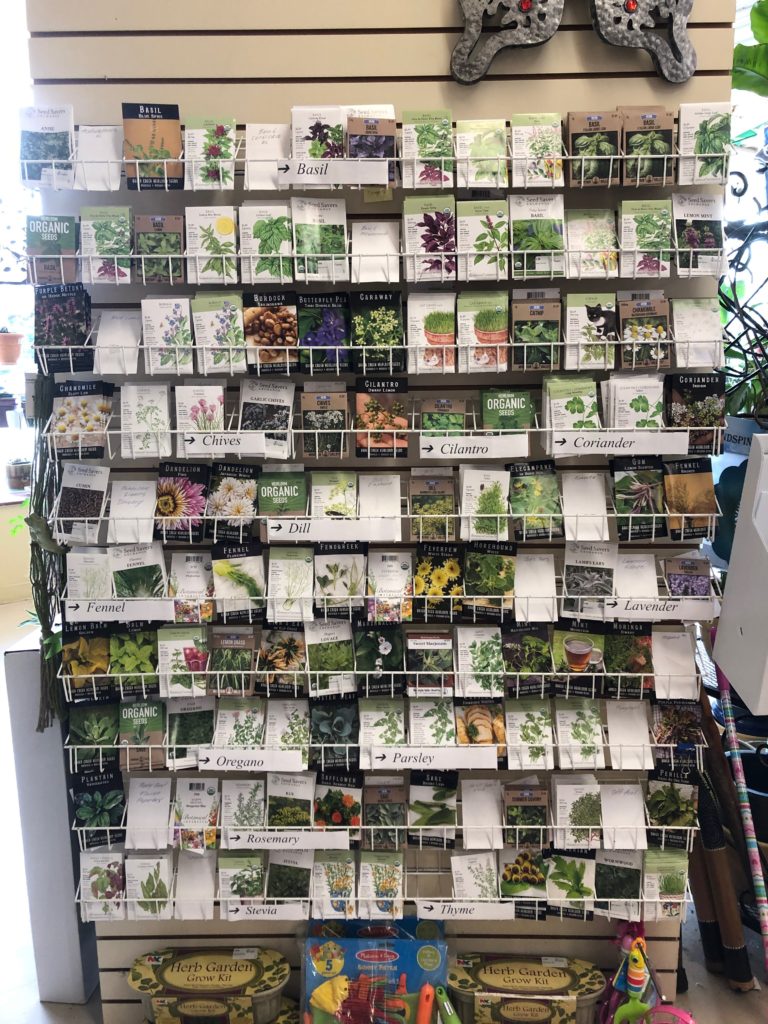
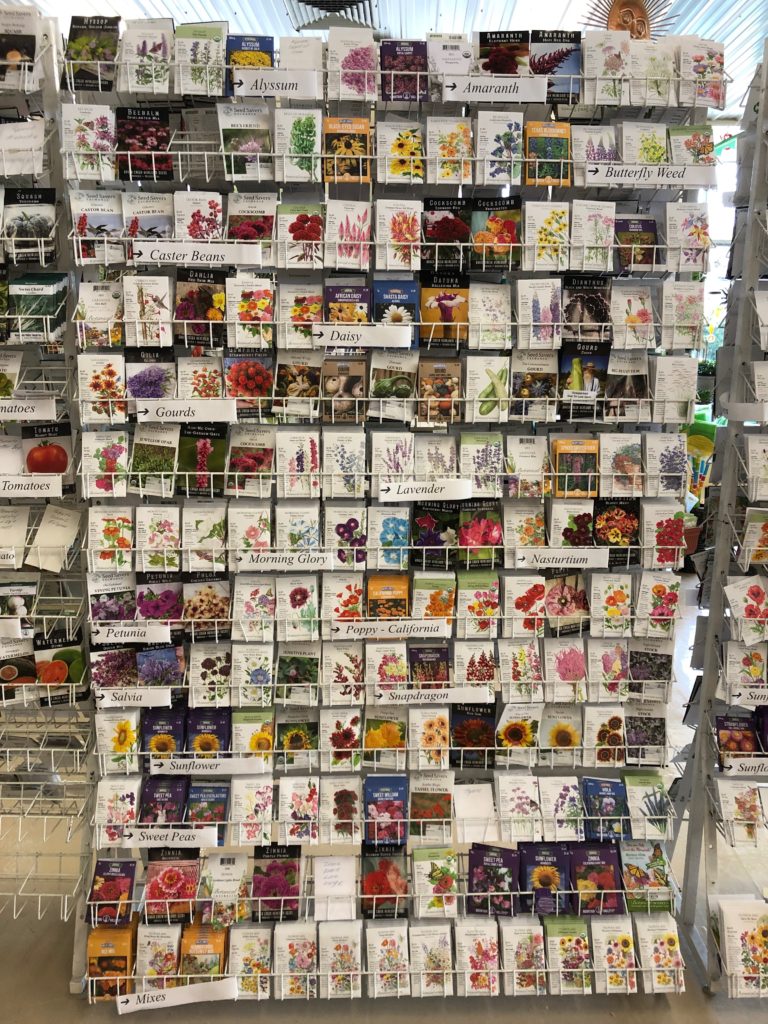
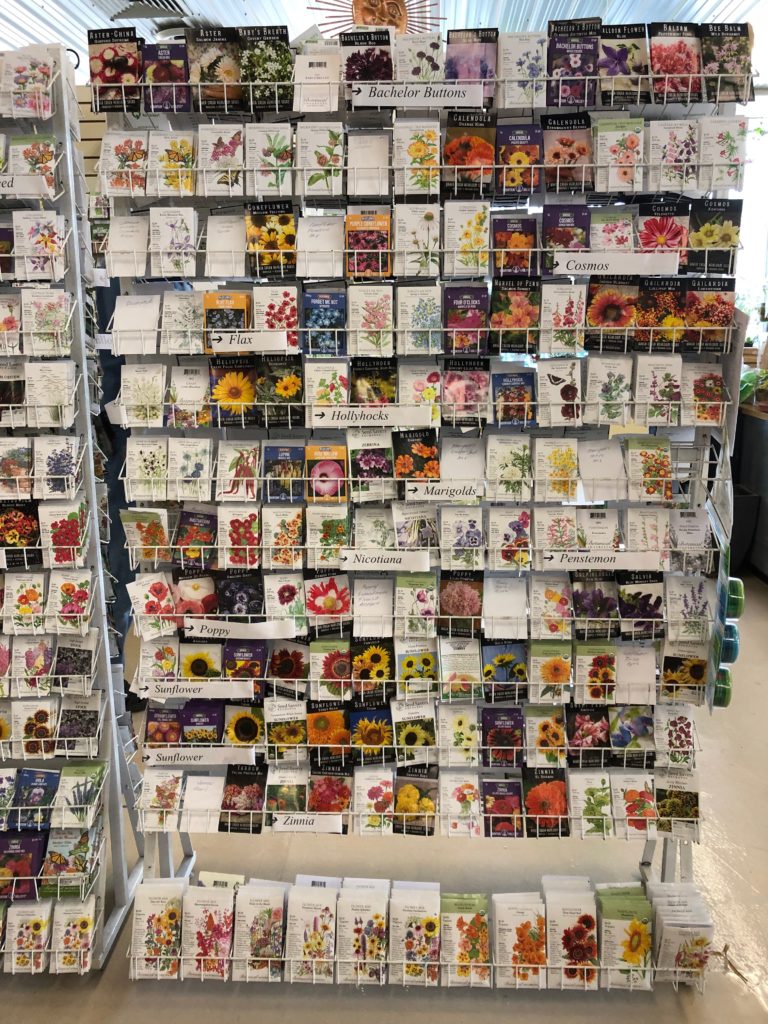
Several of our customers want to see what seeds we have available during this COVID-19 pandemic.  Since we currently and temporarily are only taking phone or email orders with curbside pickup, we are posting photos of the seeds we currently have inside the store.  Limited to supply on hand.  We apologize if these photos are difficult to see, but until we get some closer photos, these will have to do.  You may need to ZOOM in close to read the varieties.

Thank you again for supporting the small businesses in our community.  We appreciate you shopping at Western Gardens for quality products and services during this more than unusual spring.

ORGANIC SEEDS

organic vegetable seed packages at utah garden center

Organic Vegetable Seeds – soybean, beets, huckleberry, sunberry, broccoli, carrots, cauliflower, corn, collards, cucumber, greens, kale, melons, peas, peppers, gourd, and more.

organic vegetable seed packages for natural garden in Utah

Organic Seeds (minus the bottom 2 rows) – radish, squash, tomato, pepper, beans, corn, peas, spinach, and more.

VEGETABLE SEEDS

Utah vegetable seed packets

Vegetable Seeds – Artichoke, Asparagus, Bean, Beets, Cabbage, Cardoon, Cauliflower, Celery, Cucumber, Grains, Kale, Lettuce, Melon, Okra, Onion, Peppers, Radish, and more.

Vegetable seed packets from peas pumpkins leeks, beans, and more

Vegetable Seeds – Beans, Carrots, Collards, Corn, Greens, Melons, Peppers, Pumpkins, Rutabaga, Spinach, and more.seed packets of vegetables for gardening

Vegetable Seeds – Bean, Berries, Broccoli, Brussel sprouts, Corn, Cowpea, Eggplant, Endive, Greens, Lettuce, Melons, Peas, Radicchio, Radish, Pumpkins, Gourds, and more.Summer squash seeds for a vegetable garden

Vegetables – Squash-Zucchini, Winter squash, Strawberries, Swiss Chard, Tomatillo, Tomatoes, Watermelon, and more.

HERB SEEDS

seed packets of herbs for gardening

Herb Seeds – basil, chives, cilantro, coriander, dill, fennel, lavender, oregano, parsley, rosemary, stevia, thyme, and more.

FLOWER SEEDS

Flower seeds packets

Flower Seeds – Alyssum, Amaranth, Butterflyweed, Caster beans, Daisy, Gourds, Lavender, Nasturtium, Petunia, Morning Glory, Poppy, Salvia, Snapdragon, Sunflower, Sweet Peas, Mixes, and more.

Sunflower seeds and more

Flowers – Bachelor Buttons, Cosmos, Flax, Hollyhocks, Marigold, Nicotiana, Penstemon, Poppy, Sunflowers, Zinnia, and more.


Filed Under: Annuals, Covid-19 updates, Flowers, Fruit, Herbs, Perennials, Seeds, Tomatoes, Uncategorized, Utah Gardening, Vegetables, Veggie Gardening Tagged With: flower seeds, garden seeds, herb seeds, organic, organic seeds, packaged seed, seed packets, seeds, vegetable seeds

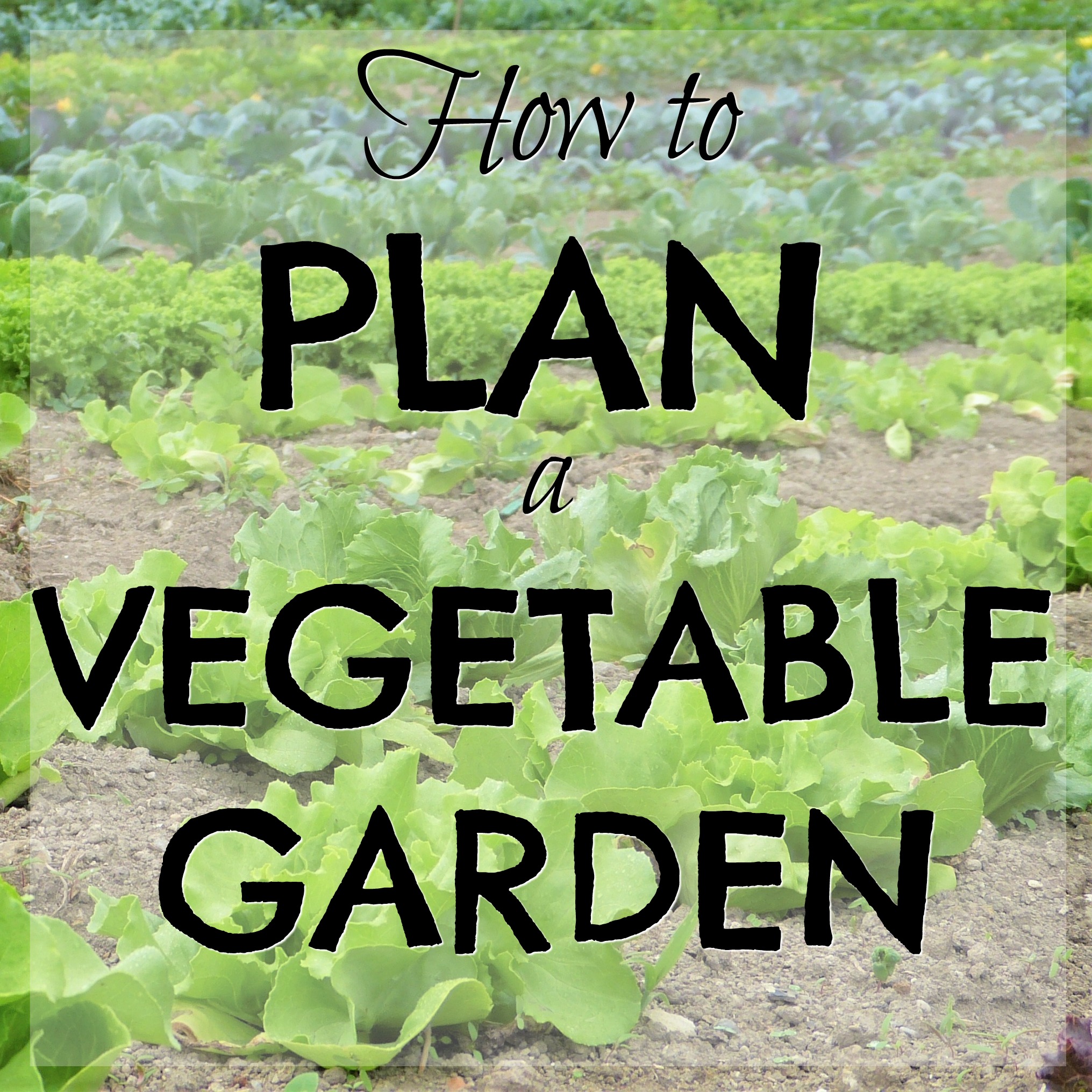
How to Plan a Vegetable Garden

February 13, 2020 by Wendy Pettit

by Kevin Jefferson

You’ve come to the right place to learn some important tips on how to plan a vegetable garden. Planting a vegetable garden might not be the easiest hobby in the world, but it’s definitely among the coolest ones. This is a way to do something good for your family and keep providing them with healthy veggies every single day, and that’s what we all want. But, planting a garden requires some planning and thinking things through, so here are a few tips that might help you do that more easily.  

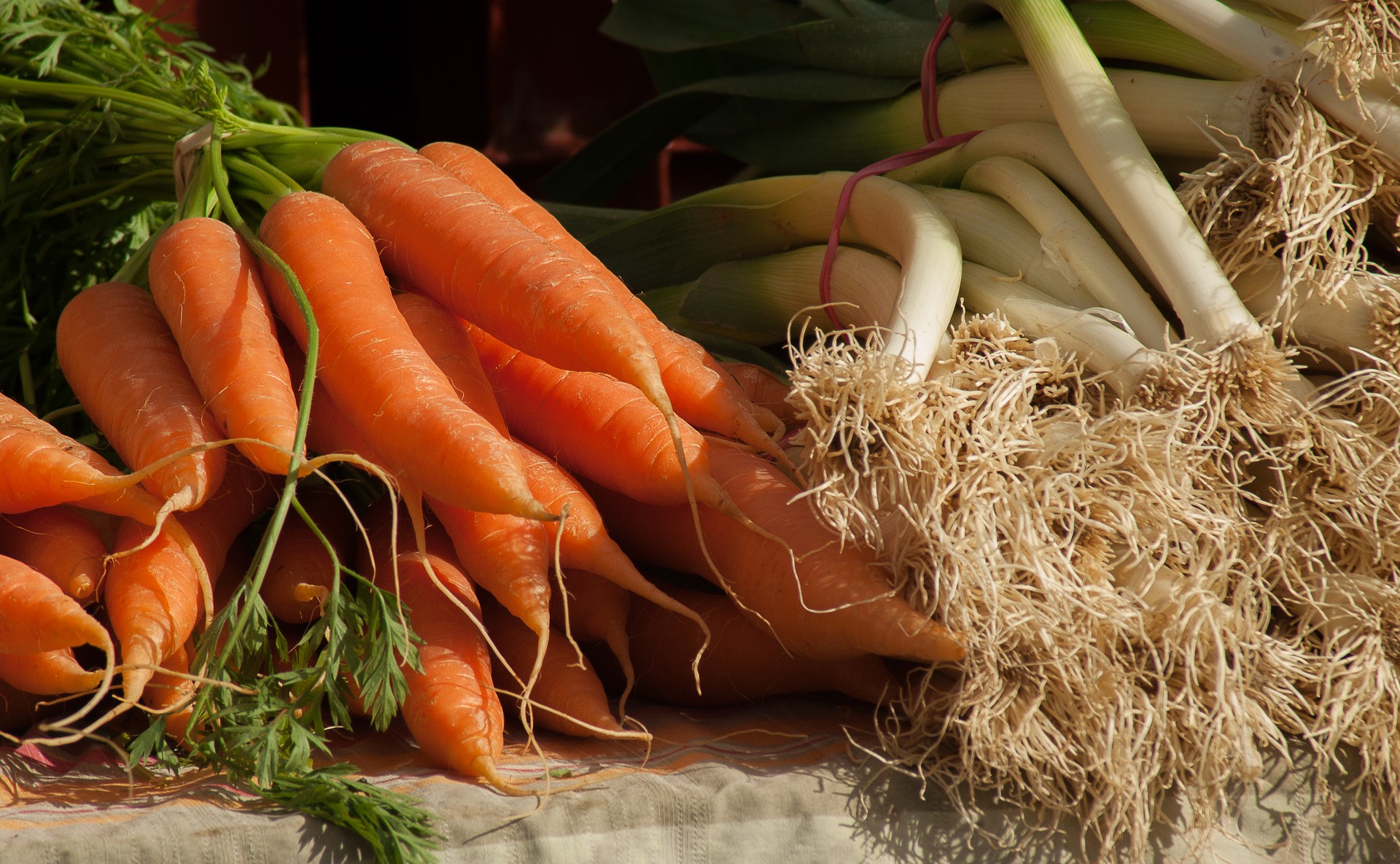
vegetable garden with carrots and green onion

Photo by Pixabay

Pick the Spot

There are lots of factors that will determine the success of your garden, and its location is one of the most important.  Living in a house with a yard makes your vegetable garden plan easier to formulate.  Find the sunniest part of your yard – front or back.  Partial shade is okay but you will have the most success if your plants can get 6-8 hours of direct sun. Look at all the possibilities.  You may have a corner you’re not using or a plot you could clear and turn it into a vegetable garden. 

To plan a vegetable garden when you may live in an apartment or a condo, can be more challenging.  However, many small apartment dwellers find success utilizing a sunny porch or balcony in their cozy space.  Planning the right plants for an apartment space is very important.  Your local garden center, like the well established Western Garden Centers in Utah, can give you suggestions that will do okay growing in a planter or large pot.  Not all plants like the confinement of a pot.

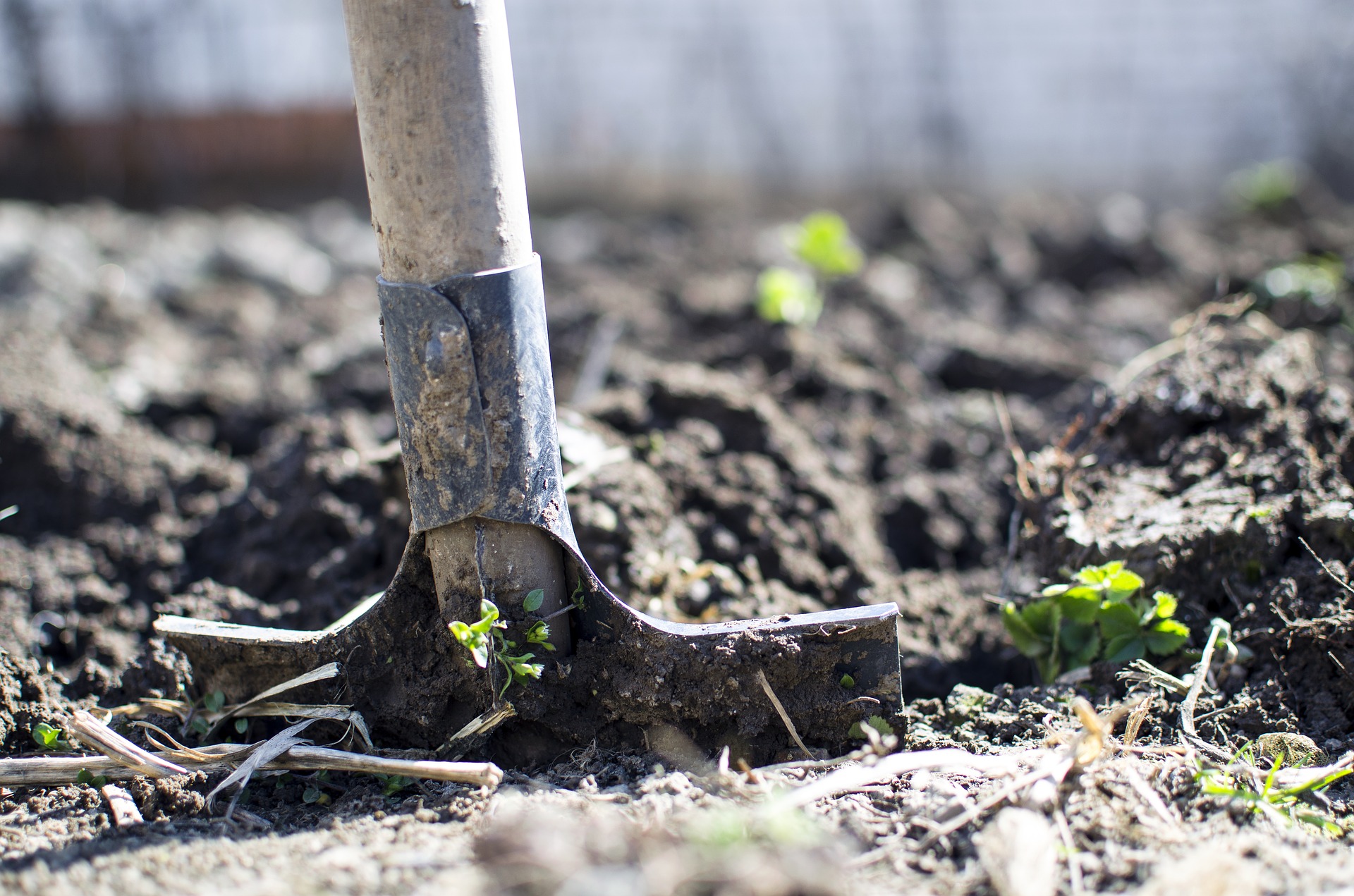
plan your vegetable garden, then dig in

Photo by Pixabay

Determine the Size

Bigger backyards will give your new garden more space, but don’t worry if you’re stuck with a tiny backyard – you can still make this work if you put your mind to it.  Even with a large yard, a designated 8 foot by 4 feet spot of earth, maybe the best for your first garden experience.  Four boards from the lumber yard, nailed together, and set on the ground may be the only size you can deal with at first.  Get your hands dirty and the next year, you’ll be eager to expand and try new plant material.  Again, don’t start with a massive vegetable garden if you’re doing this for the very first time.

Starting small and expanding your garden as you gain experience makes more sense in the long run. Pick a few low-maintenance plants to start with such as tomatoes, zucchini, and cucumbers.


Make it Visually Appealing

The main purpose of planting a vegetable garden is to give your family lots of healthy vegetables, but there are a few other benefits you should keep in mind. A nice tidy little garden will boost the value of your property and lots of greenery is great for making your backyard look more inviting. Plus, foliage helps keep a yard cooler in the summertime.  So visually appealing doubles for your little climate control.

Plant a variety of vegetables paying attention to their different shapes and sizes. Plant colorful flowers or herbs along with your vegetables to add interest and help attract beneficial insects too.

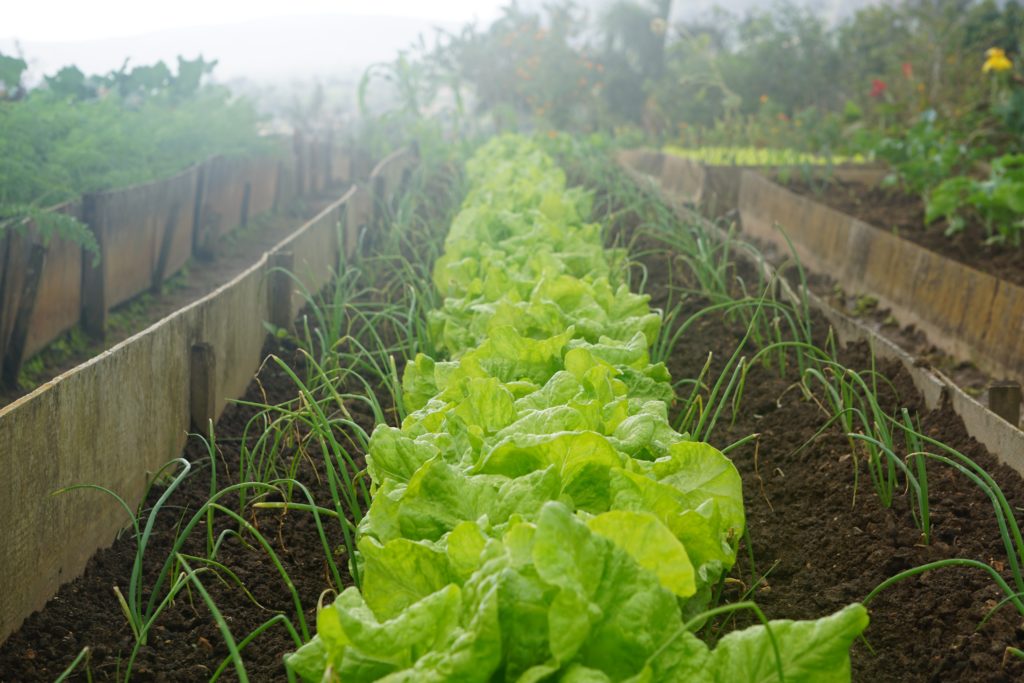
vegetable garden plan with lettuce and onion

Photo by UnSplash

Choose the Layout

Even though most people don’t think you need a particular plan when planting a veggie garden, this couldn’t be further from the truth. Unless you make a proper plan and know where everything is, your garden is going to be messy and cluttered, and that’s never good. Instead, work on your layout. Plan the vegetable garden with taller plants in the middle or all together and lower growing root vegetables on the outer edges. For example, a row of carrots between zucchini plants or cabbage heads will make it difficult to work those carrots. Be sure to determine your planting zone. Choosing the proper plants for your climate area will determine your garden’s future success.  Visit a reputable local garden center like Western Gardens.  They won’t try to sell you plants that will not do well in your area.  They also will direct you how to protect certain seedlings from unpredictable early frost we often experience along Utah’s Wasatch Mountains.


As outlined above, the effort you do to first plan your vegetable garden, you will find more success.  Now it’s time to prepare your soil, plant it, care for it, and soon you will harvest the many fruits of your labor.  It’s really not that difficult, but it brings great satisfaction to you and your family’s life.  Therefore start small and simple, define every task to be accomplished, and then stick to your plan every step of the way. Your garden center experts would love to help you find success!  Remember that success doesn’t come overnight with a garden; so stay patient, stay focused, and stay dedicated to your vegetable garden.  Before you know it, you’ll be picking and munching on those delicious fresh vegetables!


how to plan a vegetable garden

About the Author

Kevin has gone through an extensive home renovation with his son, which he has both thoroughly enjoyed, and dreaded every morning. He is now the proud owner of half his dream house (the other half has been waiting for spring). You can read more of Kevin’s work on PlainHelp.

Filed Under: Gardening, How To, Utah Gardening, Vegetables, Veggie Gardening Tagged With: plan a garden, plan a vegetable garden, planting a garden, vegetable garden, vegetables

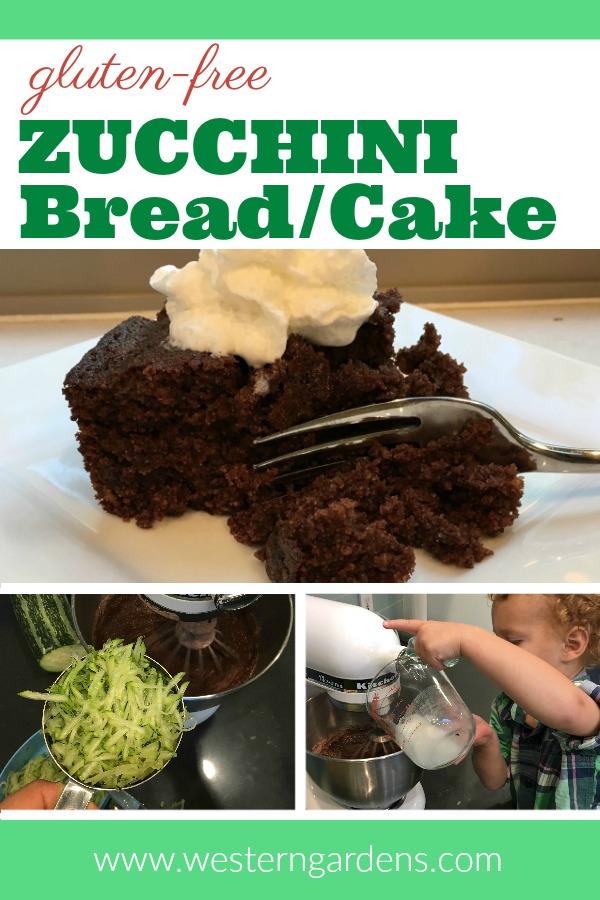
Gluten Free Chocolate Zucchini Bread – Cake

September 30, 2017 by Wendy Pettit

A fun potluck party idea is to have a zucchini fest.  People can be so creative; you’ll discover zucchini dishes you never dreamed of.  I’ll never forget going to one several years ago and someone had thought ahead and brought a gluten free chocolate zucchini bread.  Too many times, we forget the many who don’t eat gluten (wheat products).

My busy gluten free neighbor Vanessa shares this recipe – gluten free chocolate zucchini bread.  It is so yummy and rich, it can be treated as cake.  This is a proven winner recipe; it won’t last long in the pan! Enjoy the zucchini season while it lasts…and lasts…..and lasts!

gluten free chocolate zucchini bread cake

Gluten Free Chocolate Zucchini Bread/Cake

INGREDIENTS

  • 1/2 cup  applesauce
  • 1/3 cup coconut oil 
  • 1 1/2 cup granulated sugar
  • 2 large eggs
  • 1 teaspoon vanilla extract
  • 1/2 cup coconut milk plus 1 tbsp white vinegar (this makes a dairy free buttermilk version)
  • 1 cup brown rice flour
  • 1 cup oat flour
  • 1 Tsp xanthum gum
  • 1/3 cup cocoa powder
  • 1 tbsp cacao
  • 1/2 teaspoon baking powder
  • 1 teaspoon baking soda
  • 1/2 teaspoon ground cinnamon
  • 1/2 teaspoon salt
  • 2 cups shredded zucchini 

Gluten free chocolate zucchini bread is easy to make with few ingredientsDIRECTIONS

  1. Preheat the oven to 325 degrees F. Lightly grease a 9X13-inch pan with non stick spray
  2. In a large bowl cream together the applesauce, coconut oil and sugar. Then add the eggs and vanilla and mix well.
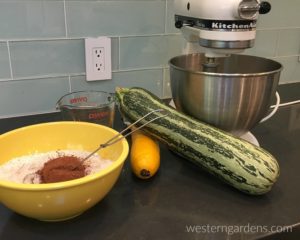
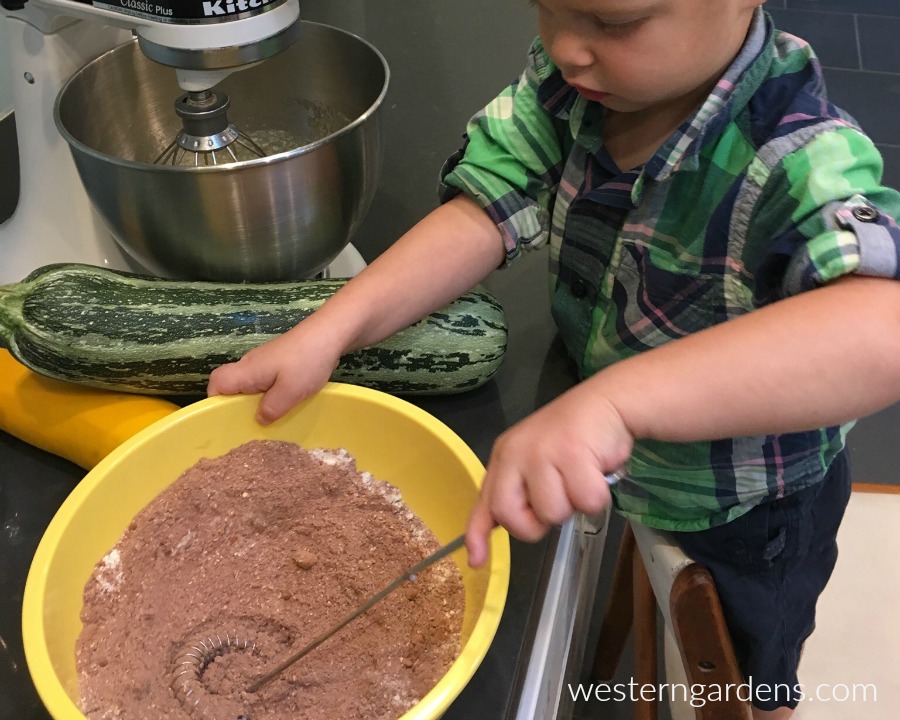
  3. In a separate bowl, whisk together the brown rice and pat flours, cocoa powder, cacao, baking powder, baking soda, cinnamon and salt.
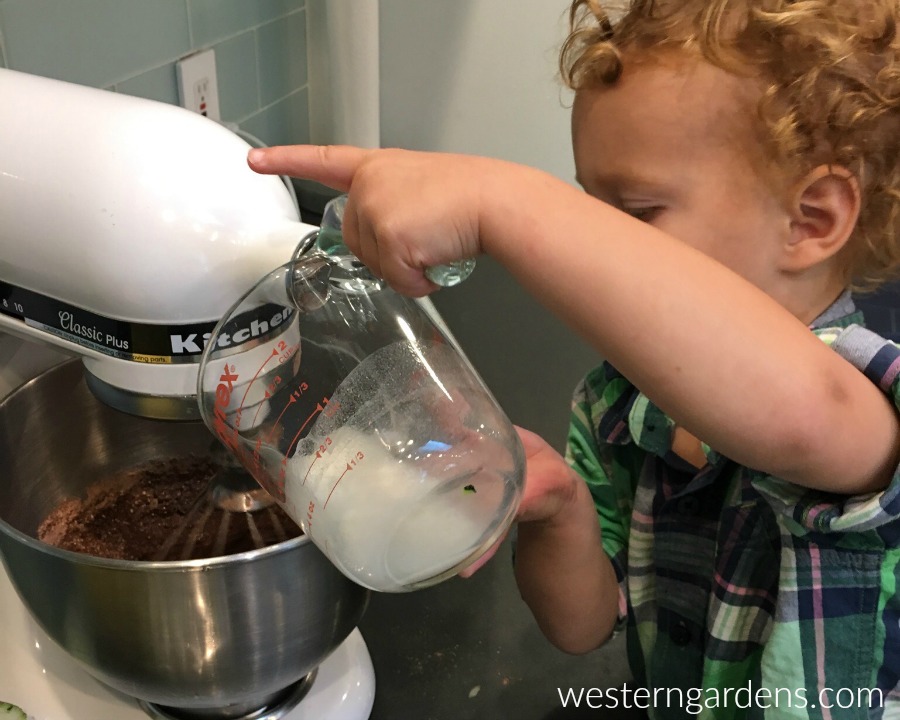
  4. Add 1/2 of the dry ingredients to the batter and mix, then add the coconut milk (with the vinegar) mix, and add the remaining flour mixture. Mix until well combined.
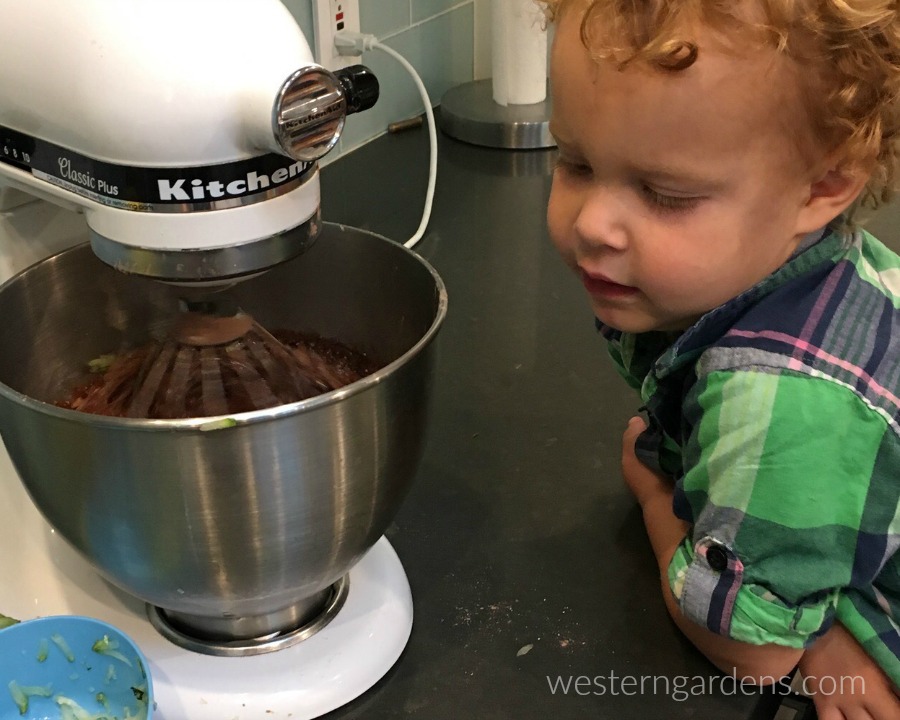
    mixing gluten free zucchini bread

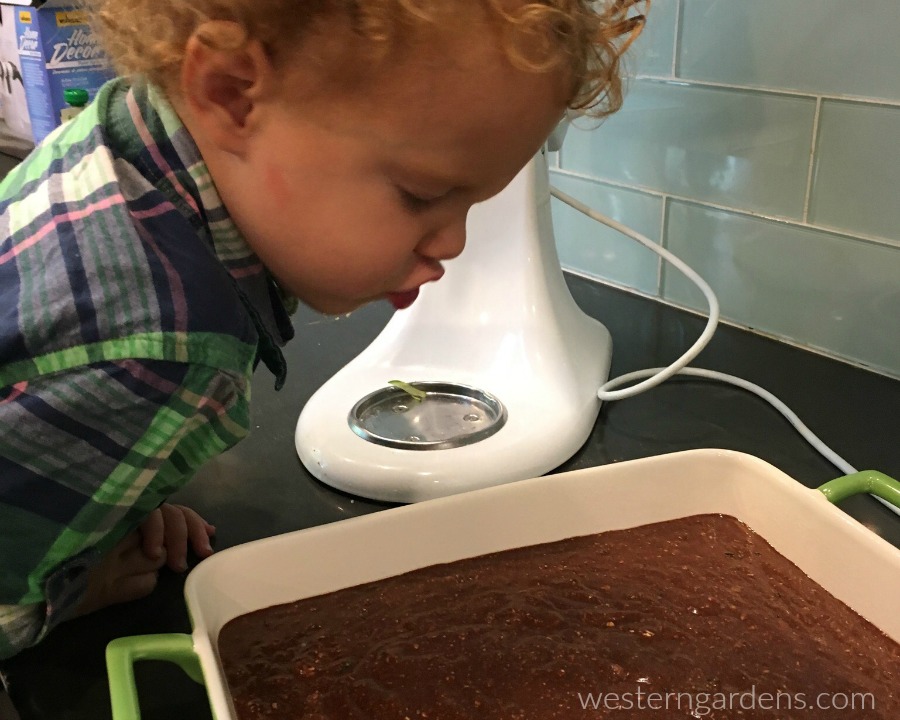
    This is a good time to teach patience to little ones while the batter mixes. Good things come to those who wait!

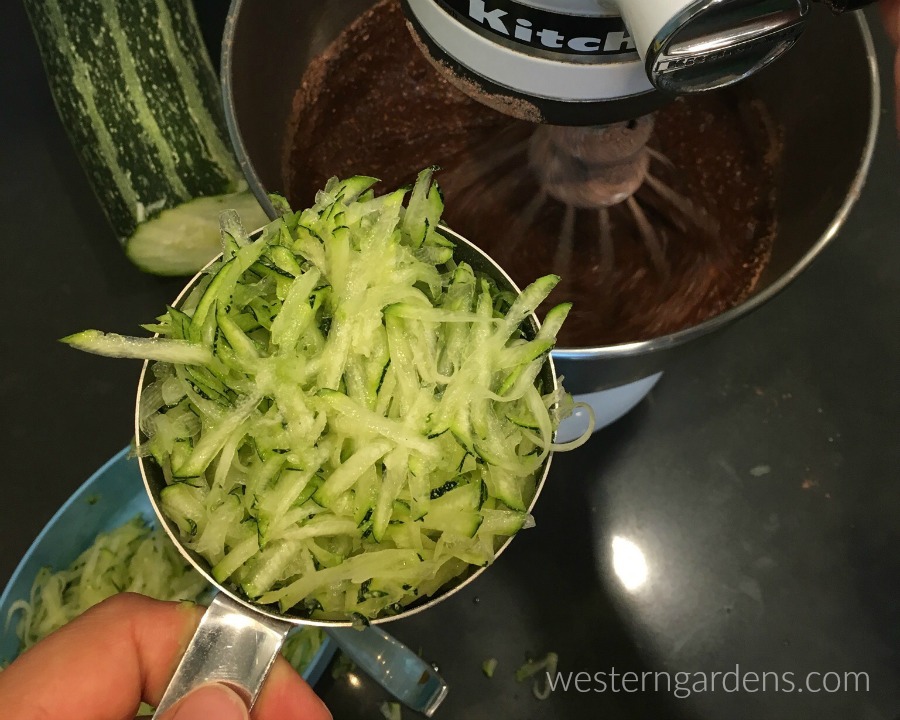
  5. Stir in the shredded zucchini.
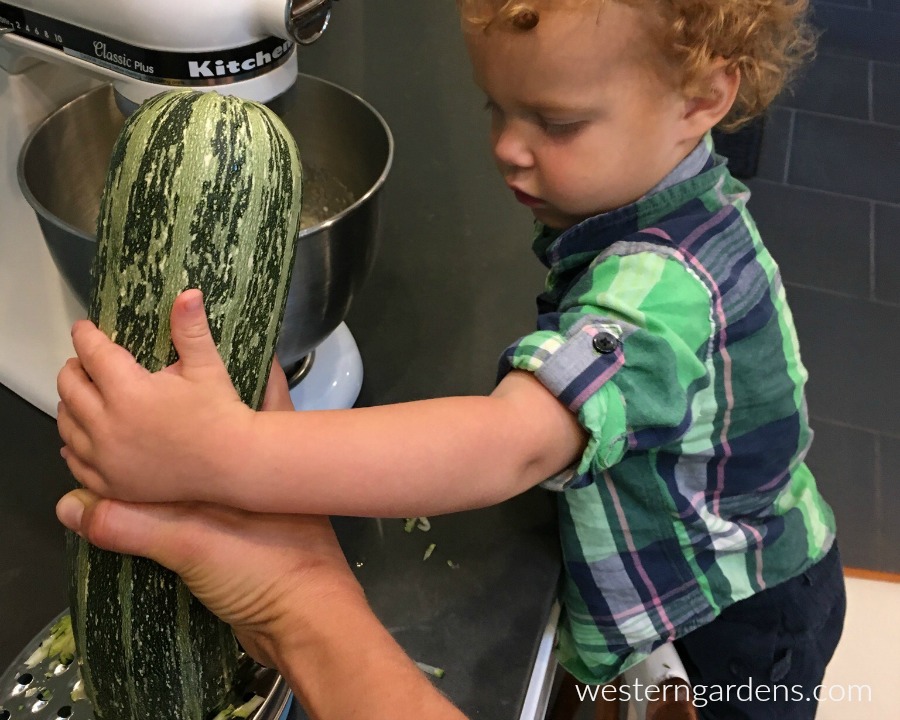
    Children can grate zucchini for your gluten free chocolate zucchini bread.

    With supervision and a little help, young children can take pride in helping make this delicious zucchini treat!

    Nothing like freshly grated zucchini for zucchini bread!

  6. Pour the batter in the pan. 

    Be sure to smell it as you examine your batter.

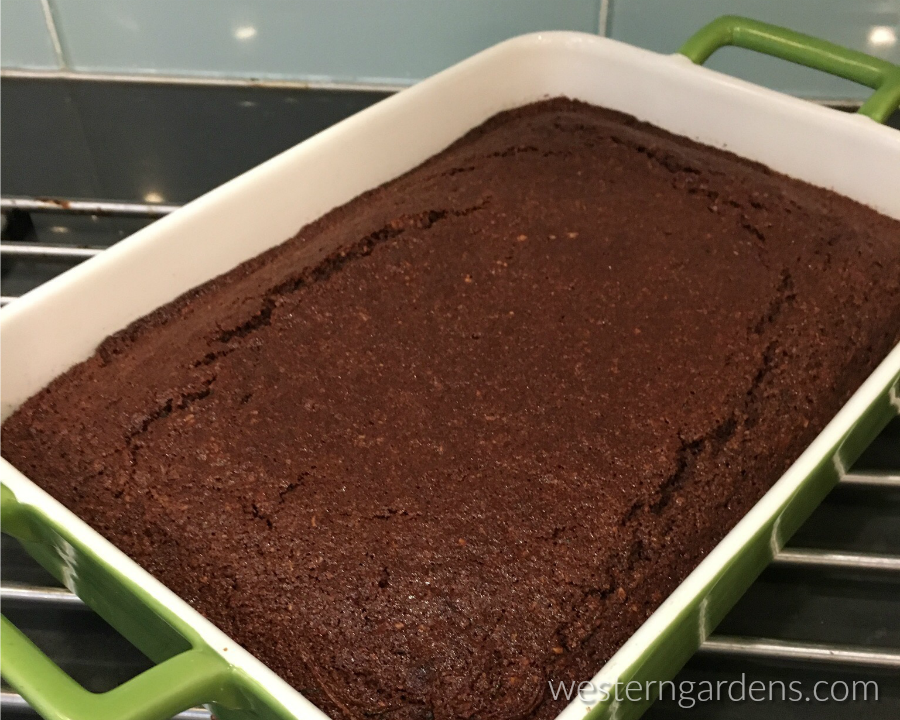
  7. Bake for 30-40 minutes until a toothpick inserted in the center comes out with moist crumbs. In my convection oven it takes about 34 minutes. 

This can be served with whipped topping or your favorite ice cream or ice cream alternative. 

gluten free chocolate zucchini bread is delicious! Yum!

If you have already pulled up your garden, don’t worry.  I’m sure someone has excess in their garden.  Just put out the word that you will make some gluten free chocolate zucchini bread for them if they will give you some of their zucchinis.  If you find this too late, make plans for various zucchini plants next spring.  There are many varieties to choose from at your local garden center.

Try out some other ZUCCHINI RECIPES:

Baked Zucchini Fries

Banana Zucchini Bread w/Chocolate Chips

Zucchini Chips

Delicious Roasted Zucchini

Oven Fried Zucchini

Prepare for April 25th – National Zucchini Bread Day

Prepare for August 8th – Sneak Zucchini Onto Your Neighbor’s Porch Day

gluten-free chocolate zucchini bread-cake recipe


Filed Under: Recipes, Vegetables Tagged With: kids in the kitchen, zucchini, zucchini bread, zucchini bread recipe, zucchini recipes

Celebrate the Potato in September

September 2, 2017 by Heather Leister

September is the special month of the year that is set aside to celebrate the wonderfully dependable, always reliable potato.  This solid side dish performer works with almost any meal and if you planted potato starters in the spring then you should have a harvest ready to be served up this the fall. Mashed potatoes are always a solid side dish but if you’re looking for something different here are six ideas for side dishes this month as you celebrate the potato!

Hashbrowns – Who says that hashbrowns have to stay put on the breakfast menu? Try serving them at dinner and adding in bell peppers, onions, and your favorite spices for flavor. Serve the hash browns with a traditional dinner menu or make it an evening of breakfast. It’s always a good time for pancakes and bacon!

Funeral Potatoes – A Utah classic, funeral potatoes are a satisfying comfort dish for any occasion, even a weeknight family dinner. Potatoes can be diced, sliced, or shredded before you add them to the recipe. This potato dish can be as simple or as elaborate as you want to make it, the varieties are endless. Here’s a basic funeral potato recipe from Lil’ Luna to get you started if you’ve never baked this comfort food before!

Baked – You can’t deny the simple, great taste of a baked potato. Toss the potatoes in olive oil and kosher salt before baking and they’ll come out of the oven crisp on the outside and warm and fluffy on the inside. The beauty of the baked potato is that each family member can create their own. Whether it’s with simple butter and salt or fully loaded with sour cream, bacon, cheese, and green onions, everyone will have a say in how this potato dish is made.

Photo Credit: Flickr

Grilled – While the weather is still warm outside you may not be in the mood to use your oven to cook potatoes. If that’s the case you can always grill them. Grilled potatoes are an excellent choice when you’re already planning on grilling meat for dinner. Slice or dice the potatoes and then put them in a foil packet. Don’t forget to spray the foil with non-stick cooking spray to prevent the vegetables from sticking to the sides.  Add in bell peppers and onions or cheese and bacon, depending on your taste preference. Seal up the foil packets and place them on the grill earlier than your meat as the potatoes will take longer to cook.


Photo Credit: Food Network

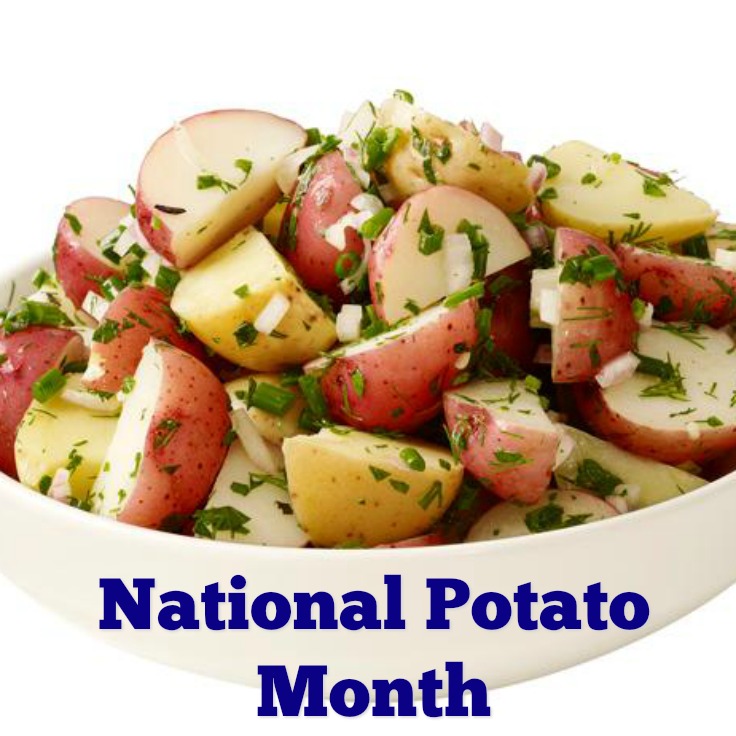
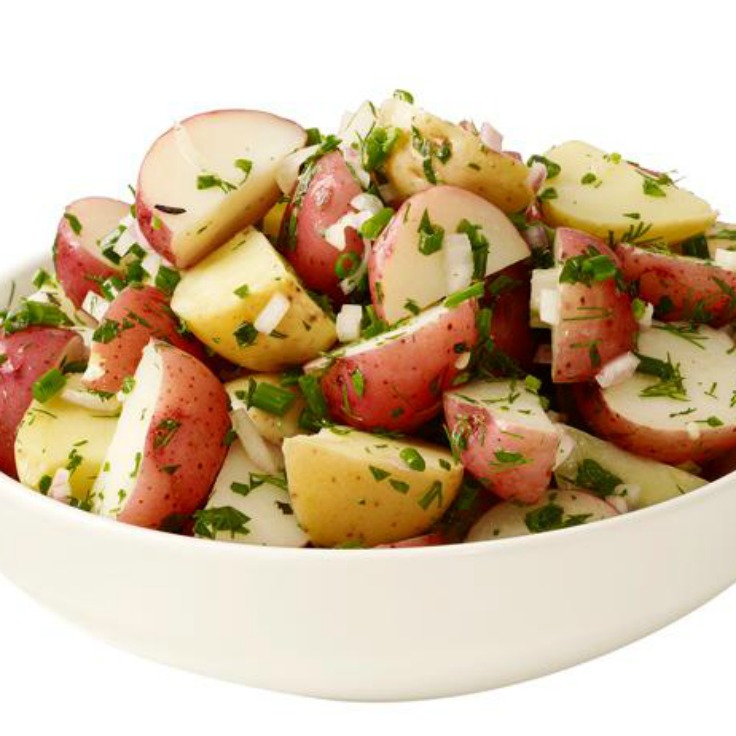
Potato Salad – Potato salad isn’t only a dish for summer potlucks! If you find yourself in the mood for a potato side dish but want something a little lighter, try a potato salad. You can stick with the traditional recipes or try one that’s eggless, or a version that uses red potatoes and vinegar.

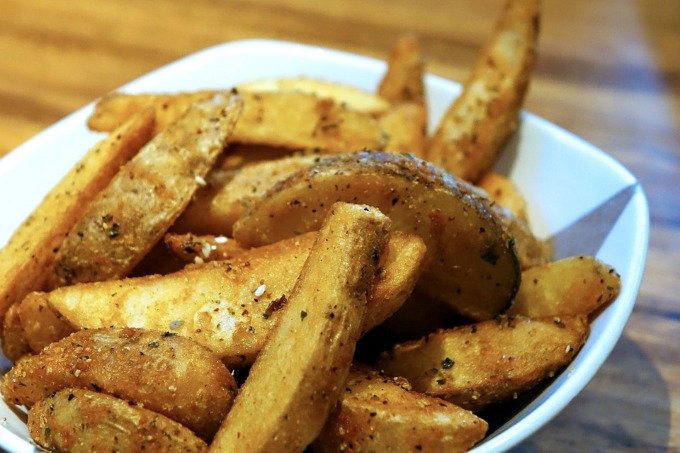
Potato Wedges – Celebrate the potato with homemade potato wedges.  They are about as family friendly as you can get. Wedges can be served with simple, kid friendly main dishes or fancier adult fare. While cutting the potatoes can seem like a chore, in the end the homemade taste will be worth it! Try this recipe from Our Best Bites for oven fries and experiment with the different seasoning. 

Photo Credit: Pixabay


Enjoy the month with your homegrown potatoes, but if you didn’t grow any, plan ahead for next spring.  Western Gardens carries in the spring a variety of only the best potatoes to grow in your own garden.  You will be able to celebrate the potato even more next September.

Other Delicious Potato Recipes and Information:

Ranch Roasted Potatoes

Garlic and Rosemary Mashed Potatoes

Smashed Potatoes

Planting Potatoes


Filed Under: Holidays, Recipes, Vegetables Tagged With: Gardening, potato recipes, potatoes, recipes

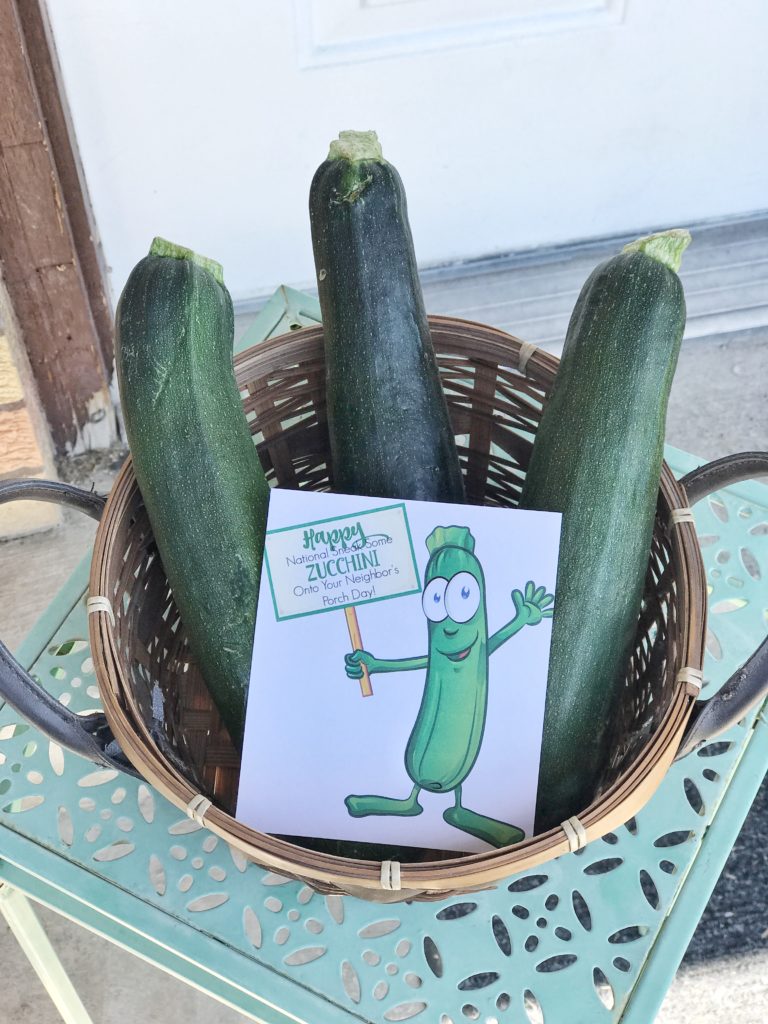
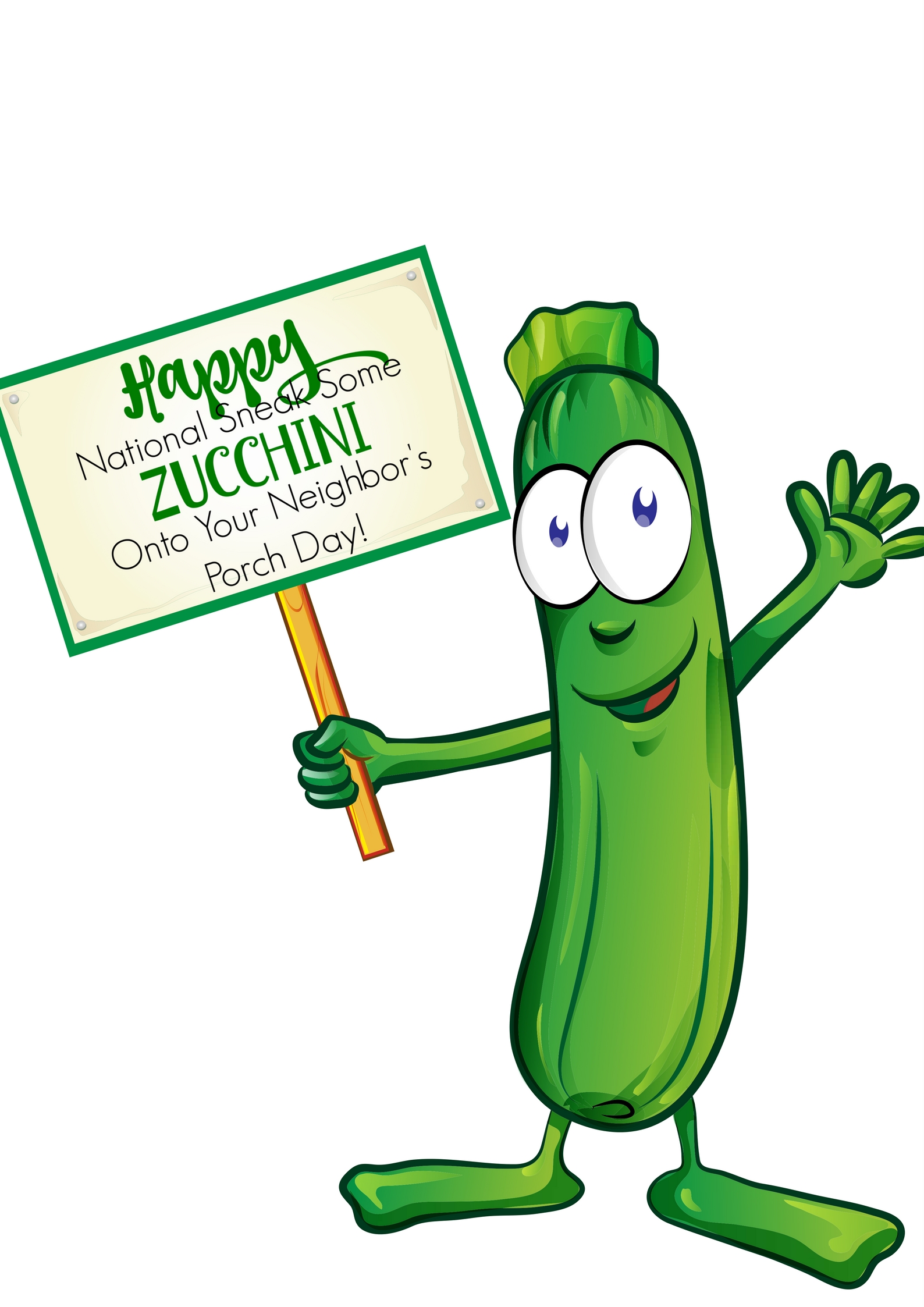
National Sneak Some Zucchini Onto Your Neighbor’s Porch Day

August 5, 2017 by Jenn Crookston

Hello!  I’m Jenn from Housewives of Riverton and am so excited to be here with you today.  Did you know that August 8th is National Sneak Some Zucchini Onto Your Neighbor’s Porch Day?  I am absolutely loving these different national days and have so much fun coming up with ways to celebrate them.
Leave a basket of zucchini on a neighbor's porch. The funny thing about National Sneak Some Zucchini onto your Neighbor’s Porch Day is, what person (who has a garden) isn’t going to be over the moon excited to celebrate this day.  I mean, if you were to start putting some of your zucchini abundance onto all your neighbor’s porches on just a random Tuesday people might think you were weird BUT make it a national day that you can include on a fun note and it’s perfectly acceptable to share the zucchini love!As I was thinking of different ways to celebrate this fun holiday I started thinking of some of my favorite zucchini recipes.  I think zucchini bread has to top the list, I like to pretend it’s completely healthy because it has quite a bit of zucchini in it, perfect for those days when I’m dieting.  I don’t want to make National Sneak Some Zucchini Onto Your Neighbor’s Porch Day a chore for you so I am not suggesting that you make zucchini bread for all your neighbors but you could include a recipe for zucchini bread (or cookies, cupcakes, brownies…there are so many delicious zucchini recipes) along with the needed amount (or more) of zucchini.  You may just introduce them to a new favorite recipe.
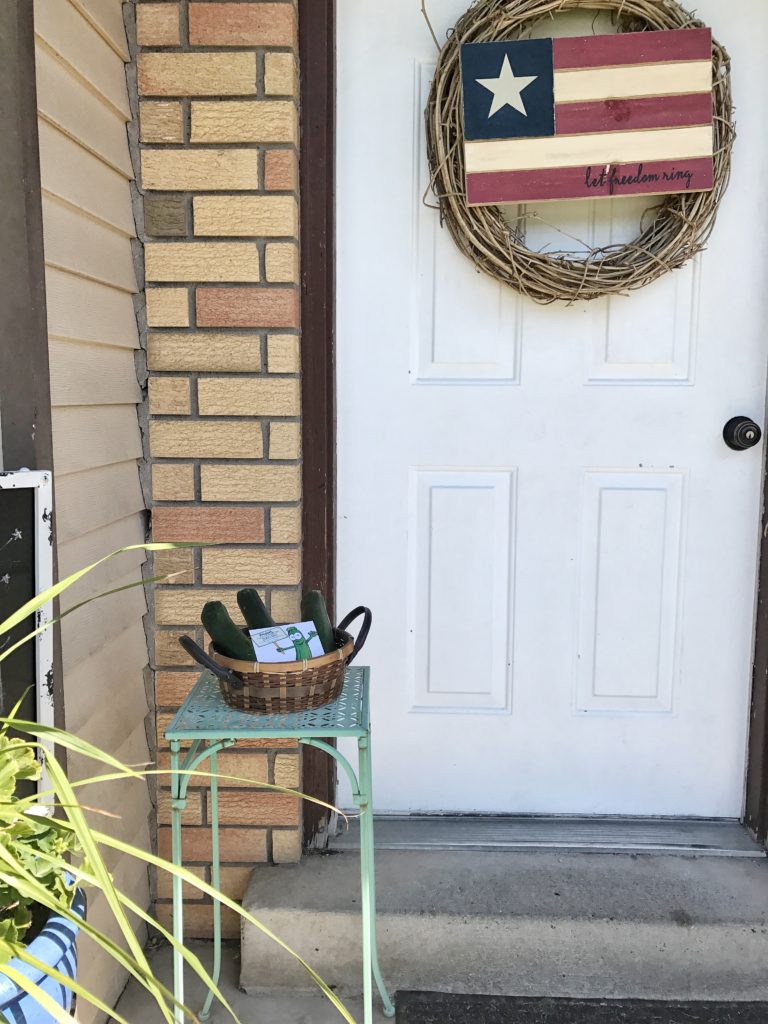
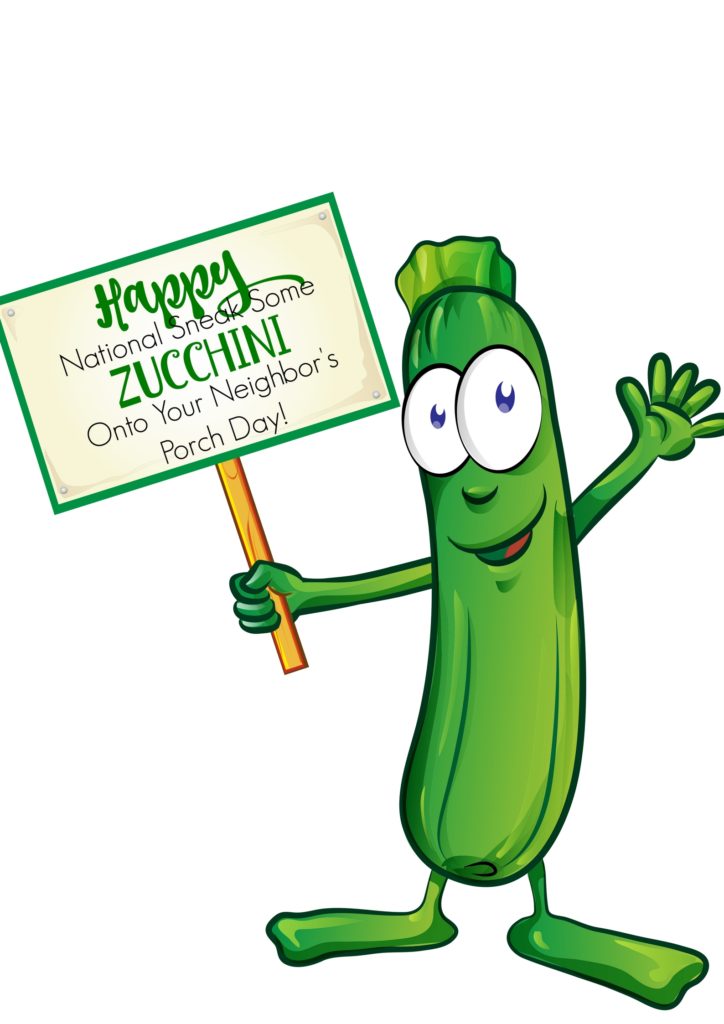
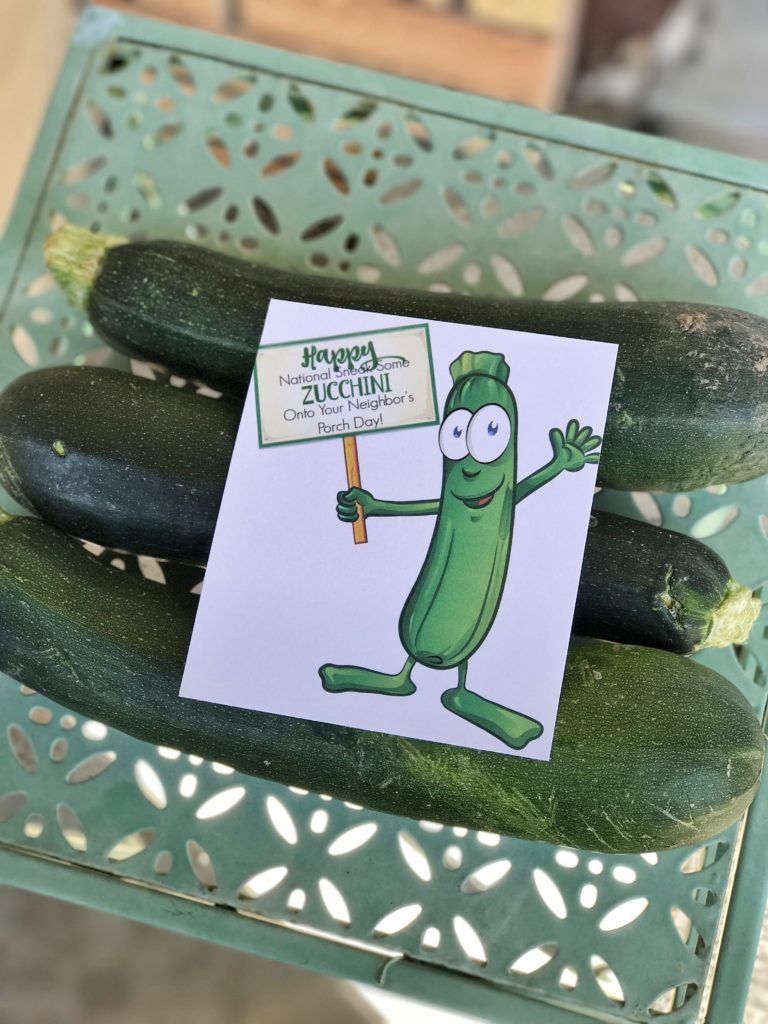
Free printable for National Zucchini day.
To help make this day and the giving easier for you, I’ve created this fun free printable for you to include with your bounty.  CLICK HERE to print it off! I think that cute smiling zucchini would make anyone’s day brighter, he just seems to scream “Hey you, I was thinking about you today!” and everyone loves to be thought of.
I say plan ahead, don’t let this fun new holiday sneak up on you, collect your zucchini abundance, print out a few of our free printable and maybe a recipe or two and hit the neighborhood on August 8th and bring a smile to the faces of your neighbors!

If you’re looking for a fun new way to eat your zucchini you’ve got to try our Zucchini Cookies with Cream Cheese Frosting or our Applesauce Zucchini Bread both are serious crowd pleasers and are sure to have your friends and family asking for more zucchini from your garden!  Check out our National Zucchini Bread Day recipe as well.

Filed Under: Eat from Garden - Recipes, Holidays, Vegetables Tagged With: august 8, happy zucchini day, national sneak zucchini day, share with neighbor, zucchini, zucchini recipes

Five Green Veggies for Fall Gardens

July 28, 2017 by Heather Leister

The calendar may still say “Summer” but believe it or not, it’s time to start thinking about planting your fall garden!  I tend to think of planting my garden as a springtime activity but there are many plants that thrive in cooler conditions and will produce a harvest of healthy foods. Here are five green veggies that you can plant now and enjoy when sweater weather truly kicks in!

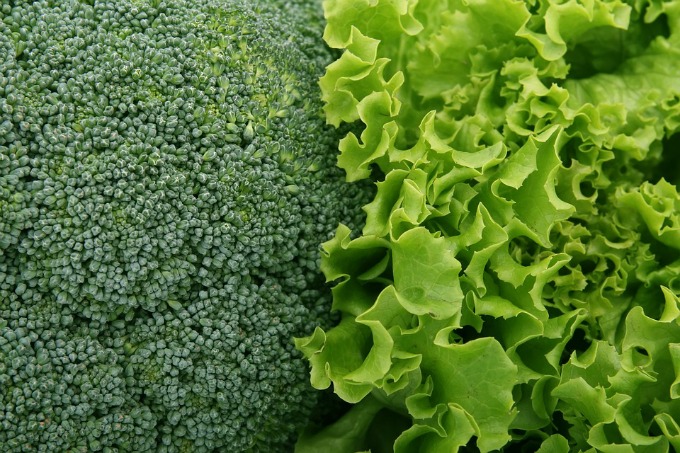
Broccoli- Broccoli is a cool weather crop that can take approximately 50-70 days to mature. It grows well in areas that get at least six hours of daily sunlight and have well-drained soil.  Broccoli does very well when it is planted in late summer and allowed to grow through the fall.

Broccoli is one of our five green veggies for planting in your fall garden

Photo Credit: Pixabay

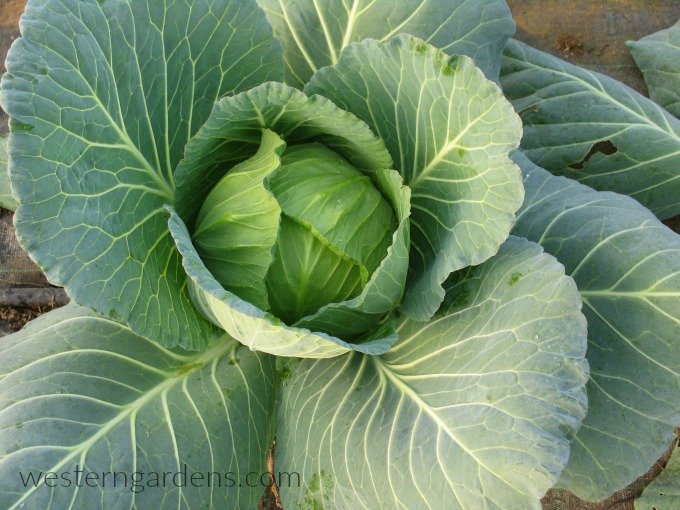
Cabbage –  Another cool weather vegetable, cabbage varieties can take anywhere from 55-100 days to grow to maturity. When choosing your variety, it’s important to look at your growing window and the predicted frost dates for your area. Like broccoli, cabbage does best in locations with sunlight and well-drained soil.

cabbage is a good green vegetable with lots of nutrients

Photo Credit: Pixabay

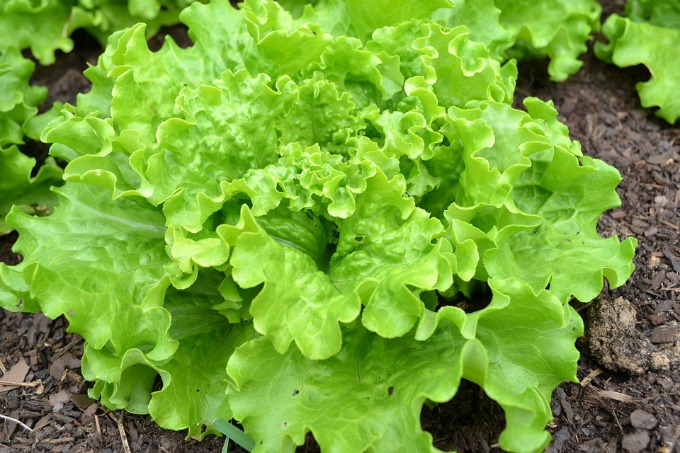
Lettuce – Lettuce is a quick growing vegetable that thrives, and often tastes better, when grown in the fall.  Lettuce plants will grow the fastest in full sunlight but unlike other fall garden vegetables, they can also tolerate shade. Lettuce can be grown in small spaces or containers but it’s important to make sure the soil is well-drained

five green veggies for fall planting includes lettuce

Photo Credit: Pixabay

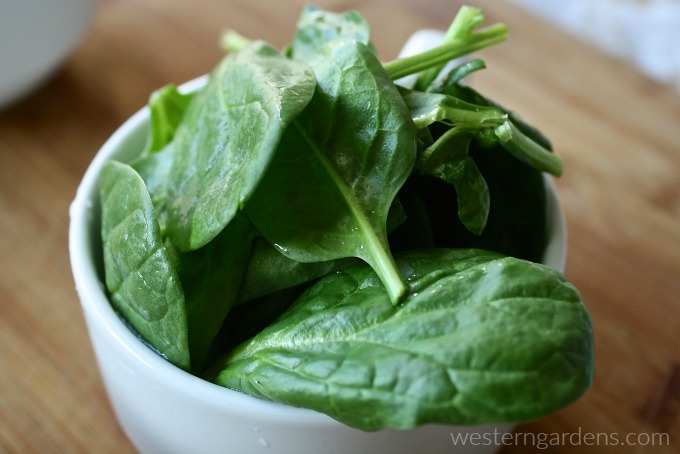
Spinach – Spinach is another cool weather crop that does well in the Utah fall. Spinach plants prefer full sunlight but will tolerate partial shade. Spinach is a fast growing plant and will yield many leaves in the mild, cool, fall weather. 

spinach should be planted in cool weather

Photo Credit: Pixabay

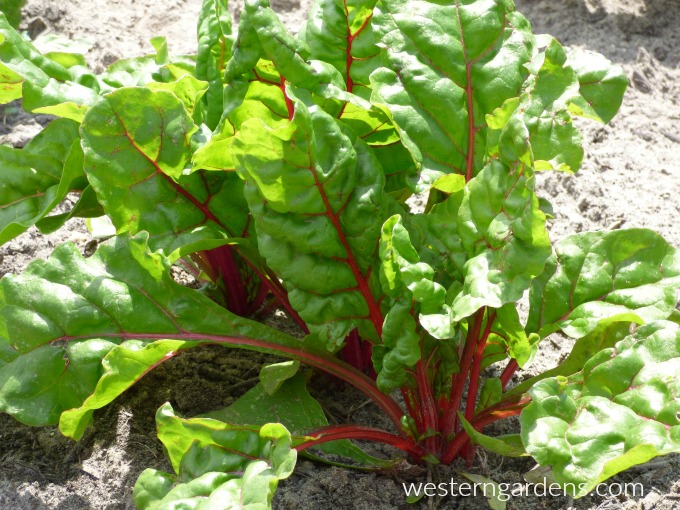
Swiss Chard – Swiss Chard is a plant that can be left in your garden without worry when light frost begins to appear. The leaves from Swiss Chard will add interest to your fall salads. Growing the plant in cooler weather, instead of in the high heat of summer, helps the plant avoid gaining a bitter taste.

swiss chard is a wonderful green veggie to plant in fall weather

Photo Credit: Pixabay

Your local independent garden centers, like Western Gardens in Salt Lake City and West Valley, Utah, will have the varieties of seeds and seedlings that will do well in the Utah climate.  Plan now and come see us.

independent garden centers know the best

Shop your local independent garden center!

Filed Under: Gardening, Vegetables Tagged With: broccoli, cool crop garden, fall planting, green vegetables, lettuce, swiss chard, Utah gardening, vegetables

Vegetables to Plant in July and August in Your Garden

July 20, 2017 by Heather Leister

Welcome Gardening Friend! Glad you dropped in.

It's not too late to plant a vegetable garden in July and August.

Was 2017 the year that you planned to finally get your family garden up and running? Maybe now you’re realizing that it’s July and all you have is a bare patch of soil and good intentions? Not to fear! You still have time to enjoy a fall harvest and make it a family affair! Here are some ideas of vegetables to plant in July and August in your garden.

Here are four fruits and vegetables that are fun to grow, yield a quick crop, and make gardening with the family easy and fun!

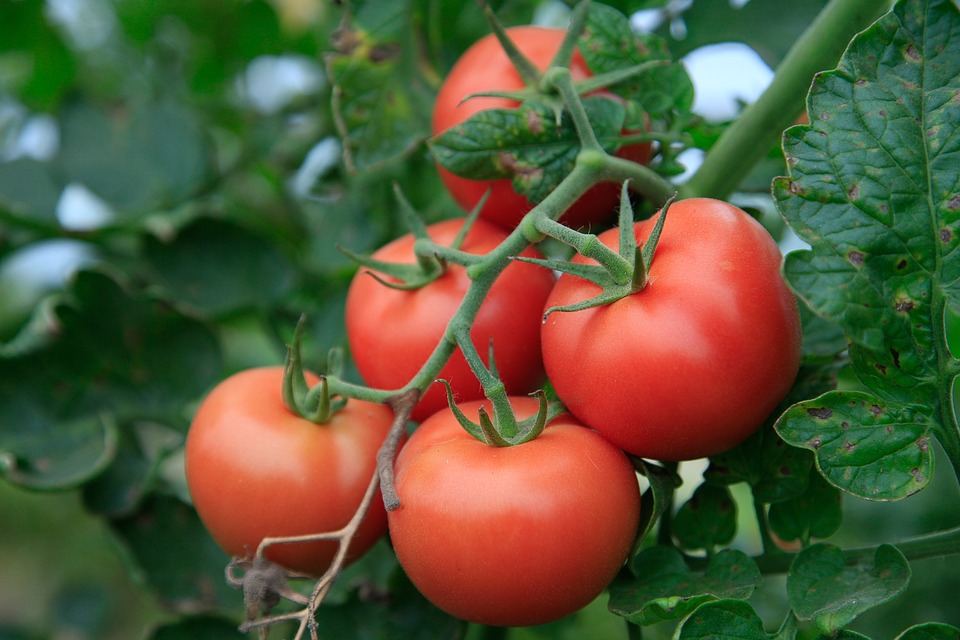
Tomatoes: Since tomatoes need to be planted after the danger of frost has passed they’re a possible choice for mid-summer planting. When July’s summer heat kicks into high gear, you’ll want to take precautions to protect the plants from the hottest part of the day, plus plant on a cloudy day or in the evening after the worst heat. Shade coverings, mulch, and adequate & consistent watering will help your tomato plants take off. When starting tomatoes later in the summer it’s also important to select a “short season” variety, one that will be ready for harvest before the fall frost arrives.  There are also some heat tolerant varieties as well, like Grape, Heat Wave II or Fourth of July.

Some varieties of tomatoes are good vegetables to plant in July and August in your garden.

Photo Credit: Pixabay

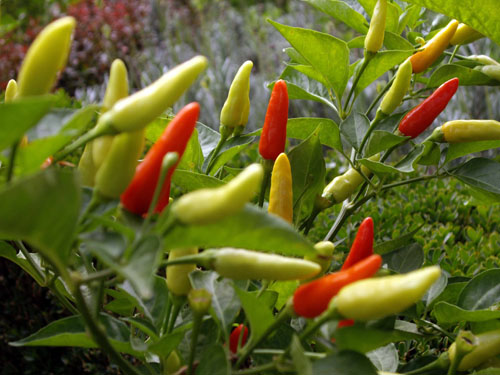
Peppers: Although pepper plants take longer to mature than other vegetables, their fruits can be fun for children (and adults!) to watch as they grow and change color. You’ll find varieties of pepper plants that have Days to Maturity time of 60-70 days.  Examples:  Orange Blaze, Gold Standard, Jalapeno Gigante, or Big Guy. Chick here for more.  Your garden center will also have some seeds and maybe some plants still available to browse through.  Find one that your family will enjoy eating, as well as watching! Remember that some varieties of peppers must be handled with care as they leave a residue on the skin that will cause irritation.

Find a fast maturing pepper to plant later in the season.

Photo Credit: Wiki Media

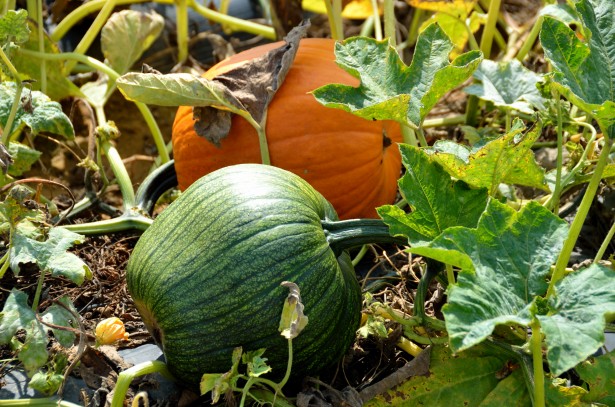
Pumpkins: Plant pumpkin seeds now and reap some jack-o-lanterns in the fall! But you better hurry!  Pumpkins generally require 75-100 days to maturity. Check the variety!  Hopefully we won’t have a frost until late October.  Your children can watch as the seeds grow into vines that will creep throughout your garden. When selecting your pumpkin seeds, think about the size of your available garden space. You’ll want to choose between between a variety of tiny pumpkins or larger ones that are best suited for carving jack-o-lanterns. No matter what you decide, pumpkins are fun and easy to grow and their seeds make a delicious, roasted treat in the fall.

pumpkins take a longer time to mature.

Photo Credit: Public Domain Pictures

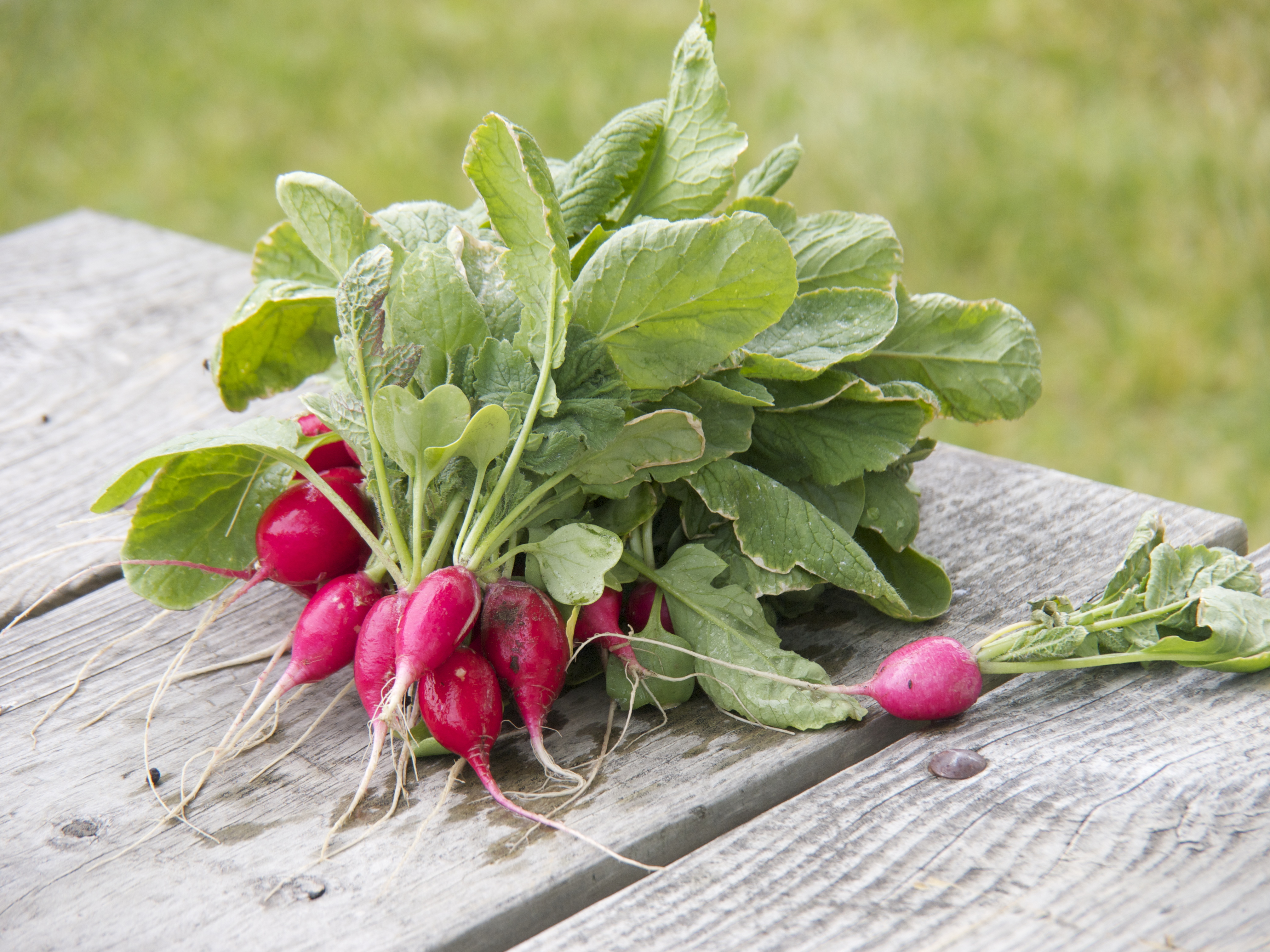
Radishes: Radishes are a terrific addition to the family garden because they are colorful, quick growers. Children can expect to pull up their first crop just a few short weeks after planting the seeds – a very quick garden turnaround! Your family will enjoy watching as the tops of the radish greens emerge from the soil. When they are about one week ole, radish plants should be thinned to approximately two inches apart a job that children can do after some instruction and coaching. Fast growing spring varieties of radishes should be planted when the weather is still cool. However, winter radishes can be planted later in the summer as late as mid-August.  They take longer to grow but will still provide your family with the satisfaction of planting a seed in the ground and pulling a vegetable out of the dirt!

Radishes are great vegetables to plant in July and August in your garden.

Photo Credit: Wikimedia

The 2nd Planting List:  Come on in to Western Gardens for an extensive list of  vegetables and herbs that can still be planted in July and August.  To name a few on the list:  arugula, cauliflower, carrots, cabbage, and many many more.


Filed Under: Gardening, Kids in the Garden, Vegetables, Veggie Gardening Tagged With: august vegetable garden, Family Garden, july vegetable garden, kids in the garden, late planting, peppers, pumpkins, radishes, second planting, tomatoes, what to plant

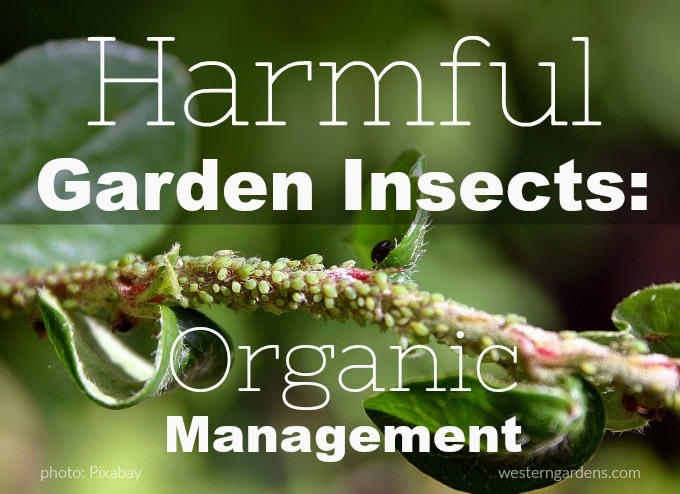
Harmful Garden Insects: Organic Management

July 18, 2017 by Marjorie Carter

 Welcome, Friends! Glad you’re here for some tips to organically manage those pesky harmful garden insects so you’ll have produce left to harvest!

Harmful garden insects can be managed organic methods

All yards and allotments will have harmful garden insects every year; it’s part of nature.  These insects need to eat in order to feed the beneficial insects.  Eliminating ALL the harmful insects from your garden would be time, labor, and resource intensive. You also run the risk of depleting the food source for beneficial insects and other animals that feed on the harmful critters.

Wise Goal – An important and wise goal is to control the harmful garden insects enough to reduce the damage to your garden to a manageable level.  Meaning that by harvest time, there is something left for you to eat.  Losing one or two tomatoes is manageable and probably hardly noticed, but an entire decimated crop means there’s a problem to address. 

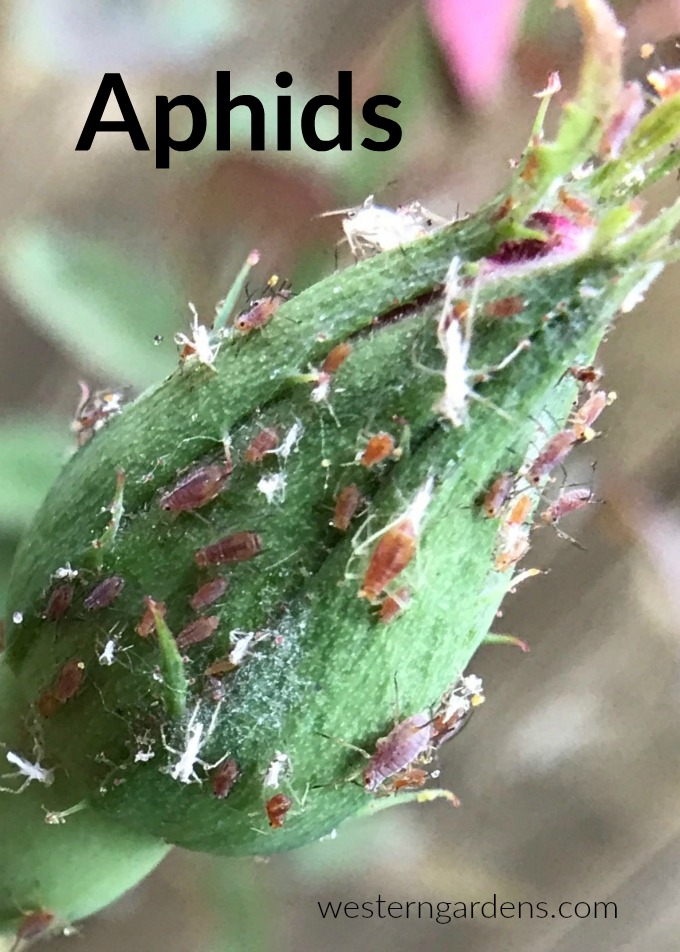
aphids are harmful garden insects that can be easily controlled

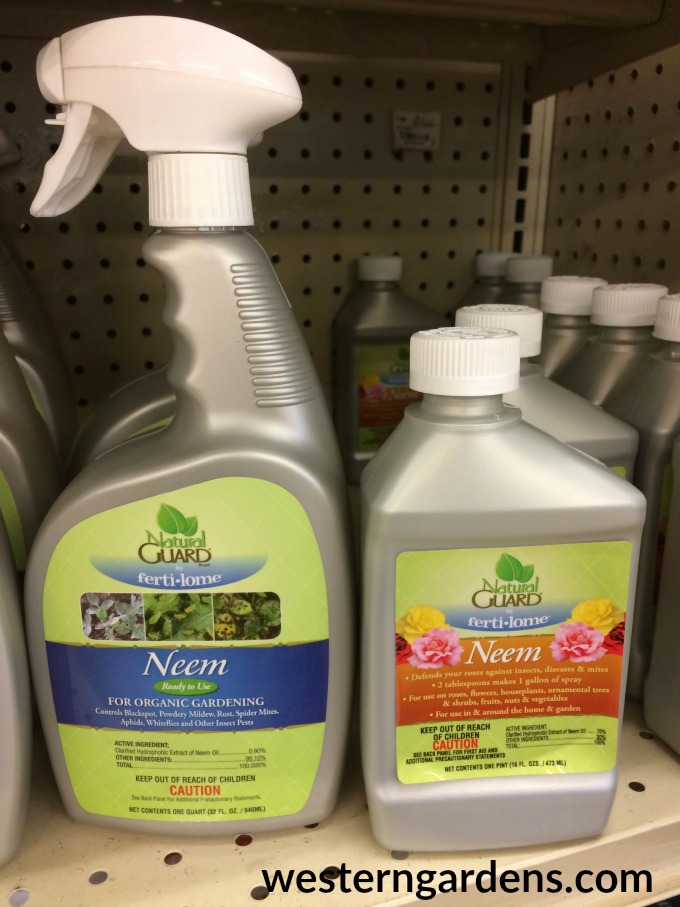
Aphids – One year we had aphids on our herbs which was easily treated by spraying the affected plants with neem oil, a wonderful organic product found at Western Gardens.  This significantly reduced the number of bugs.  They were further kept at bay by some helpful ladybugs, also found at your garden shop. 

Neem Oil is safe organic product. Read label

We were careful to thoroughly wash our herbs before eating them to remove any remaining aphids. Washing anything you harvest before eating it is always a good idea anyway.

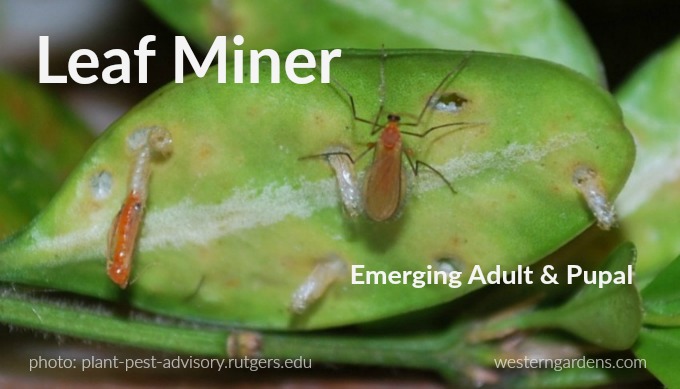
Harmful garden insects include the Leaf Miner

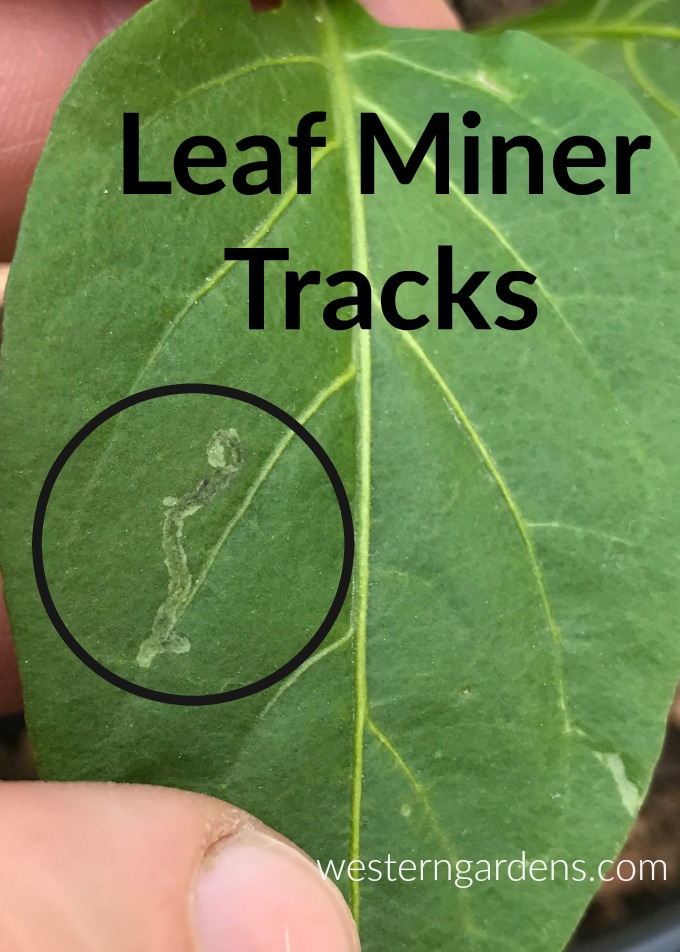
Leaf Miner – Last year, our challenge was leaf miner larvae on our Swiss chard.  In this case, we simply discarded any leaves that had been extensively chewed.  Otherwise, we snipped off the parts that didn’t look as appetizing, like anything that had a visible egg attached to it (usually on the underside of the leaves), washed everything, and then enjoyed our tasty green salad.

tracks of leaf miner on pepper plant leaves

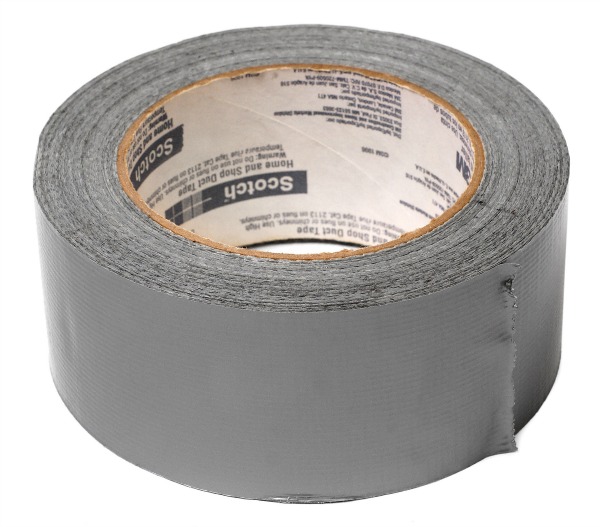
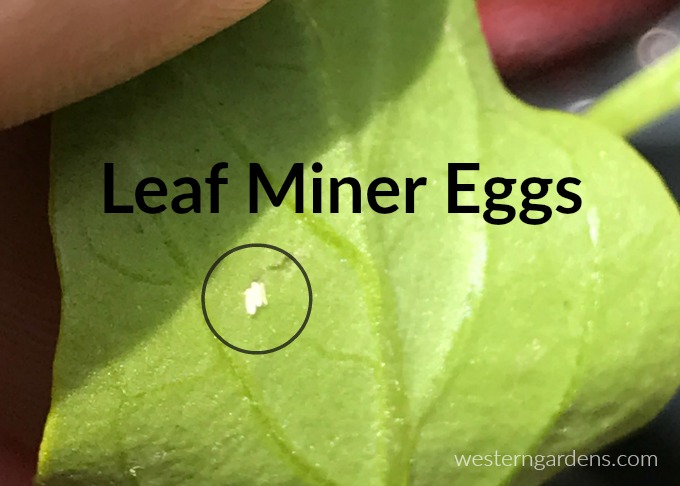
This year, now that we know to look for the leaf miner eggs on the leaves, we were more attentive with our starts for our garden and inspected them daily, looking for them or other harmful garden insects.  We found eggs on our pepper plants and did our best to remove them when the plants were small.  We used a piece of duct tape wrapped around a finger to remove the eggs.

duct tape wrapped around one finger helps lift off insect eggs from plants

We found that using a gentle fingernail was still too rough for the tender young leaves, so gently touching the tiny eggs with the sticky duct tape easily lifted them off.  

Eggs of the leaf miner on pepper plants

Once the plants were more mature and could withstand a little insect activity, we were less vigilant at egg removal, but still mindful of looking for eggs once in a while.  Read more on homemade remedies for treating leaf miners by clicking here.

harmful garden insects also include squash bugs

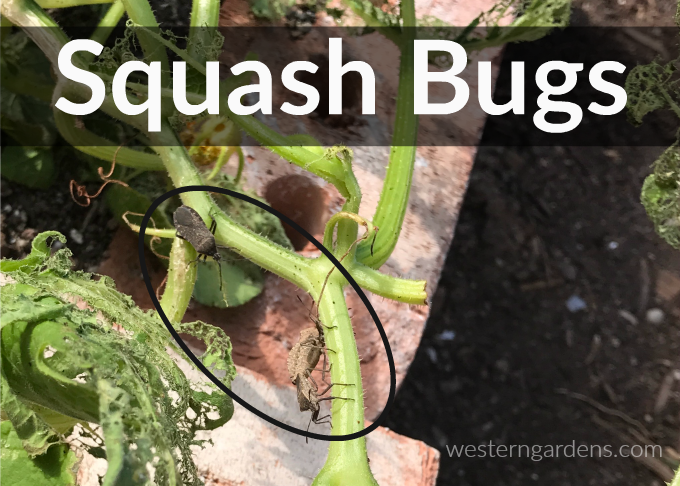
Squash Bug – This year, we planted pumpkins for the first time.  We had heard of the dreaded squash bug and had been looking for them but hadn’t seen any damage to the plants.  Then, just last week (late June), one of our pumpkin plants was nearly devoured overnight by something.

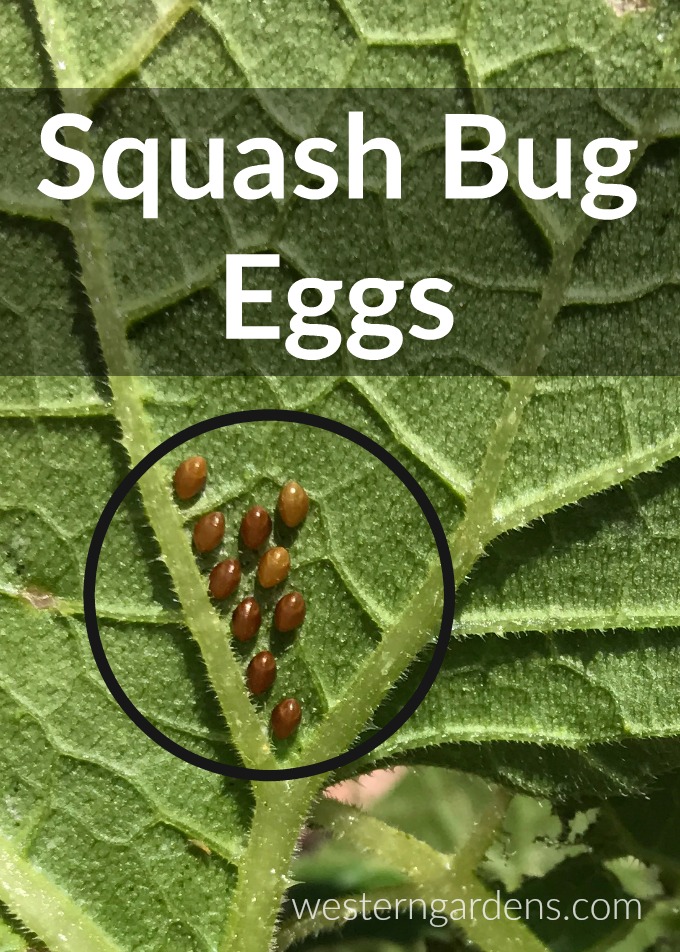
Squash bug eggs are easy to spot and remove.

We assumed it was the infamous squash bug.  This assumption was reinforced when, upon closer inspection of the plant, we found a mating pair of squash bugs with a third one waiting on the side-line and eggs attached to the underside of the remaining leaves and the stem. We posted photos of the damage to a Facebook gardening group and learned of some other likely culprits.  That night my husband went out with a headlamp and a bottle of neem oil to investigate.

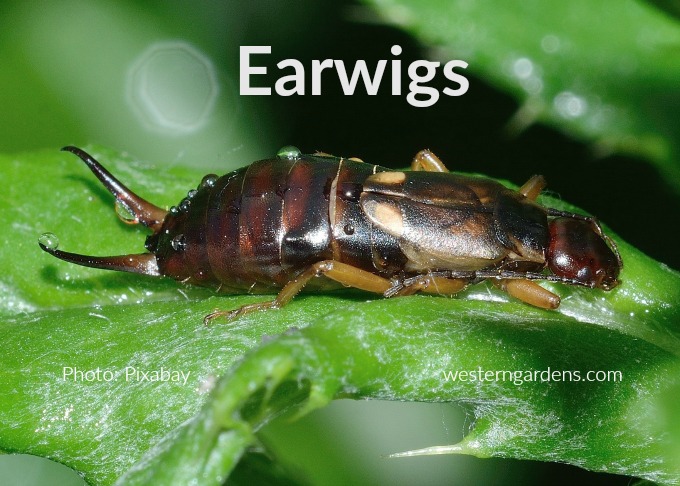
earwigs are harmful but also beneficial

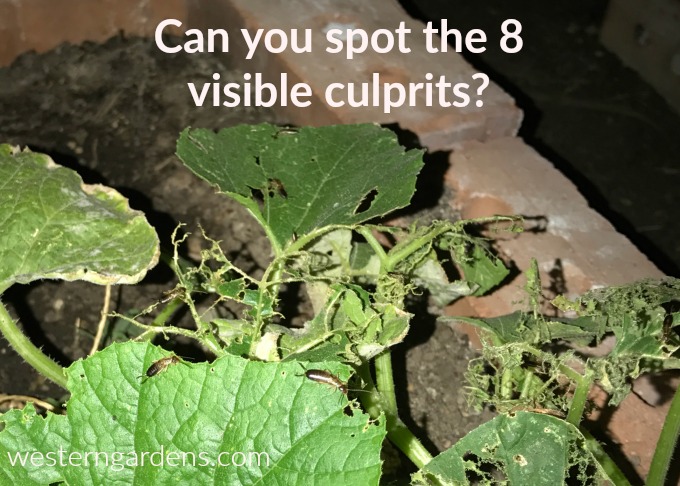
Earwigs – Someone suggested the damage looked like the work of earwigs.  My husband found several earwigs eating on the plant and a swarm of them hiding in a nearby crevasse. Earwigs are a complicated insect in the garden.  They are not only harmful, but also beneficial.  They aid in breaking down organic matter (composting) and they also eat aphids and other harmful insects. However, when there are too many of them around a young susceptible plant, they can be very destructive.  We could also see evidence of earwigs damage on a few leaves of nearby tomato plants.  This minimal damage doesn’t pose a risk to a plant that has hundreds of leaves to perform.  In comparison, the pumpkin plant had only a dozen leaves to start with and most of those were very damaged. 

earwigs eating pumpkin plant leaves

My husband sprayed neem oil on the earwigs on the plant, in the swarm nearby, and even in their nest. It’s still uncertain whether the plant will survive though it already shows signs of new growth. We monitor it closely to prevent another insect attack that would probably kill it.

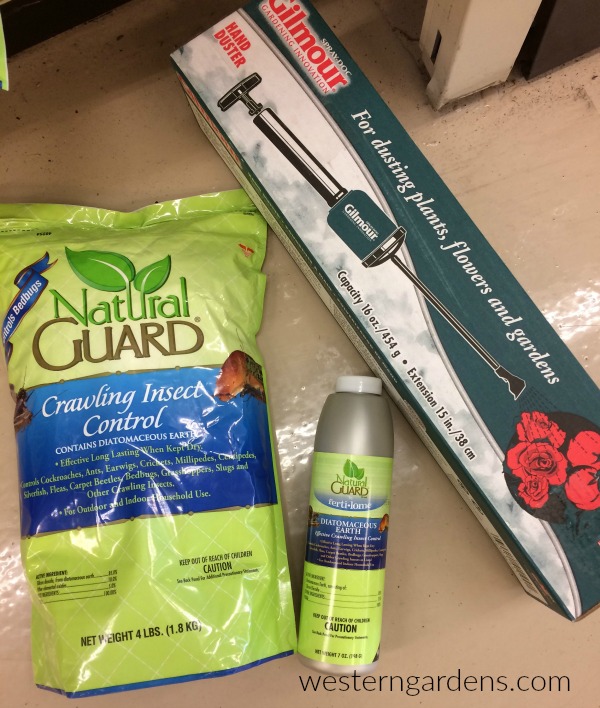
Another organic alternative that works to kill earwigs is diatomaceous earth, which also now offers a nice dispensing bottle which helps cut down on waste and mess.  Check it out at Western Gardens.

diatomaceous earth is a natural organic product to control crawling insects in the garden.

As for the squash bugs, not the main culprits to the pumpkin plant, they were probably snacking on it also.  We’re still removing eggs as we find them (using the duct tape trick mentioned above) and killing any adults.  Their numbers can quickly get out of hand. Again, diatomaceous earth works well to control squash bugs.

Beneficial vs Harmful Insects – Lady bugs, praying mantis, and birds are a few examples of creatures that feed on the harmful garden insects; hence, we like to see these around around the yard.  When considering how to handle any harmful garden insects, the first reaction should generally not be total annihilation.  Rather, try to reduce their numbers and also allow the beneficial insects and animals to do their part until the plant is mature enough to withstand the damage. 

Good luck and happy hunting!

CLICK HERE to read about beneficial insects you want in your garden.

10 beneficial insects you want in your garden! If you spot these in your yard, you're in good shape!

Filed Under: Flowers, Gardening, How To, Insects, Tips & How To's, Utah Gardening, Vegetables, Veggie Gardening, Yard Care Tagged With: Gardening, harmful garden insects, harmful insects, How To, organic management, organic pest controls, Utah gardening, Western Gardens

  • Go to page 1
  • Go to page 2
  • Go to page 3
  • Interim pages omitted …
  • Go to page 5
  • Go to Next Page »

Primary Sidebar

Shopping Cart

Items in Your Cart

Your cart is empty
Visit The Shop

Follow Western Gardens

  • Facebook
  • Instagram
  • Pinterest
  • YouTube

See what we’ve been pinning!

Follow Me on Pinterest
Followed by people.
?

Pinterest Badge by Skipser

Here’s What We’ve Been Up To!

Save water and money by Turf Training - train your lawn to grow deep roots
work at western gardens utah garden center
Senior gardening woman Edu Carvalho from Pexels
A Utah Guide to Vertical Gardening in square shape

Copyright © 2026. Western Gardens - Privacy Policy