Today I have a great tip for you–how to cut grape tomatoes quickly and easily! {Plus a to-die-for recipe that just happens to need grape tomato halves!} With this simple method I can cut a dry pint of grape tomatoes in less than a minute!

…
for what grows here
Today I have a great tip for you–how to cut grape tomatoes quickly and easily! {Plus a to-die-for recipe that just happens to need grape tomato halves!} With this simple method I can cut a dry pint of grape tomatoes in less than a minute!
…
Have you ever wondered how to water your lawn correctly? Think you’re watering too much? Not enough? Not at the right time of day? Or maybe you’ve never even thought about it! We’ve put together some pointers for you to cut out the guessing and save you water and money this summer! Because who doesn’t want to go green and save some green?!
 Climate and soil and sprinklers are different everywhere you go. When people ask us how long to water their lawn, it would be great to have a tidy, pat answer to give. But because there is so much variation even within the same area, the answer usually starts with, “It depends.” It depends on how well your soil drains, how much water your sprinklers put out, what time of day you water, and even how long your grass is! Even though there isn’t a one-size-fits-all answer for everyone, it isn’t hard to determine how much water to give your grass.
How Much Water Does My Lawn Need?
Lawns in the Salt Lake area need about 2 inches of water per week (not per watering). An easy way to see how much water your lawn is getting in a watering cycle is to place some straight-sided containers around your lawn. Empty tuna cans work great. Check them after the watering cycle and measure how much water is in them.
How Often Should I Water My Lawn?
If your lawn is planted in loam or clay soil, it’s best to water twice a week with one inch applied at each watering. Sandy and gravel soils won’t hold an inch of water in one watering, so they need to be watered a little more often (every other day works well with about 0.6″ applied each time).
When Should I water My Lawn?
Early Morning is the best time to water. Watering in the evening or late at night is not a good time because the lawn remains wet overnight and is more susceptible to fungus, and makes snails and slugs harder to control. Never water during the heat of the day—most of that water will just evaporate.
What Else Can I do to Save Water?
Set your lawnmower height as high as you can stand it. The longer the grass, the more shaded the soil will be, and the more moisture it will retain. Shorter grass doesn’t shade the soil as well and the heat of the summer sun will evaporate all the moisture you just worked to get in there.
 For more specific questions about your lawn or soil type, stop by one of our locations (Salt Lake, Sandy or West Valley) and talk to one of our helpful plant pros!
Follow us on Instagram for all the latest!

Raised garden beds have become very popular in recent years, and for good reason. Growing more food in less space with less work sounds too good to be true, but it’s not! If you are thinking about taking the plunge and building raised beds for your garden, we’ve included links to 12 different tutorials for raised beds.
Less Compacted Soil. Roots (and worms!) need air space in the soil to grow, so if you’re stepping in your garden beds, you are compacting the soil and destroying that important air space! For more information about compost and soil amending, see this blog post all about it.
Deeper Soil. The deeper the roots can grow, the healthier your plants will be and the better your harvest. It is often suggested to line the bottom of your garden box with cardboard or black weed barrier cloth, but this will prevent your roots from growing as deep as they want. Try it without and see how your garden grows!
Weed Control. Your veggies will be further from the grass and weeds in your yard, but you will also be able to plant more densely…crowding out weeds that would otherwise grow.
Grow More in Less Space (with less work!) Traditionally, our gardens have always had narrow rows for plants and wide rows for walkways. There is no real reason to design your garden this way, except maybe because it’s how your grandparents gardened. If you have wider rows for your plants, you can fit much more than if you were to plant single rows. Utilize your space more efficiently and you can grow more in your garden than ever before!
Here is a great link to another good article about raised garden beds and on how to build a raised garden bed.

Rectangle Garden Boxes | Vinyl Garden Boxes
 U-Shaped Garden Box | Narrow Garden Box
 Long Garden Boxes | Cinder Block Garden Box
 Garden Box with Brick Border | Tall Garden Box
 Rolling Casters Patio Box | Painted Garden Box with Cage
 Raised Garden Boxes | Vertical Pallet Planter
Let us know what kind of raised beds you have in your garden, or what you plan to try!
Happy Gardening!
Companion planting can help your garden flourish in ways it never has before. You can have healthier plants and a better harvest (and even control some garden pests!) by choosing with care which plants go together and which plants to keep apart. Companion planting isn’t difficult once you have a few basics down. This is, however, a very broad subject, so we’ll cover the basics here to get you started! Through companion planting you can:
{The list looks small, just click on it to enlarge!}

 One of our favorite combinations for the garden is one of our favorite combinations for the kitchen…tomatoes and basil! Basil will add subtle flavor to tomatoes, makes it more disease resistant, and repel aphids, fruit flies & house flies, and it will attract bees! If you missed last week’s recipe for
bruschetta, a simple but amazing combination of tomatoes and basil, be sure to pin it so you can make it this summer! We will keep bringing you weekly garden-fresh recipes to give some kitchen inspiration for all those delicious fruits and veggies!
Happy planting!
Flower pots are an easy, beautiful way to dress up your porch and yard. They add a great pop of color and a lot of interest, and you can try something new without a commitment to your landscape. We’ve put together a few tips to make your planters really stand out and look their best this Spring!


Check out our video, Mike will show you how to put it all together!
Flower pots are a gorgeous addition to any yard. We would love to see yours! Email your pictures to [email protected] for a chance to be featured on our Instagram account! {Or use the hashtag #westerngardencenter} Be sure to follow us @western_gardens if you aren’t already!

Edible flowers are a fun addition to a summer salad, are gorgeous when candied, and make beverages more beautiful. They are easy to use and add a special flare to your dish!

Some of the flowers on our list may surprise you. You might already have them growing in your yard without even realizing the culinary excitement that awaits! There are a few things to remember when cooking with flowers:

Borage is an annual herb (also known as starflower). Borage flowers are usually blue, but can also appear pink or white. They have a faint cucumber taste and are well-suited to salads, beverages and desserts.
Chrysanthemums have a mild flavor. Sprinkle the petals over a salad for a beautiful presentation.
Daylilies are slightly sweet with a mild vegetable flavor and work well for garnishes, desserts, or even deep frying! Use only the orange daylily.
Lavender has a sweet floral flavor and lends itself well to both sweet and savory dishes. Use it in desserts or stews, or simply use it as a beautiful garnish.
Nasturtiums are one of the most commonly used edible flowers. They have a sweet, peppery flavor. Beautiful as a garnish, in a salad, or even on an open-faced sandwich.
Pansies can be eaten whole (including violas and johnny-jump-ups). They have a sweet flavor and are good for use in salads, drinks and desserts.
Dianthus has a clove-like flavor and adds lovely color to a salad. Beautiful in an ice ring for a party, or freeze petals in individual ice cubes.
Roses are a staple in many yards, and perhaps soon in many kitchens! All varieties are edible. The flavor varies between types and colors, but they are generally fruity, with deep colors having a more pronounced flavor. Great for salads, garnishes, beverages, and many other culinary uses.
Scented Geraniums are ideal in desserts, drinks, and even frozen in ice. Flavor generally corresponds with variety. The Citronelle variety may not be edible.
Squash is possibly the most surprising member of our list. They can be eaten raw, sauteed in butter, or even deep fried! This is a great way to prevent waste if your plants produce more than you (and all of your neighbors!) can use.
*Please note: this list is not exhaustive. Many flowers are edible. This list contains our ten favorites. If you want to eat a flower that does not appear on this list, make sure to reference a reputable source to ensure its safety. Some flowers can make you sick.
Haven’t started thinking about your garden yet for this year? Still deciding if you should start your very first garden? Looking for some inspiration? Now is a great time to start, and we want to make it easier by giving you a few tips we’ve learned over the years. Whether you are a beginner or a seasoned gardener, you should find something helpful!

There are as many good gardening ideas as there are gardeners. If you have a great tip you want to share with us, please leave us a comment! We might just feature you in an upcoming blog post!
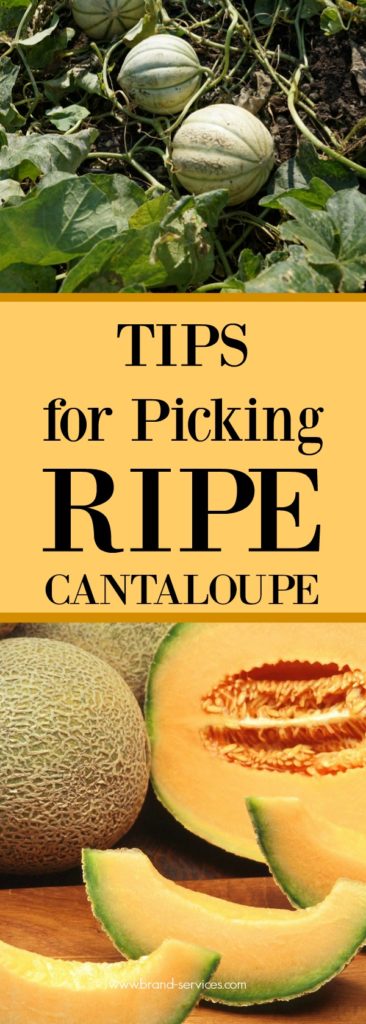
If you’re like me, you can use some tips for picking ripe cantaloupe, because it can be hard to tell when it’s ready to eat!
I used to think I didn’t like cantaloupe very much. And I guess I didn’t really. My problem was that I was eating bland, dry, flavorless cantaloupe that I bought on sale somewhere. I learned my lesson and discovered how to choose or pick a cantaloupe that is ripe and ready to eat. Now when I’m either picking fruit at the store or from my own garden, there are some simple tips to help you spend your money and time wisely.
Follow these simple tips to choose a melon that is ripe and ready to eat.
Now when I eat cantaloupe, it is like a little slice of heaven. Fresh from my garden, picked right off the vine. It is heavy, fragrant, so very juicy, and still warm from sitting in the sun in my happy little weed-filled corner of the world. This is what makes me love to garden. And what makes me love to eat!
Perfection!
We asked for ideas to involve kids in the garden, and had such a great list of thing to do that we had to share! I’ll definitely be using some of these to get my kids excited about gardening. Thanks to everyone who contributed!!
 Becky–I pay my kids a penny per rock to get all the little rocks that creep into our garden from our neighbors yard. Sometimes I pay them a penny per dandelion head too!