• Skip to primary navigation
  • Skip to main content
  • Skip to primary sidebar

Western Garden Centers

for what grows here

  • Home
  • How To
  • Gift Cards
  • Calculate Mulch
  • Locations
    • Store Hours
    • About
    • Garden Shop Employment Team
  • Weddings
    • Salt Lake City, UT
    • West Valley, UT
  • Blog
    • Gardening
    • Recipes

Utah gardening

Differences between Perennials and Annuals – What’s Best for My Garden?

May 5, 2017 by Becky

WELCOME FRIENDS, Come learn with us!

difference between perennials and annuals

image: Pixabay

As a novice gardener, I need to know what is the difference between perennials and annuals?  Whenever I went to the nursery, I was confused by the terms “annuals” and “perennials.”   When choosing plants for your garden it’s important to know the difference, so I thought I would share some of what has made it easier for me to remember.

Annuals

Annuals are plants that came from seeds earlier this spring.  You can plant them as seeds or you can purchase them as seedlings or starts in flats and pots.  Annuals usually bloom the entire summer until frost kills them.  They don’t survive the winter.  I remember the plants that are annuals because I have to buy them “annually.”

However there are exceptions, some tropical plants are perennial in a tropical climate, but in Utah’s colder climate, they are annuals.  They die every winter and need to be replanted as a new plant.  Geranium, Impatiens, and Bougainvillea are good examples of annuals.
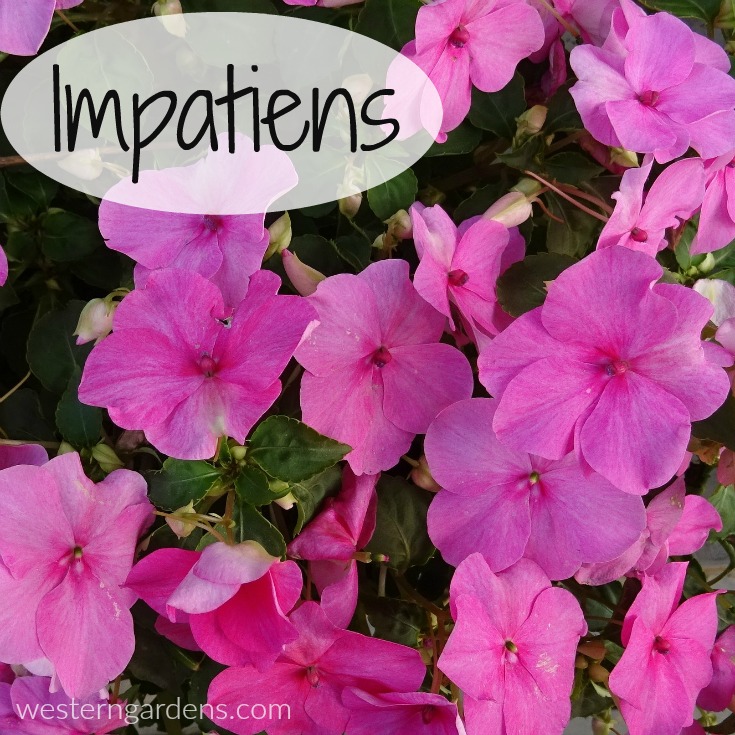
impatiens are annuals in salt lake city

Image: Pixabay

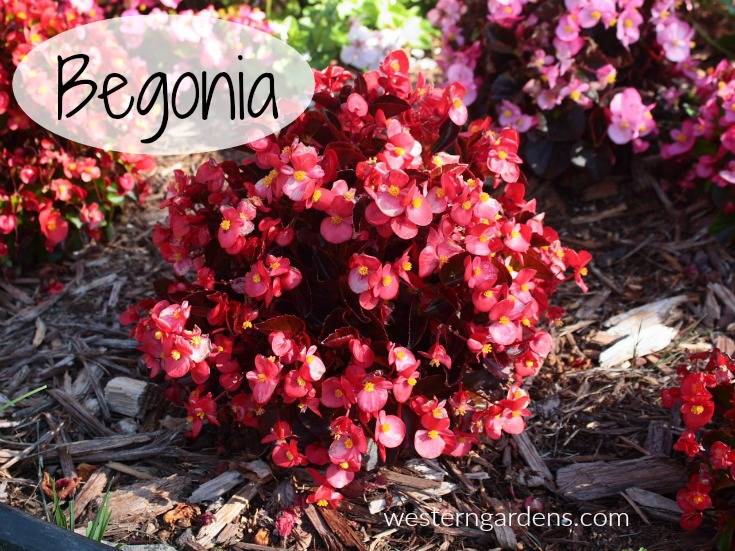
Begonia annual in Utah

Image: Pixabay

Perennials

Perennials that do well in our climate are a different story.  Perennials survive our Utah winters in the growing zone 5.  They bloom again year after year.  The tradeoff is that perennials have a definite blooming season and don’t bloom all summer long.  Usually they bloom from a couple of weeks to a couple of months.  There are many varieties from evergreen, to shade tolerant, or even drought tolerant.  Most die to the ground in fall or winter and spend most of winter dormant.  Most perennials like well-drained soil with plenty of organic material in it.
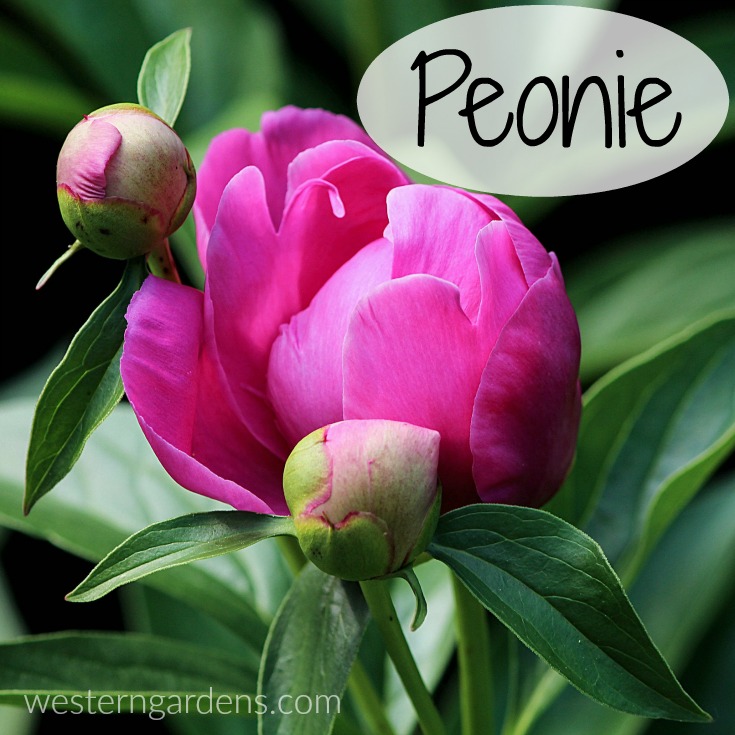
Peonie perennial in Utah

Image: Pixabay

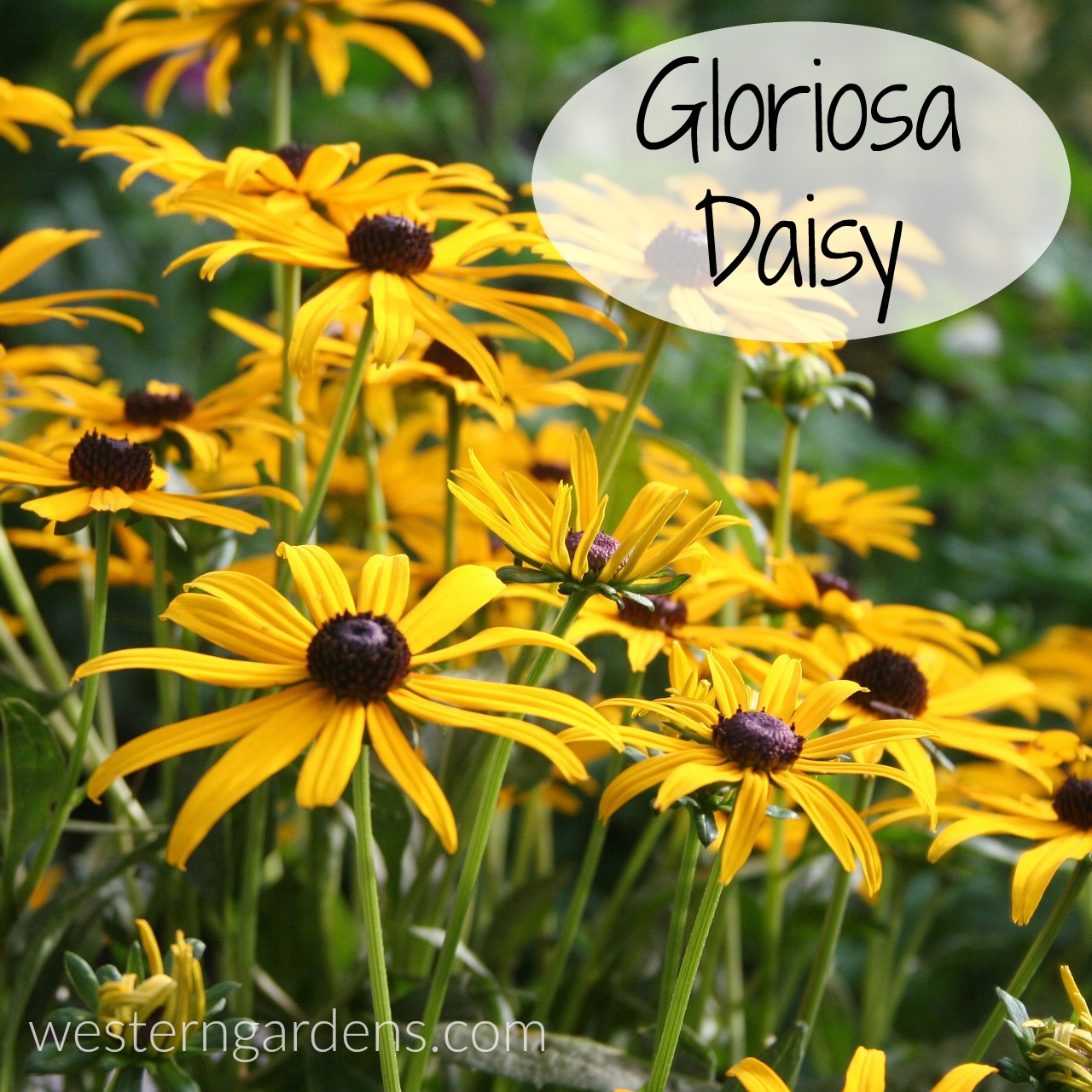
Gloriosa daily perennial

Image: Pixabay

So basically, that’s the difference between perennials and annuals. How long they survive in the climate zone you live in.  In the Salt Lake Valley, we are usually a zone 5, and sometimes can be a zone 6, so be sure and talk to one of our expert gardeners to make sure you get the perfect plants for your soil and landscape.

A Word about Placement

Placing a plant in a good site, in a place it will thrive, is one of the most important differences that will make your flower garden successful.  In my yard I have hot, sunny sites, cool shady sites, and everything in between.  I am always careful not to place a plant that prefers shade, like a Hosta, Fern, or Begonia in a hot sunny spot because it will do poorly.  A hosta in the sun will show it’s displeasure with burned, scorched leaves.  However, planting a peony, Petunia, or Sunflower in the shade will not produce good results either.  Any of our gardeners can help you identify which plants do best in sun, shade, etc.

A Word about Soils

Most soils in Utah are either clay or sand based (like my garden) and will do very well with some organic amendments.  For perennials create a 50/50 mix with existing soil.  For annuals simply spread a 2-3″ layer of organic amendment evenly on top of the existing soil, then dig or till it in.  The hole for perennials should be about twice as wide as the container and an inch or so less in depth.  Place the plant in the hole after popping it out of the container.  If it’s root bound (lots of white roots wrapping around the soil ball), use a short blade utility knife to make a few shallow, vertical cuts around the root ball to stimulate new root growth.  Press the root mass into the hole to make sure there are no voids under the roots and water well using a root starter (we can help you with that at Western Gardens too).

Come see us!

Our garden experts at Western Gardens have a lot of great suggestions to help you get your flower garden blooming all summer long.  From root starter to organic compost, we have everything you need.  Be sure to visit us on Facebook for specials and daily tips.

What do some of you expert gardeners do to keep your flowers strong and healthy.  Feel free to share your experiences here too.

Post revised by Wendy P 5/2017
Filed Under: Annuals, Flowers, Gardening, Perennials, Tips & How To's, Utah Gardening Tagged With: annuals, flowers, Perennials, planting flowers, utah annuals, Utah gardening, utah perennials

Plant Peas – Our Favorite Varieties

April 26, 2017 by Marjorie Carter

Our favorite garden varieties of peas from the gardenEach year as we get to the last few weeks of winter, my husband and I watch for the first day when it is warm enough for us to work outside in our garden for a few hours so we can plant peas.  We can’t wait to get them in the ground!  Though along the Wasatch front, we typically don’t plant until March, we’ve planted them as early as mid-February (straight in the ground; no greenhouse) and still had great success. Peas are a cool weather plant that needs little attention beyond watering and harvesting.  They tolerate snow and light frost so don’t be afraid to plant peas early.
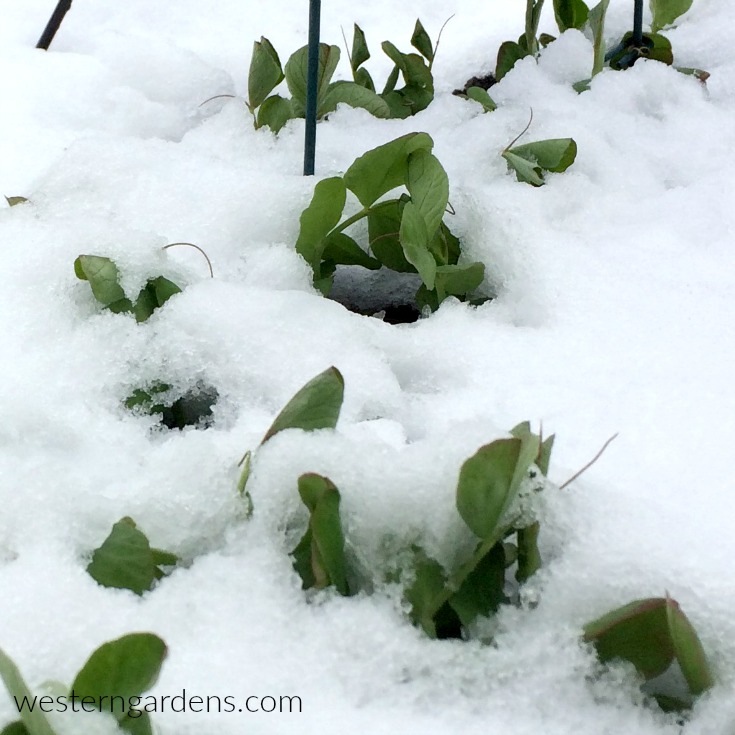
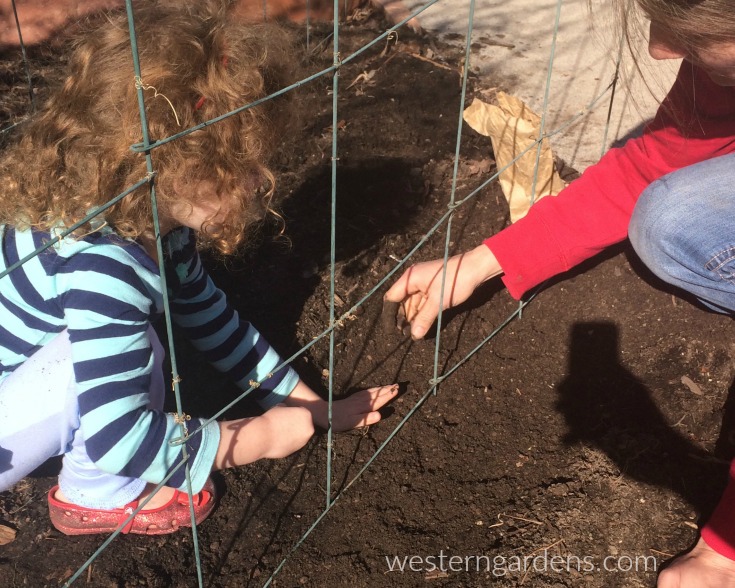
KIDS & PEAS … Planting peas is a great activity to do with young children.  The seeds are a real bonus to work with:

  1. They are large enough that they are easy for small fingers to pick up.  
  2. They are also easy to find after the inevitable spill.
  3. Planting is as simple as sticking your finger in to the ground, dropping in a seed, and covering with soil.  

Again, the size of the seed made this something I could do with my 18 month old.  She has helped plant every year since and even gets upset if she thinks she’s being left out of the planting process for the peas.
little girl planting peas with her mother

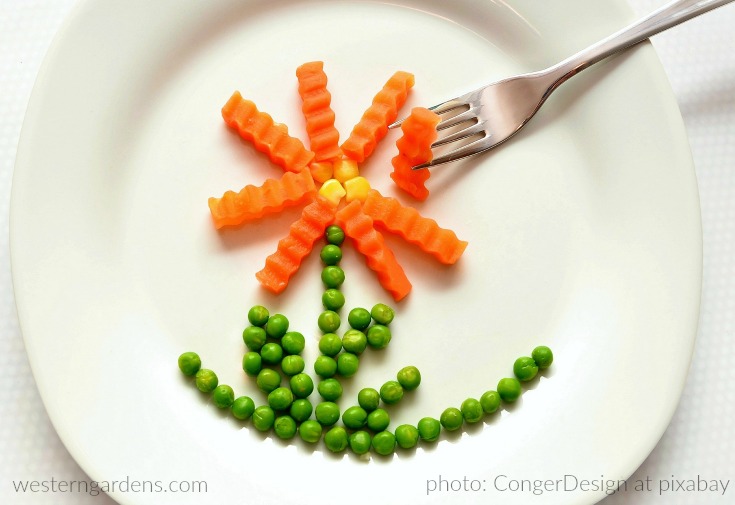
Peas and carrots on dinner plate - photo by CongerDesign - Pixabay CC0 license

Fun idea to see and eat the peas the children grow. That is if you can get any that far into the house from the garden!

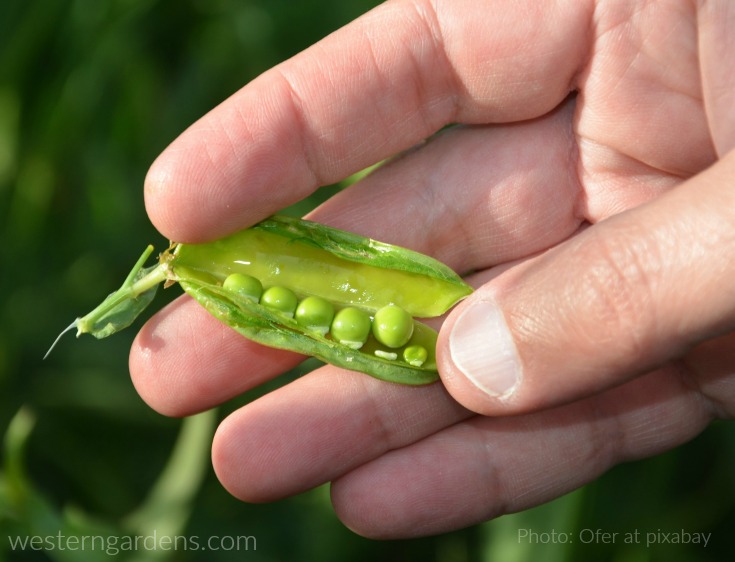
FRESH PEAS IN THE GARDEN… My husband will only eat shelled peas that are freshly picked from the garden.  If they’ve been cooked, frozen, canned, or otherwise tampered with, he will not touch them.  (He’ll eat snap peas in stir fry). When our daughter was very young, we’d go out in the garden to pick peas and she’d eat as many as we’d give her.  Her preferred method was eating them straight out of our hands. She will still eat as many as she can get her hands on, but she’s big enough to do the picking and shelling on her own now.  

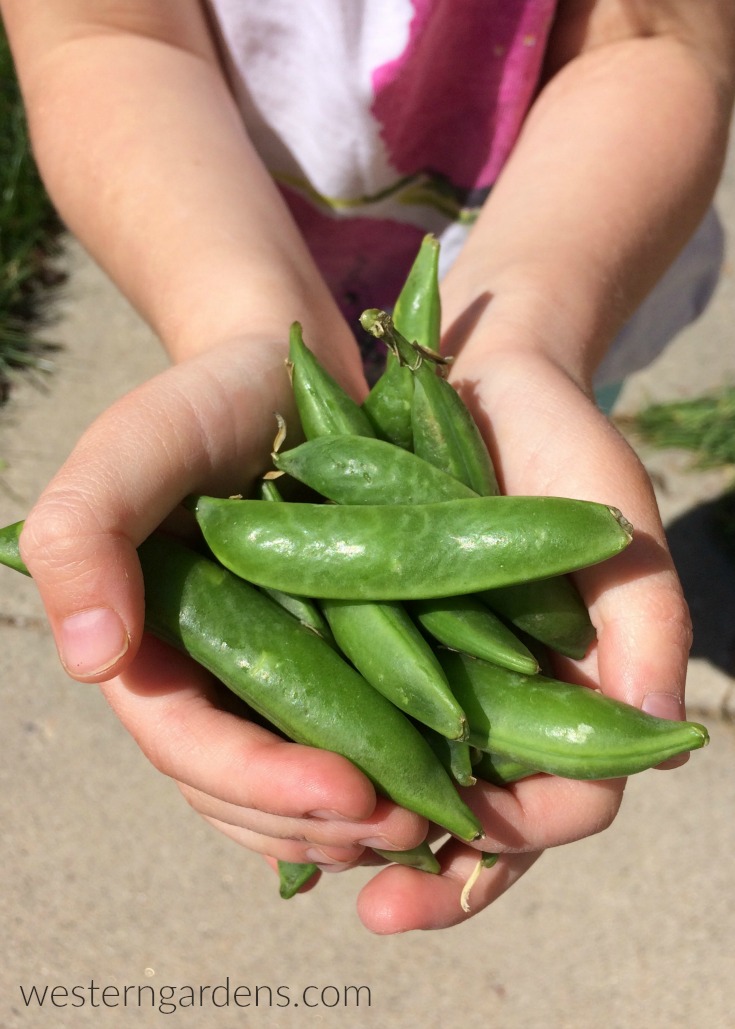
plant peas to eat by the handful

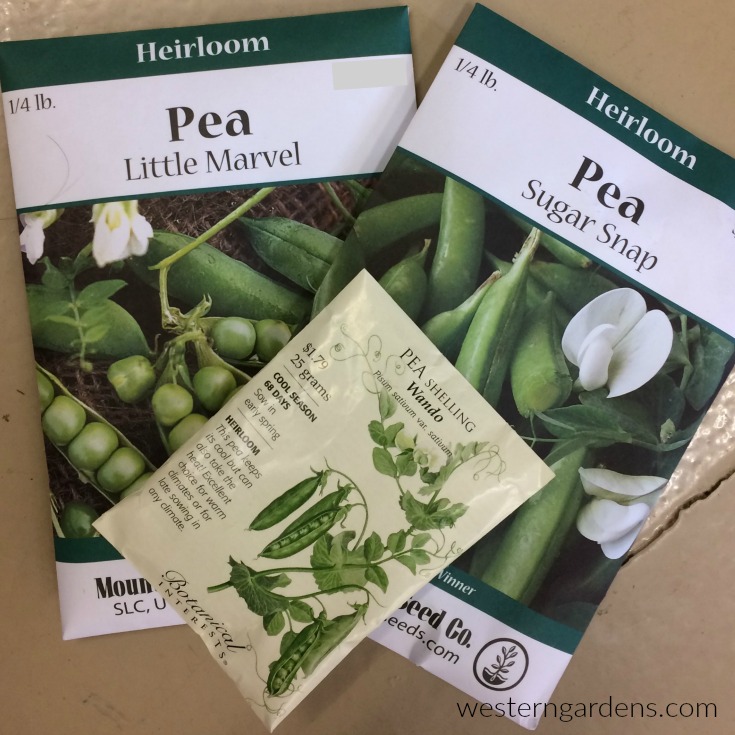
OUR FAVORITE VARIETIES…We’ve tried lots of varieties of peas over the past several years (Green Arrow, Alaska, Snap Peas, Little Marvel, Blue, and more) and have found that our favorites for flavor and abundance on the vine are Little Marvel (a shelling pea) and Snap Peas (edible pods, no shelling required).  We also grow Blue shelling peas because their flower is so beautiful. If you’ve never seen a blue pea, the flowers are purple and white and the pea pods are a dark purple/blue color, making them easy to find on the vine.  Buy quality seeds from your local garden center like Western Garden Centers in Salt Lake City and West Valley, Utah.

Find quality seeds of peas to plant at Western Garden Centers, garden shop in Utah

DID YOU KNOW… Peas are one of the oldest known vegetables.  Archaeologists have found them in ancient tombs at Troy and Thebes. Dried peas keep indefinitely.  This allowed them to survive the ocean voyage to become one of the first crops grown by English colonists coming to North America.

DID YOU KNOW… Peas are “nitrogen fixers”, meaning they take nitrogen from the atmosphere and convert it to ammonia (which is chemically comprised of nitrogen and hydrogen), thereby making the nitrogen available to other plants and organisms in the soil.  This means peas are a great spring crop because they naturally help fertilize your soil prior to planting other garden fruits and vegetables that need nitrogen in order to thrive (think tomatoes!).

TIP:  To maximize this benefit, at the end of the peas’ growing season, trim the plant off at the soil line instead of pulling them out, leaving the roots behind.

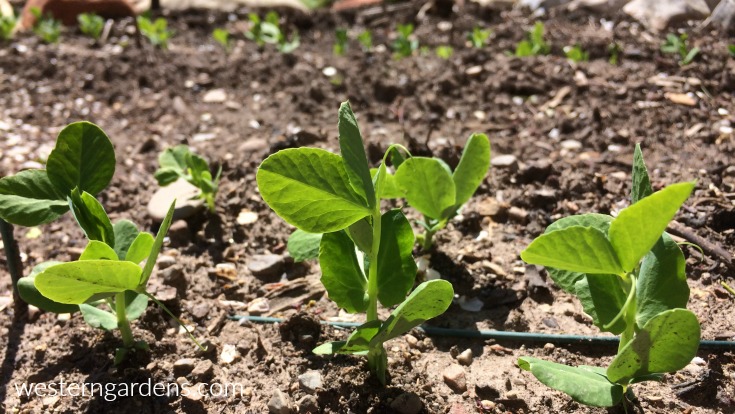
GROWING TIP … A friend suggested presoaking the peas prior to placing them in the soil.  This will soften the seeds and allow them to germinate more quickly. Soak for around 12 hours, no more than 24, before planting.  We tried it this year because we wish our peas would sprout sooner.  It worked!  Our peas were sprouted and broken through the soil less than 10 days after planting them, instead of 2 weeks or more.  We look forward to eating our peas that much sooner this year!  

Rows of planted peas coming up in the vegetable garden

FALL PLANTING … After the summer heat is gone (about Labor Day), plant peas again for a fall crop.  Read the package of which variety will produce according to the time you have.

Hmm…  Sounds like something new to try with our garden this fall.

Eat peas straight out of the garden


Filed Under: Gardening, Kids in the Garden, Tips & How To's, Utah Gardening, Vegetables, Veggie Gardening Tagged With: blue shell peas, cold hardy vegetables, cool season vegetables, garden peas, little marvel peas, peas, plant peas, snap peas, Utah gardening, zone 5 peas

Garden Grow Box – Kids Friendly

April 11, 2017 by Vanessa Roush

WELCOME GARDEN FRIENDS, HAPPY TO SEE YOU!

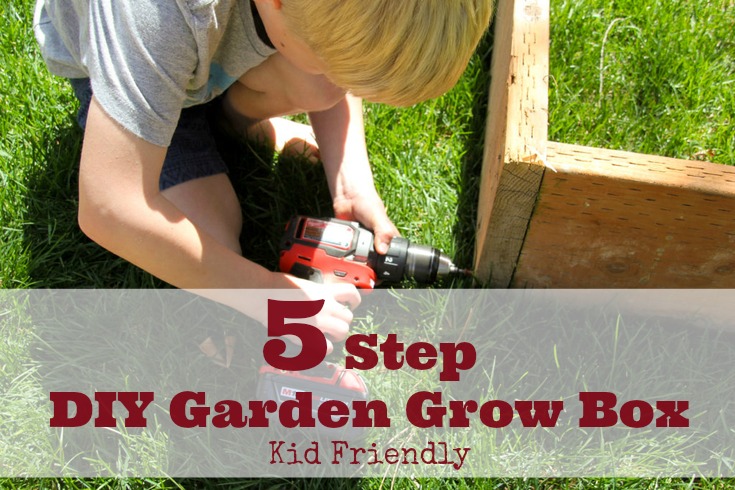
Garden Grow Box DIY with kids

Want to have a garden this year? Wondering where to begin? Start with this simple garden grow box that you and your children can create together.  Here are some simple guidelines that worked for me.

Before heading to your local lumber yard,  decide what size of box you want or have room for. For this example, we are building a 4 foot by 6 foot box, which is a great size just right for the new little gardeners who will help to create it.  However, you can make it the size that fits the space you have.

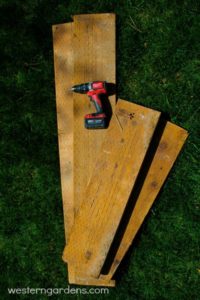
Garden grow box SUPPLIES:

garden grow box supplies needed.

SUPPLIES: 2 10′ boards cut into 2 six feet and 2 four feet lengths. Smaller hands can handle the 4′ boards!

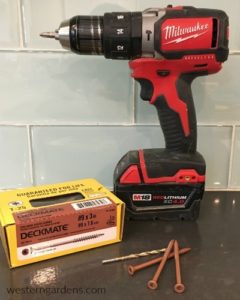
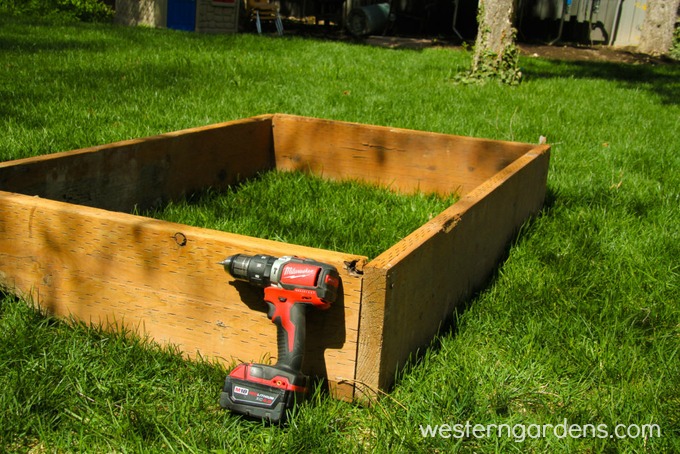
SUPPLIES: Deck screws, drill bit, power drill and/or screw driver, and those helping hands.

1. Two 2’’x8’’ x 10’ long pressure treated beams: (approx. $14 each) Make sure they are straight by pulling them out and looking down the side of them. Also make sure they aren’t severely bowed or have big knot holes. If you don’t have a chop saw at home, have someone at the lumber yard cut both of your boards at 6’. You will be left with two 6’ pieces and two 4’ pieces. This also makes it easier to transport them home. You can also rummage through your scrap wood at home and see if you have something that is at least 6” in depth.

2. A package (or at least 12 pieces) of #9 2 1/2’’ Deck screws: (approx $10 or less) You could also use #10 3’’ screws. They come in a few different colors so you can get a box to match the wood so they are less noticeable. Most of these screws have a star driver head.  Some boxes come with a bit to fit them, but check just to make sure.

3. Drill bit a little smaller than your screws (optional but highly recommended):  For a #9 screw, a drill bit size of 3/32 is recommended. Pre-drilling holes prevents the wood from splitting and ruining the board. If this sounds like Greek to you, take your screw and look for a drill bit that is slightly smaller in diameter. Or ask someone at the lumber store; they’d be more than happy to help!  This is an essential step if you’d like to involve kids. You pre-drill the holes, and then let the child drive in the screws.

4. Weed block or Landscape fabric:  If you have an area that is prone to a lot of weeds, put down some weed block or landscape fabric before you set your box in place.  Layers of old newspaper in the bottom of your box can work too.   Another option is to spray the weeds using Killz-All or Weed-Free Zone.  If you do this, make sure not to cover the sprayed weeds for 7-10 days giving the chemicals time to kill the weeds.  There is no problem using these products on edible vegetable gardens.  The product only works to kill the unwanted plant via the plant’s leaves.

5. Power Drill and/or Screw Driver.

Garden grow box ASSEMBLY:

Putting the box together is easier if you have an extra set of hands, but some rocks or a wall will do if you’re doing this project solo. Enlist the help from a child by asking them to hold one of the boards up for you. The box can be assembled in a few different ways, or styles.
Option A:  Assemble each board on the outer part of the corner on one end, and then inner part of the corner on the other.

Option B:  Assemble the shorter 4′ boards on the outside of of the 6′ boards or vice versa.

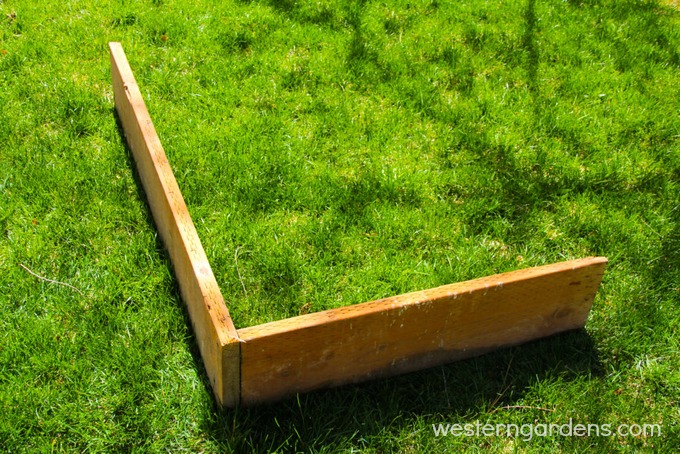
Step 1: Take a 6’ board and a 4’ board and put them together at a right angle. Make sure they are flat against each other. Using your drill bit, pre-drill 3 holes in a line at the top, middle and bottom of the side.

Step 2: Then switch to your screw bit or use a screw driver and drive 3 screws into the holes you just drilled. You should now have two boards creating a right angle or an “L” Shape.


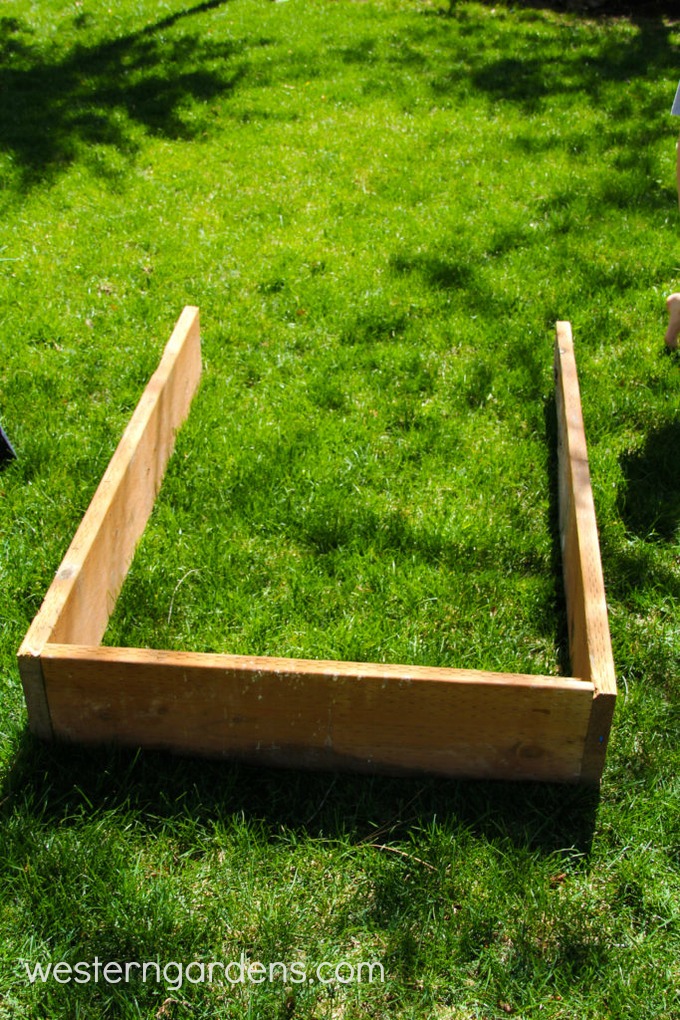
Step 3: Now add the other 6’ board and repeat the pre-drilling and driving the screws.


Step 4: Repeat with the last 4’ board.


Step 5:  Set your box in its place.  To help cut down on weeds, place a layer of landscape material from your independent garden store.

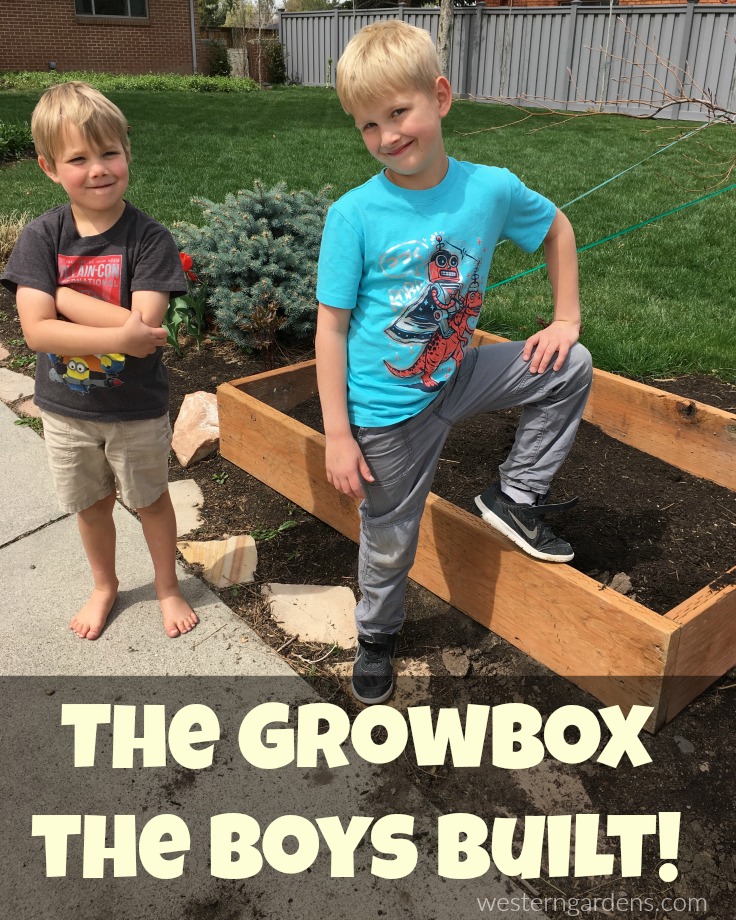
simple garden grow box built by kids

The fun has just begun. Fill with quality soil and get those seeds and plants ready! The box is!

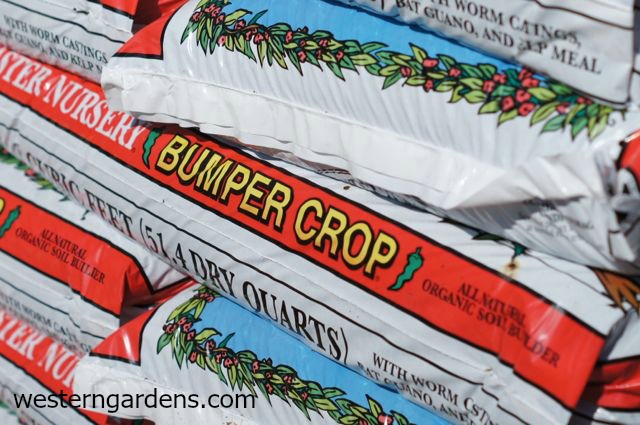
Now you are ready to fill with a high quality dirt.  Bumper Crop from your local independent garden center, like Western Garden centers, is an experienced gardener’s favorite!

Bumper Crop for your soil is a gardener’s favorite.

Stay tuned for the next episodes of this Kids in the Garden experience.  Their love for gardening is growing, but see what plants these two choose to grow in their grow box!


Filed Under: Container Gardening, Gardening, Kids in the Garden, Tips & How To's Tagged With: building a grow box, bumper crop, DIY grow box, Garden Boxes, grow box, Independent garden centers in Utah, kid project, kids in the garden, Raised Garden Beds, raised garden box, raised vegetable garden, Utah gardening

utah gardening to-do list in April

April 2, 2017 by Wendy Pettit

Utah Gardening To-Do List in April | Easy Garden Tips | How to Garden in Utah | Beginning GardenerFeeling overwhelmed with so much to do in your yard?   Wondering where to start? lawn? vegetable garden? flower beds?  Check out our helpful Utah Gardening To-Do List in April for the Wasatch Front in Utah.  If you live in a similar growing season, this list can work for you too.
Realize that you may not need to do everything on this list; skip over those that do not apply to your yard.

Take the entire month to do the list.  None of us can do it all in one day off.  Enjoy the process of being out in your yard and digging in the soil.  In other words, stop to smell the roses or other blooms this month.

If you need some inspiration, stop by your local independent garden center like Western Gardens in West Valley or Salt Lake City.  We would love to show you our #1 quality material, expert knowledge, and friendly personal service to inspire and help you be a satisfied and successful gardener.  Your success is our success.

Press HERE for the April Gardening To Do List.

Here are a few blooms at Western this last week.

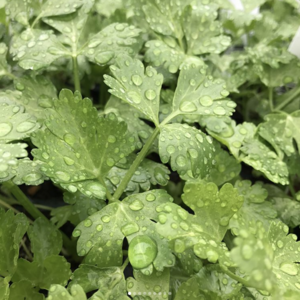
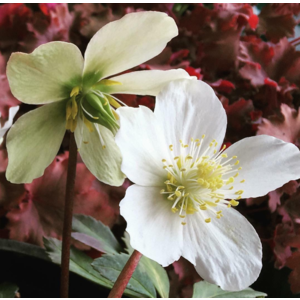
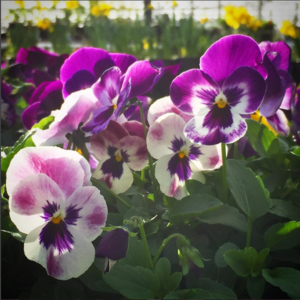
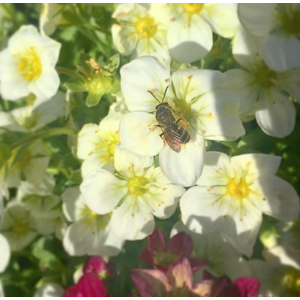
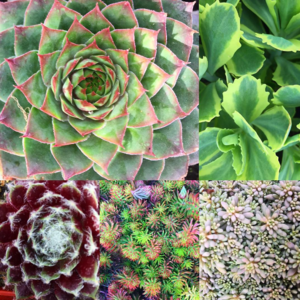
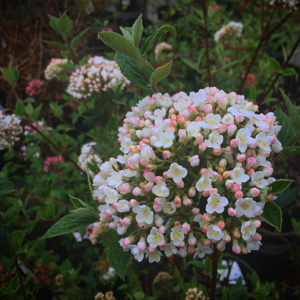
geum bloom at western garden centers utah utah hellebores at western gardens celery starts on a rainy day at garden center salt lake city western gardens shipment of heuchera pansies of all colors at garden center in utah buttercup primrose blooms at western garden centers utah bees love saxifraga at salt lake city western garden centers unique succulents at salt lake and west valley city garden centers burkwood viburnum in bloom west valley western gardens

Drop in and see more!


Filed Under: Gardening, To-Do List, Utah Gardening Tagged With: april gardening to do list, april gardens, burkwood viburnum, buttercup primrose, garden centers in Utah, gardening to-do list, hellebores, heuchera, local independent garden centers, pansies, primrose, saxifraga, succulents, Utah gardening, utah gardening april, utah gardening to-do list in april, viburnum, Western Garden Centers, Western Gardens

Beneficial Insects You Want in Your Garden

September 15, 2016 by Vanessa Myers

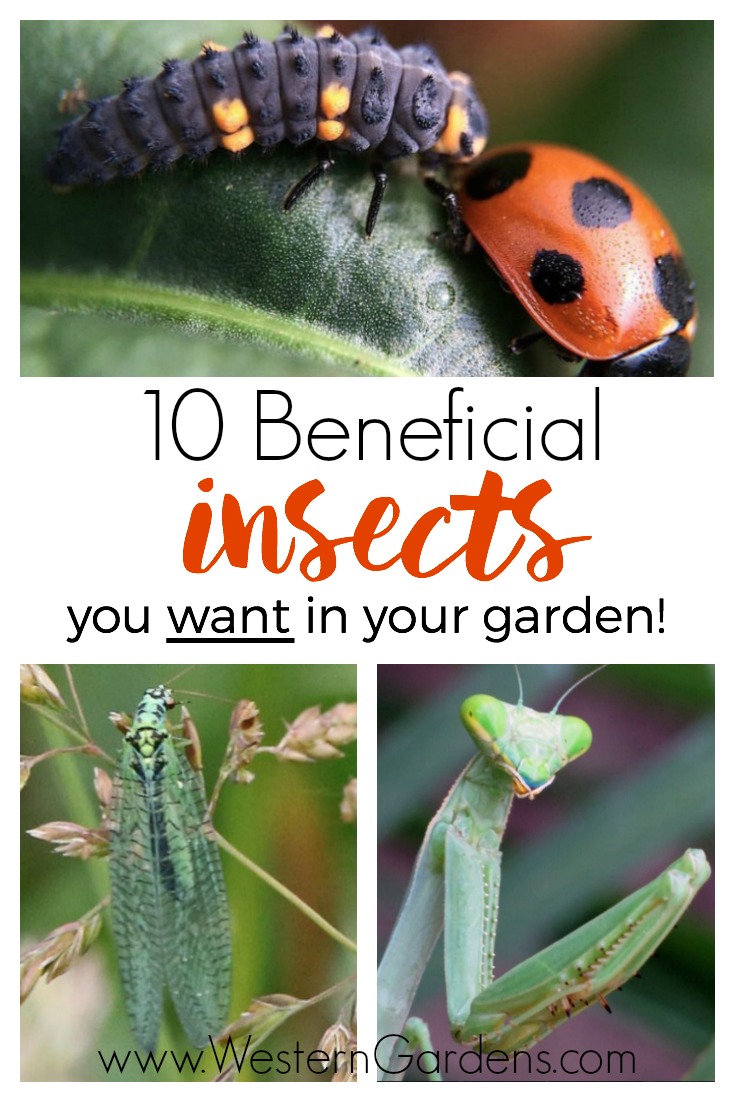
10 beneficial insects you want in your garden! If you spot these in your yard, you're in good shape!

Welcome Gardening Friends! Thanks for stopping by.

Do you ever see insects in your garden and wonder which ones are friendly and which ones aren’t?  Which ones are helping and which ones are harming?  Then keep reading, I’ve put together 10 Beneficial Insects You Want in Your Garden!

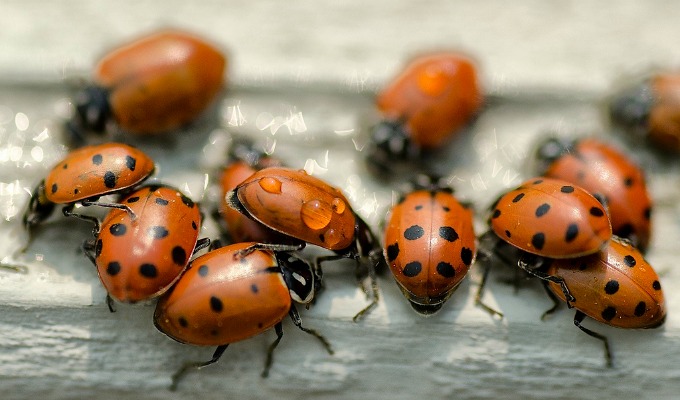
Ladybugs are definitely beneficial for your garden

Image by snowpeak under a Flickr Creative Commons Attribution License

10 Beneficial Insects You Want in Your Garden

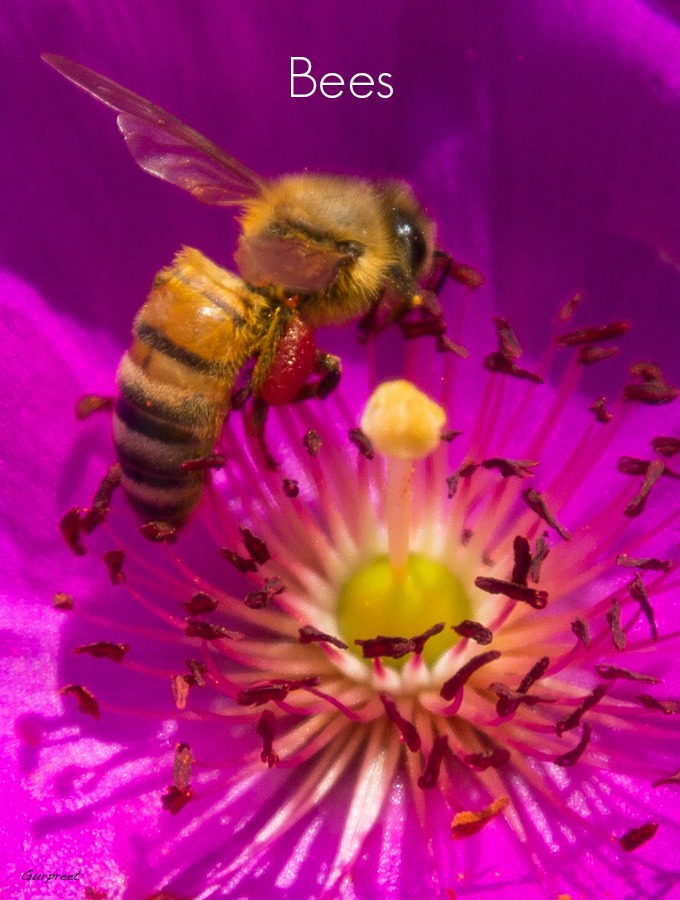
Bees will help pollinate many of your flowers

Image by zoxcleb under a Flickr Creative Commons Attribution-ShareAlike License

1. Bees

Bees are pollinating powerhouses and you want to see as many of them in your garden as you can get.  The more pollinators you have in your garden, the more fruit your plants will produce.

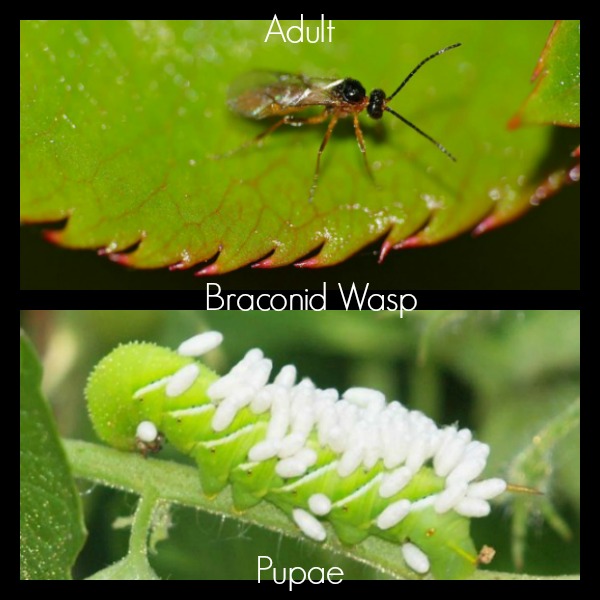
Braconid wasps lay their eggs in caterpillars

Adult Image by berniedup under a Flickr Creative Commons Attribution-ShareAlike License, Pupae Image by Bev Wagar under a Flickr Creative Commons Attribution License

2. Braconid Wasps

If you have ever found a tomato hornworm on your plants, you have seen the havoc that they can wreak. It won’t take them long to munch away all of the leaves on your tomato plants and you should squish it as soon as possible. However, if you ever find one that looks like the picture above, leave it alone. Braconid wasps are predatory and these beneficial insects lay their eggs in pests like the tomato hornworm. The larva feed on the caterpillar’s body, then emerge and form cocoons. This ultimately ends in the demise of the hornworm and more wasps to hone in on your other pests.

Some Pests Targeted by Various Braconid Wasps:

  • Aphids
  • Beetles
  • Caterpillars
  • Squash Bugs
  • Stink Bugs
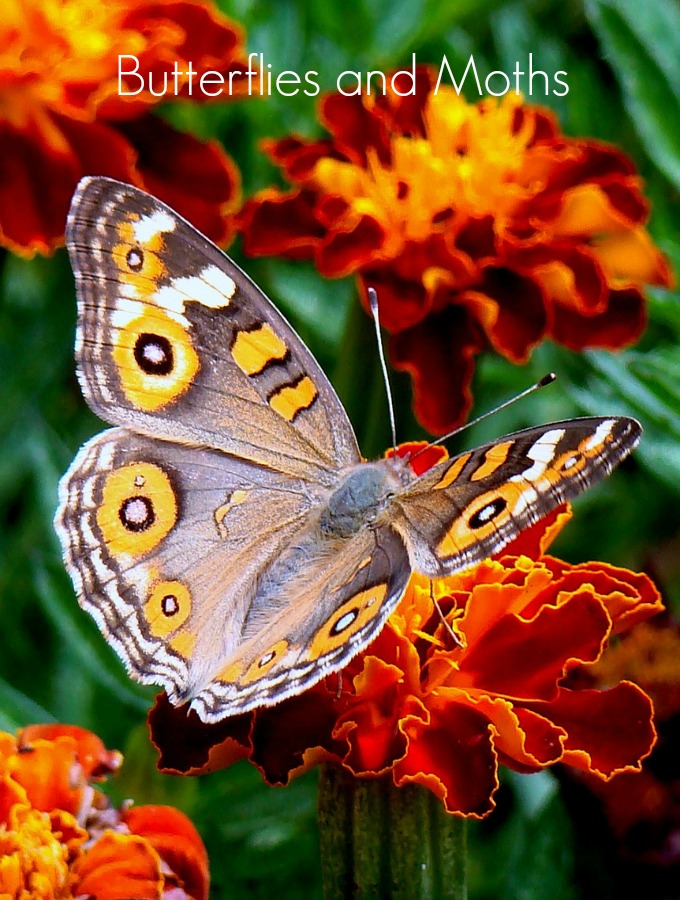
Butterflies and moths are good pollinators for your garden plants

Image by Michael Khor under a Flickr Creative Commons Attribution License

3. Butterflies and Moths

Butterflies and moths are not just dainty beauties that like to flit around your garden.  They serve as pollinators for many different flower species, enabling them to produce fruit.  They can potentially be harmful while in the larval stage as caterpillars since they eat away at leaves.  Many times, though, it’s not enough to ultimately harm the plant and you can allow them to complete their metamorphosis.

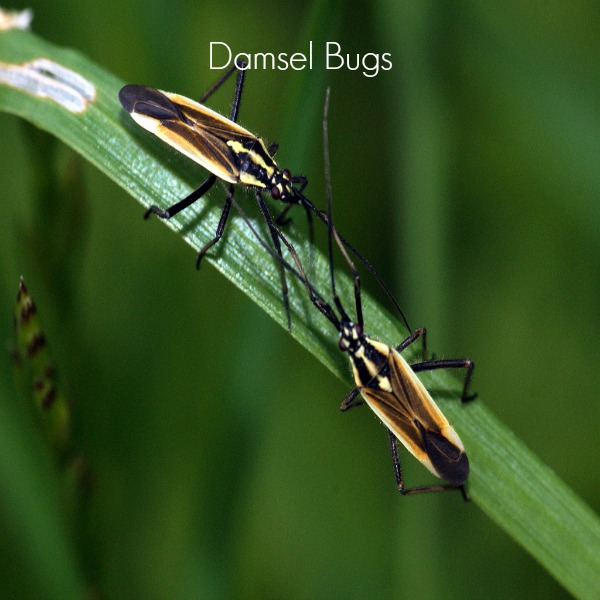
Damsel bugs are one type of beneficial insect

Image by Bennyboymothman under a Flickr Creative Commons Attribution License

4. Damsel Bugs

Don’t confuse damsel bugs with damselflies, which are similar to their relatives, the dragonflies. Damsel bugs are true insects that love to go after many of the pests that snack on your vegetable garden plants.

Pests Targeted by Damsel Bugs Include: 

  • aphids
  • small caterpillars
  • moth eggs
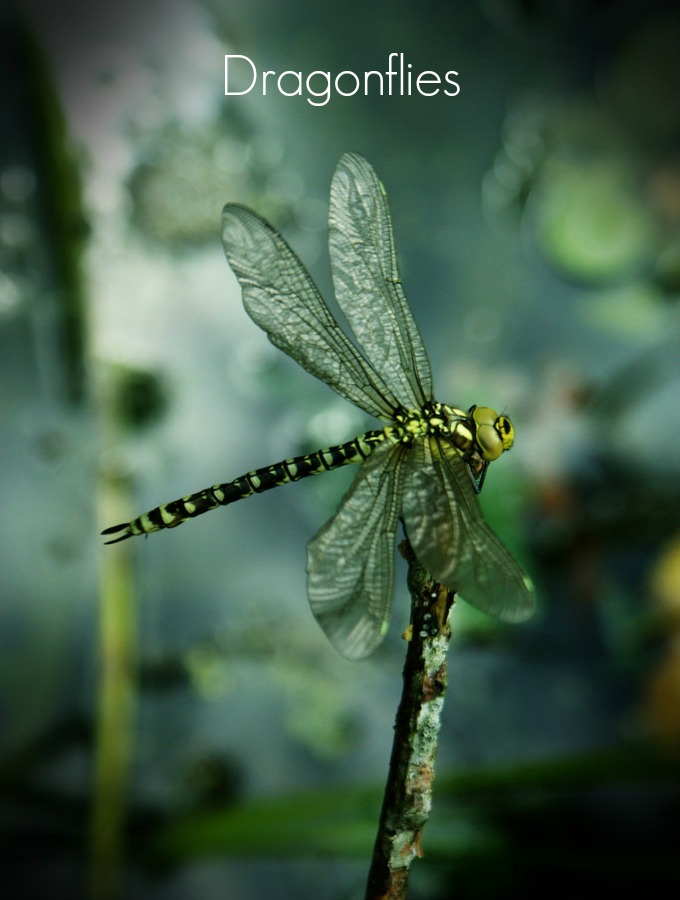
Dragonflies love pests like mosquitoes

Image by Join the Dots under a Flickr Creative Commons Attribution License

5. Dragonflies

Dragonflies can consume their bodyweight in bugs every 30 minutes, so they’re a great help in keeping the pests at bay!

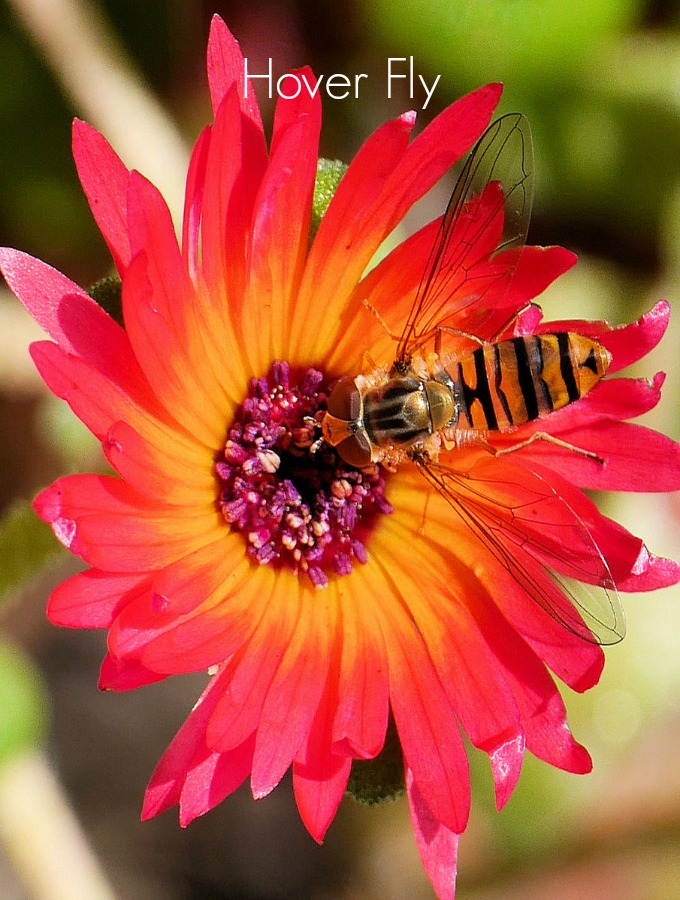
Hover flies will eat aphids, scales and thrips

Image by Smabs Sputzer under a Flickr Creative Commons Attribution License

6. Hover Flies

Hover flies, also known as syrphid flies, flower flies and drone flies, are great for controlling aphids, thrips, scale insects and caterpillars.  They are almost as effective as lady bugs in controlling aphids!

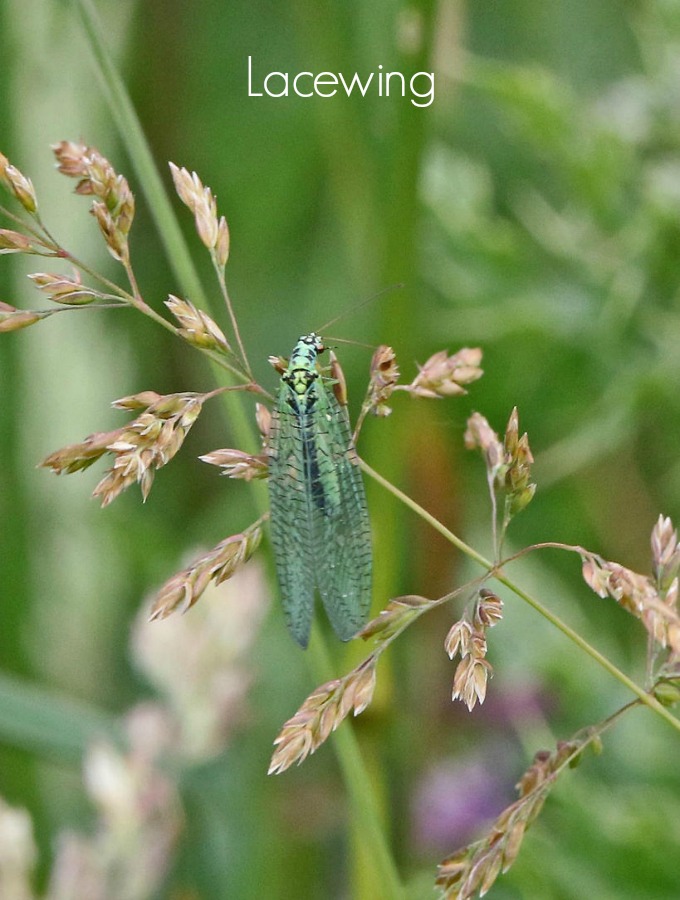
Lacewings will eat a large variety of harmful insects

Image by Mick Sway under a Flickr Creative Commons Attribution-NoDerivatives License

7. Lacewings

Lacewings are a helpful addition to the garden because the larvae are voracious predators of many pests including: aphids, spider mites (especially red mites), thrips, whitefly, leafhoppers, some beetle larvae, eggs of pest moths, and mealybugs.

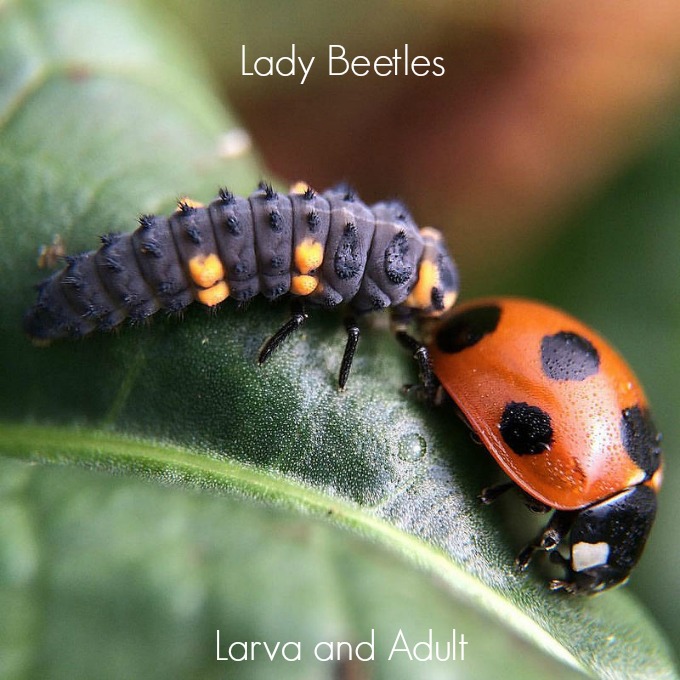
Both ladybug larva and adults are beneficial insects

Image by norio_nomura under a Flickr Creative Commons Attribution-ShareAlike License

8. Lady Beetles

Lady Beetles, more commonly known as Lady Bugs, are a popular addition to many gardens.  They are sold in local nurseries because they’re so effective at controlling aphids and other pests like small caterpillars, thrips and other soft-bodied insects.

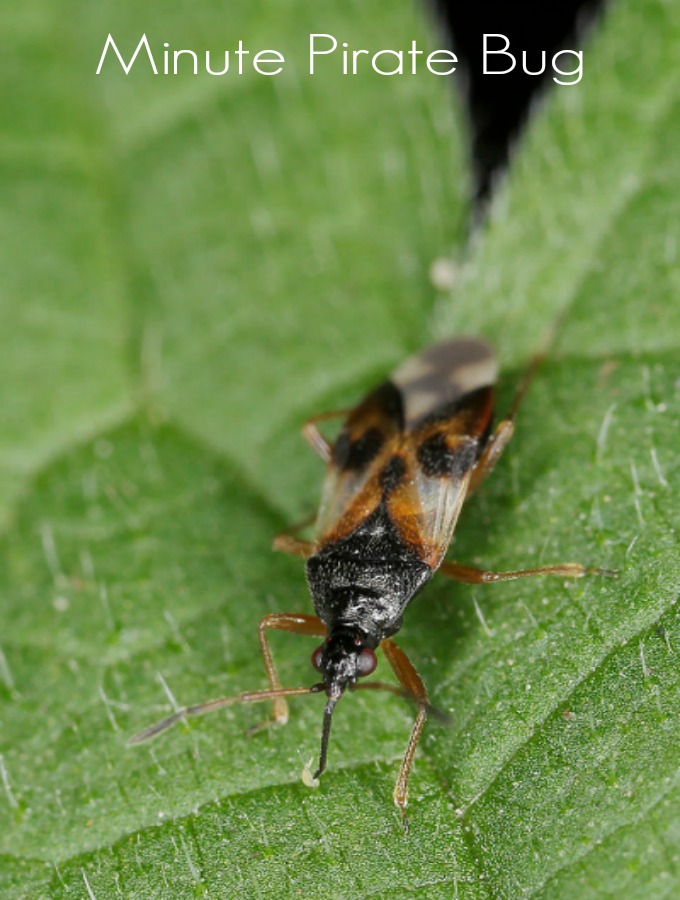
One insect that is beneficial in your garden is the minute pirate bug

Image by gbohne under a Flickr Creative Commons Attribution-ShareAlike License

9. Minute Pirate Bugs

Minute Pirate Bugs are tiny bugs (less than ⅕ of an inch long!) that are helpful in ridding your garden of pests including: aphids, spider mites, and thrips.  They are very predatory, and can consume up to 20 thrips larvae every day!

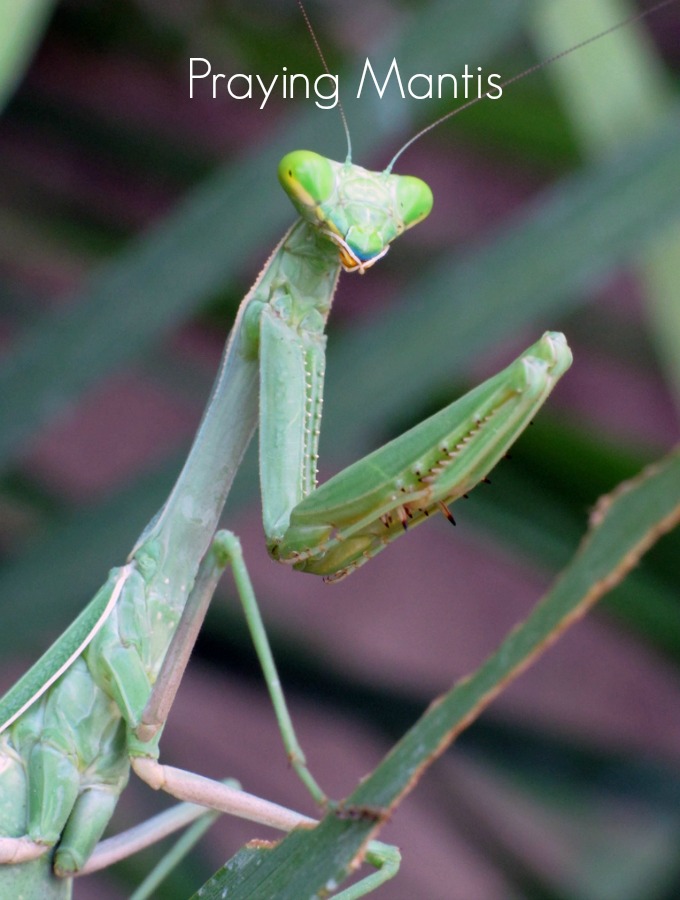
Praying mantises are so named because of how their legs are folded

Image by siamesepuppy under a Flickr Creative Commons Attribution License

10. Praying Mantises

Praying Mantises are helpful hunters because they prey on flies, crickets, beetles & moths.  These are great bugs to see in the garden!  But you should note that they are indiscriminate hunters…they eat pesky insects as well as beneficial ones, so just prey that they eat the pests!  😅

Honorary Mention: Spiders

Spiders are not included on this list because they are not actually insects.  Like other arachnids, they have eight legs, while insects have six. Many people shudder just at the thought of them. However, they truly are one of the most beneficial creatures to have around your garden since they take care of a lot of pests. If you can stifle the urge to squash any that are nonpoisonous, your garden will thank you!

What are your favorite beneficial insects?  Let us know in the comments below!

Filed Under: Gardening, Tips & How To's Tagged With: beneficial bugs, beneficial insects, bugs, garden, Gardening, insects, pests, Utah gardening

  • « Go to Previous Page
  • Go to page 1
  • Go to page 2

Primary Sidebar

Shopping Cart

Items in Your Cart

Your cart is empty
Visit The Shop

Follow Western Gardens

  • Facebook
  • Instagram
  • Pinterest
  • YouTube

See what we’ve been pinning!

Follow Me on Pinterest
Followed by people.
?

Pinterest Badge by Skipser

Here’s What We’ve Been Up To!

Save water and money by Turf Training - train your lawn to grow deep roots
work at western gardens utah garden center
Senior gardening woman Edu Carvalho from Pexels
A Utah Guide to Vertical Gardening in square shape

Copyright © 2026. Western Gardens - Privacy Policy