Welcome Gardening Friend! Glad you dropped in.
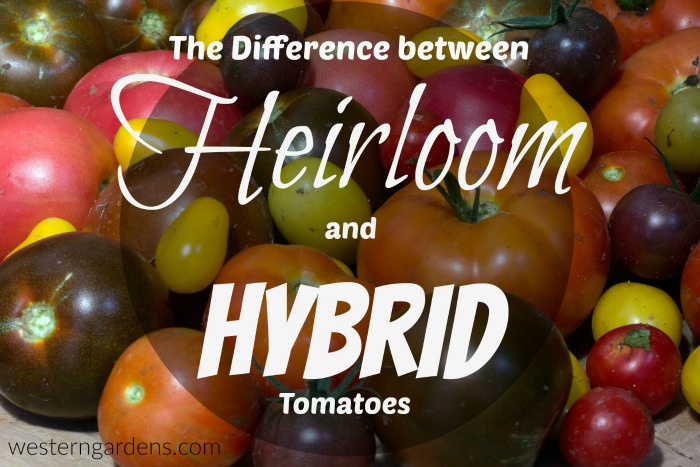
When we first started growing tomatoes several years ago, I didn’t know the difference between heirloom and hybrid tomatoes. I had heard about heirloom tomatoes and wondered what that meant. To me, an heirloom tomato sounded like some prized family possession (like great-great grandma’s china plates) or some secret family seed (like that secret family recipe for chocolate cake) that had been passed down from generation to generation. Basically, it made them sound unattainable without a special connection to someone from a family that had been growing tomatoes for countless generations. That was my impression. So, I simply went about my business of buying tomato starts at the local garden centers. I didn’t hear the term “hybrid tomato” until a few years ago. Hybrids were the kinds of tomatoes I’d been growing but didn’t know it.
As the push for more natural and organic ways of producing food has been growing, the market for heirloom tomatoes has become much more mainstream. One can buy packets of certain varieties of heirloom tomato seeds at pretty much any gardening center and starts for heirloom tomatoes can also be found in more locations.
But really,
What’s the difference between heirloom and hybrid tomatoes?
One way to define an heirloom tomato is a variety that has been passed down within a family or has been around for at least 50 years (though it seems there is some controversy about how old a variety of tomato needs to be in order to be considered an heirloom1 ). Some heirlooms are recorded as having been cultivated for hundreds of years or more.
An HEIRLOOM TOMATO is one that has been selectively reproduced for certain characteristics, perhaps a certain trait that is best suited for a growing region or a certain color or flavor. It may be the best one for canning/bottlings because of its acidic content. Or maybe a variety that is huge and juicy, where one slice fills an entire sandwich! Some varieties of heirloom tomatoes include Black Beauty, Brandywine, Chocolate Stripes, Green or Red Zebra, Big Rainbow, and many more. As the names would suggest, heirloom tomatoes come in a wide variety of shapes, sizes, colors, and flavors.
Many would argue that heirloom tomatoes are more flavorful. I have personally grown Brandywine for several years and can attest that they are delicious and juicy. They also can grow to be quite large, but the same vine could also produce medium or smallish fruit. They are not completely consistent in size, but always tasty!
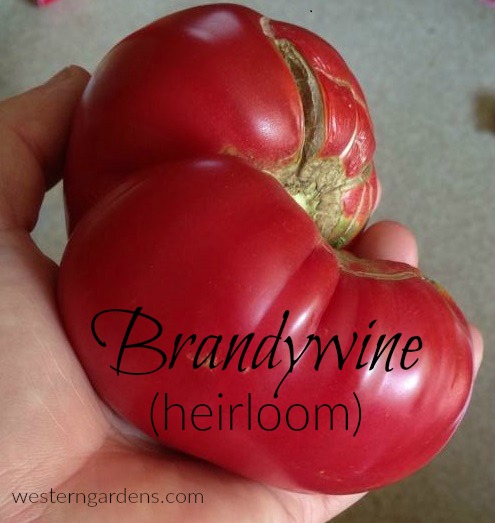
A word of caution: Watch your heirloom tomatoes and don’t let them over-ripen on the vine. Since the colors of an heirloom can vary so much from what most people are used to, like that “tomato red” we all see on hybrid varieties we buy at the grocery store, it can be quite easy to not know an heirloom is ready for harvesting until it’s too late. Read up on the particular heirloom tomatoes you choose so you can be aware of what to watch for to assess ripeness.
Since an heirloom tomato is one that has been specifically selected over generations of plants for its traits, it is possible to take the seeds from a tomato grown in a home garden and use them to grow that same variety during the next growing season. (IMPORTANT NOTE: If your heirloom tomato cross-pollinates with some other variety of tomato in your garden, you will end up with seeds that are not true to the original plant. If you’re interested in preventing this from happening, there are guides on how to prevent cross-pollination.)
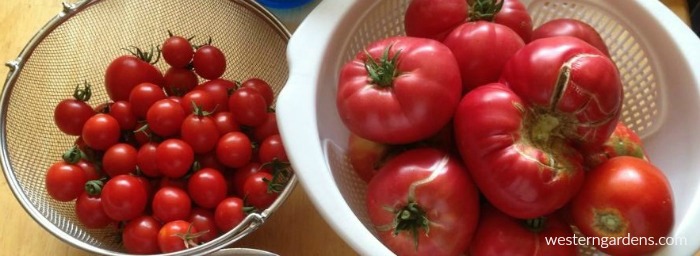
A HYBRID TOMATO is one that is the result of intentionally cross-pollinating two different varieties of tomato. This means the “child” plant will have characteristics of both of the “parent” plants. These tomatoes can be very hardy, disease resistant, and produce fruit that is consistent in size and shape. Being disease resistant is probably the biggest and most important benefit. There are few things as frustrating as growing a big beautiful plant, have lots of fruit forming, then get a plant virus that destroys your crop.
Some popular varieties of hybrid tomatoes are Big Beef, Cherry, Sweet 100, Early Girl, Better Boy, and Grape.
The biggest difference between heirloom and hybrid tomatoes…
…is what kind of 2nd generation fruit will grow from this year’s plant. You can’t be certain what kind of tomato will grow from the seed of a hybrid. Often the seeds are sterile and will not sprout at all. In the event that they do sprout, they probably won’t be the same as the plant you harvested them from. We planted a Cherry tomato two years ago and had lots of volunteer plants growing in that area of the garden the next season. We let a few of them grow and found that the plant produced fruit that was pea size, or smaller! They were delicious but a real pain to harvest.
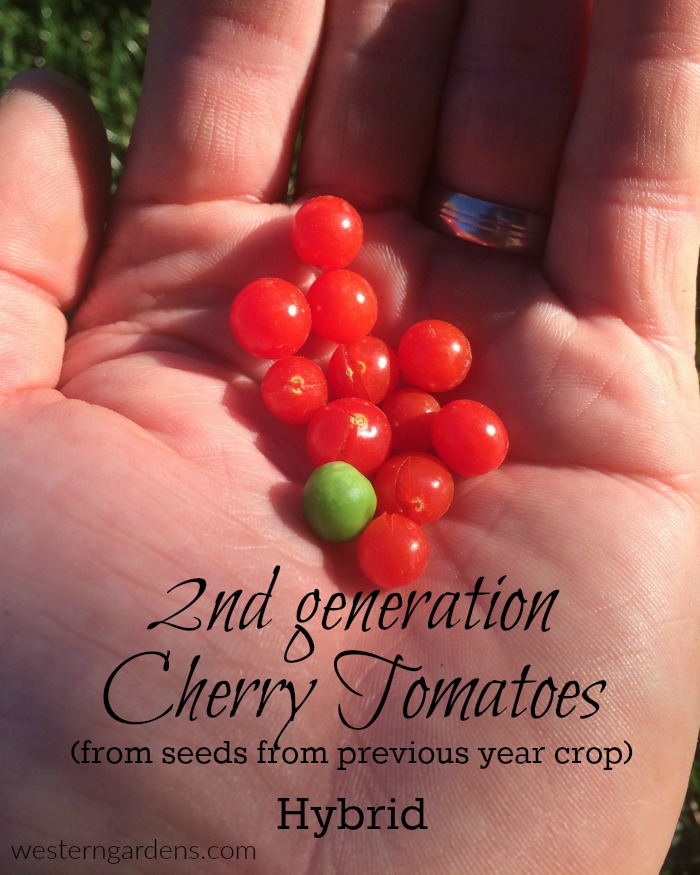
Be sure to check your local independent garden shop, like Western Gardens in Salt Lake City, to find the most popular varieties that will do well in your climate and area. The locals will have the biggest variety and most unique varieties for you to enjoy.
Either way, the difference between heirloom and hybrid tomatoes may not matter to you. Nevertheless, whichever you chose to plant in your garden, they have one big thing in common: they are designed to be eaten and enjoyed!


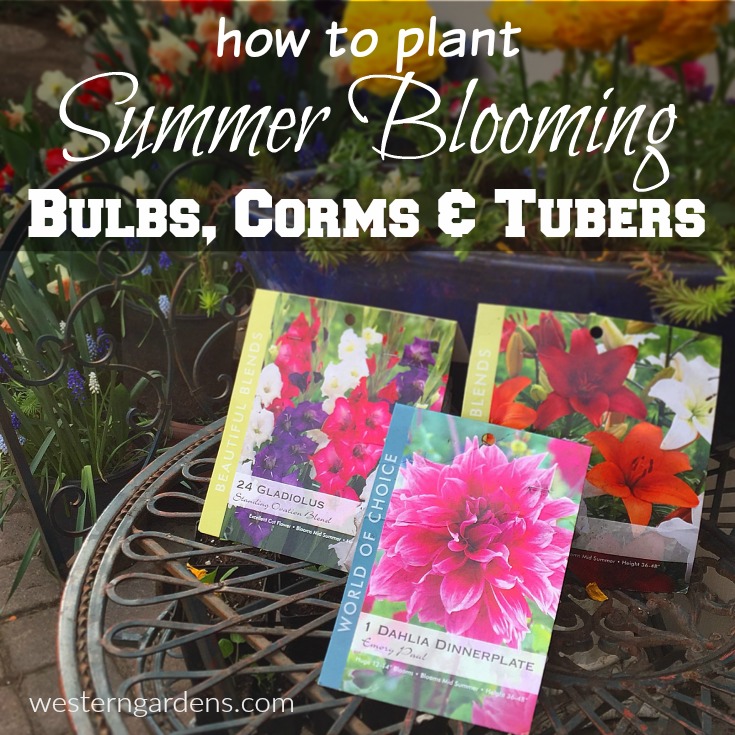
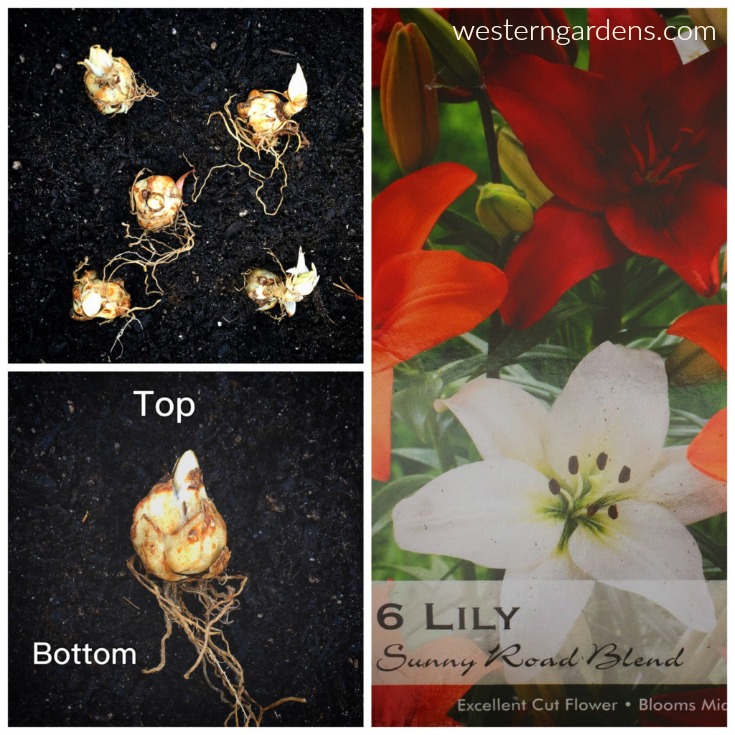 Asiatic and Oriental lilies are
 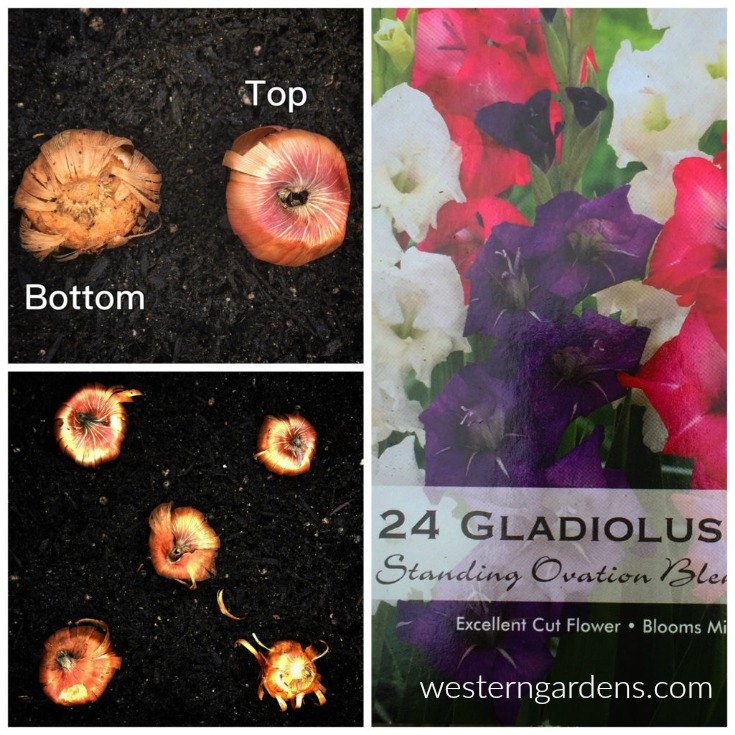 I suggest to plant summer blooming gladiolas each weekend for three consecutive weeks so blooms will last throughout the summer. Gladiolas should be planted after the danger of frost has passed. They need a sunny location. Unlike lilies, they don’t have a problem sharing space with neighboring plants. I will plant them 3-4 inches deep and about 6 inches apart. For a greater impact, I plant them in groups of three or more. Gladiolas are
 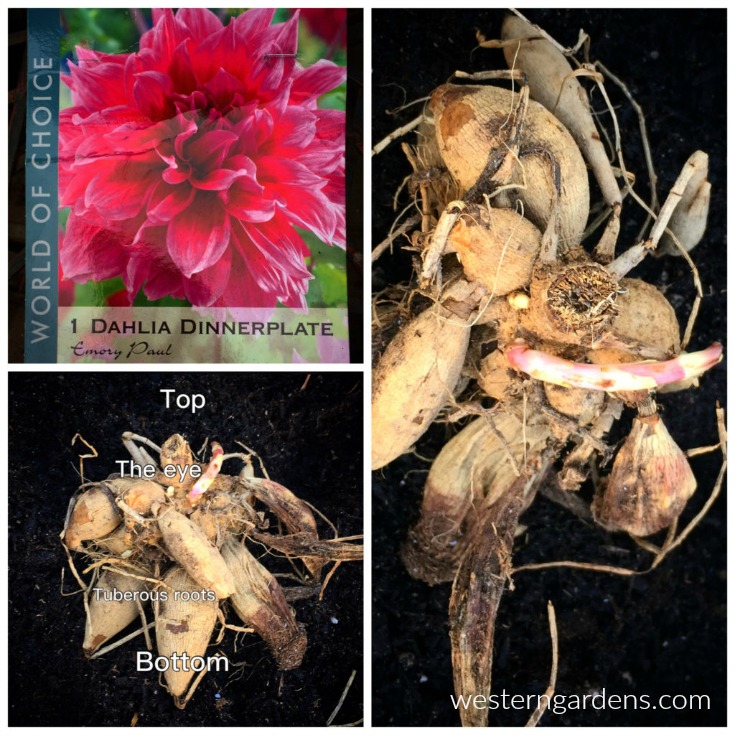 Dahlias should be planted in rich organic soil, in a sunny spot, and after the last frost. I am planting mine in pots early so I can get them started. I use Gardener’s Gold Organic Potting Soil. They will remain in pots outdoors for awhile so that when I see that temperatures are going to drop I can bring them inside. After the last frost, I will plant them outside. When planting it is important to give them plenty of room. I make sure each tuberous root has space between itself and its neighbors and then I’ll cover them with soil. Last year’s stem (the eye) should just be barely below the surface. Like the gladiolas, dahlias are
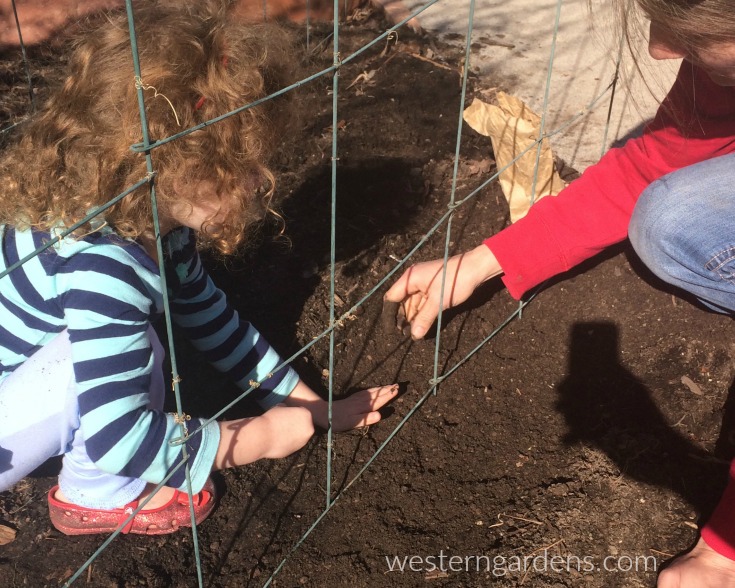
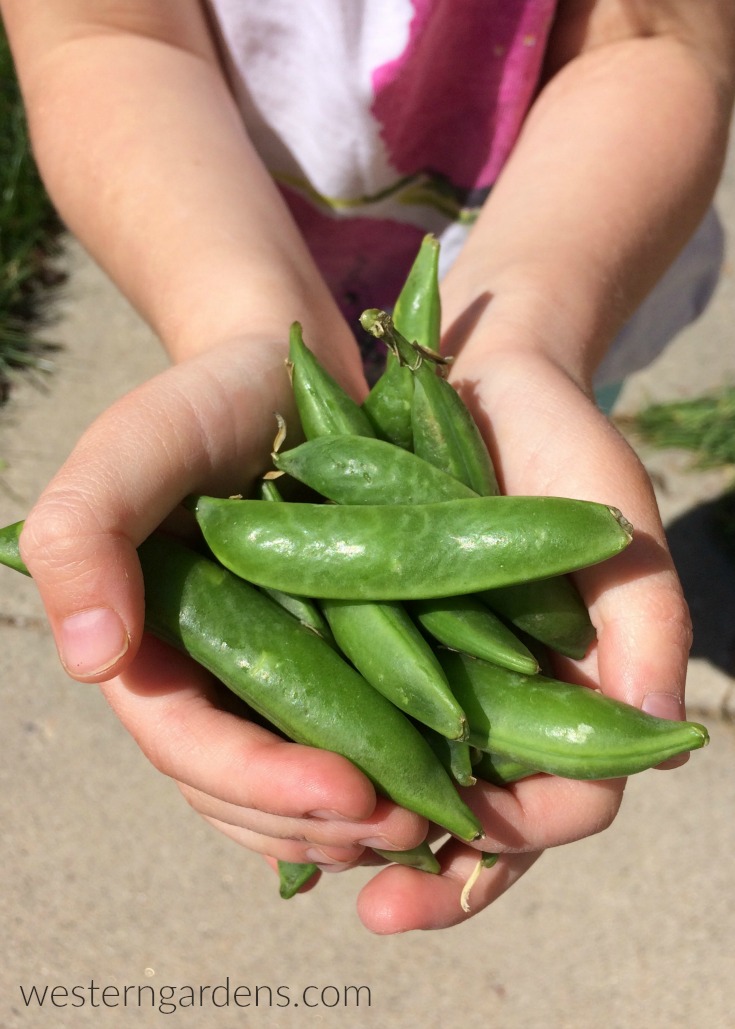
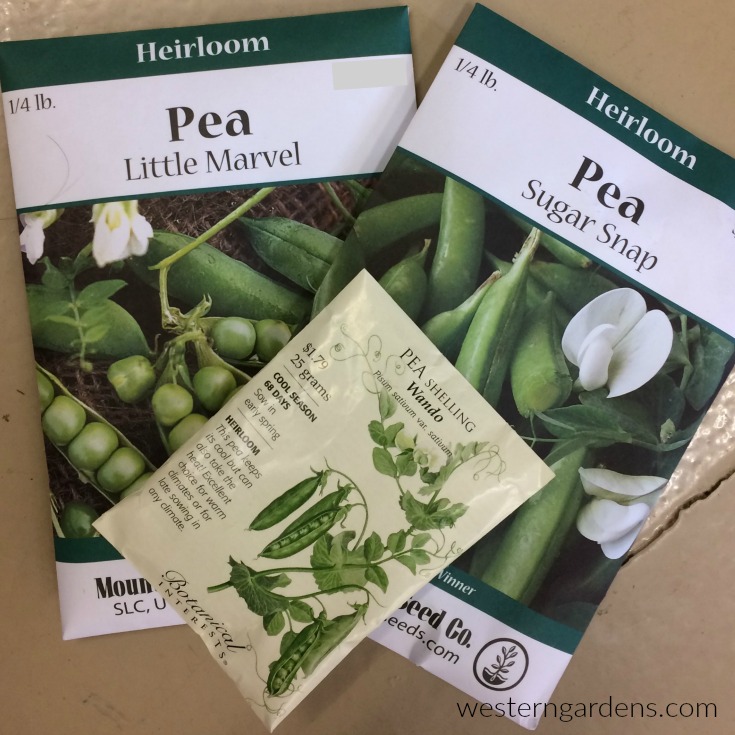
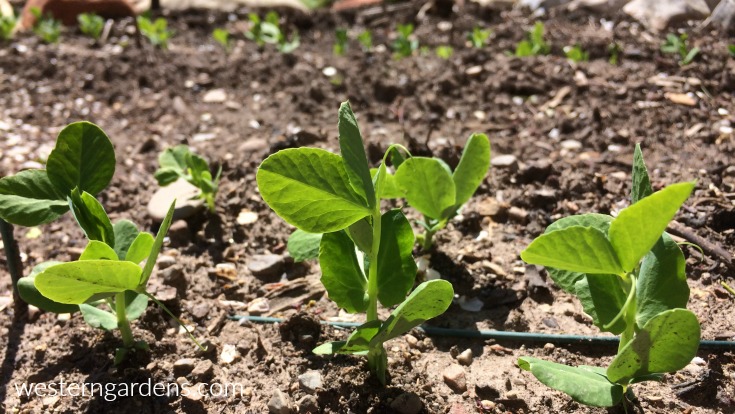
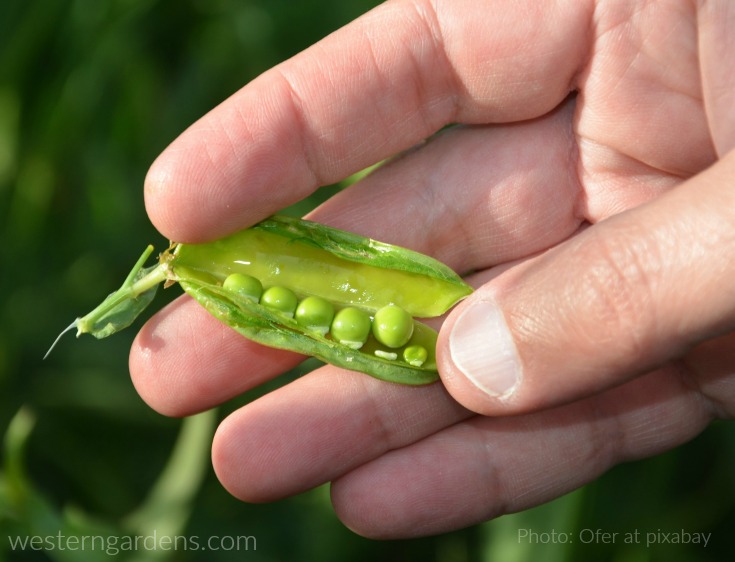
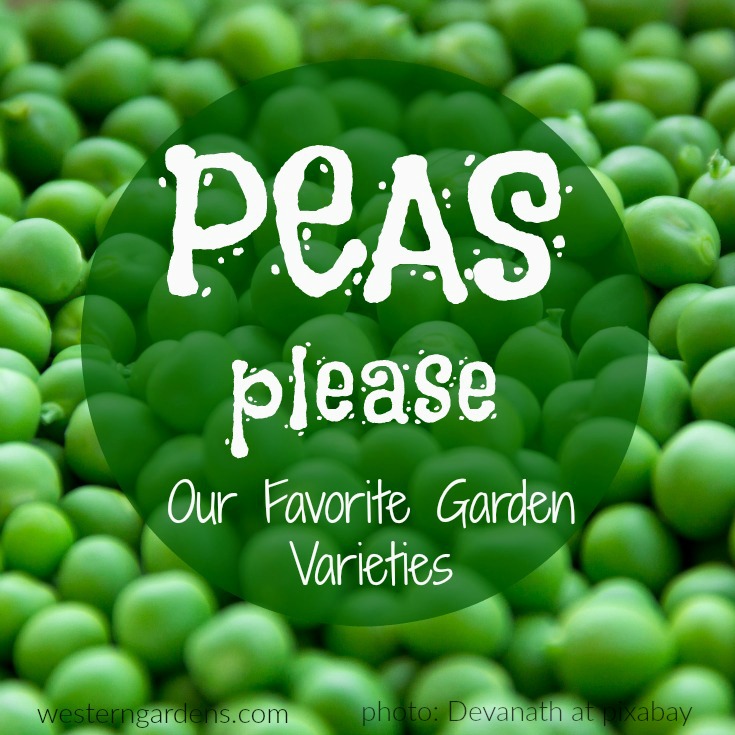 Each year as we get to the last few weeks of winter, my husband and I watch for the first day when it is warm enough for us to work outside in our garden for a few hours so we can plant peas. We can’t wait to get them in the ground! Though along the Wasatch front, we typically don’t plant until March, we’ve planted them as early as mid-February (straight in the ground; no greenhouse) and still had great success. Peas are a cool weather plant that needs little attention beyond watering and harvesting. They tolerate snow and light frost so don’t be afraid to plant peas early.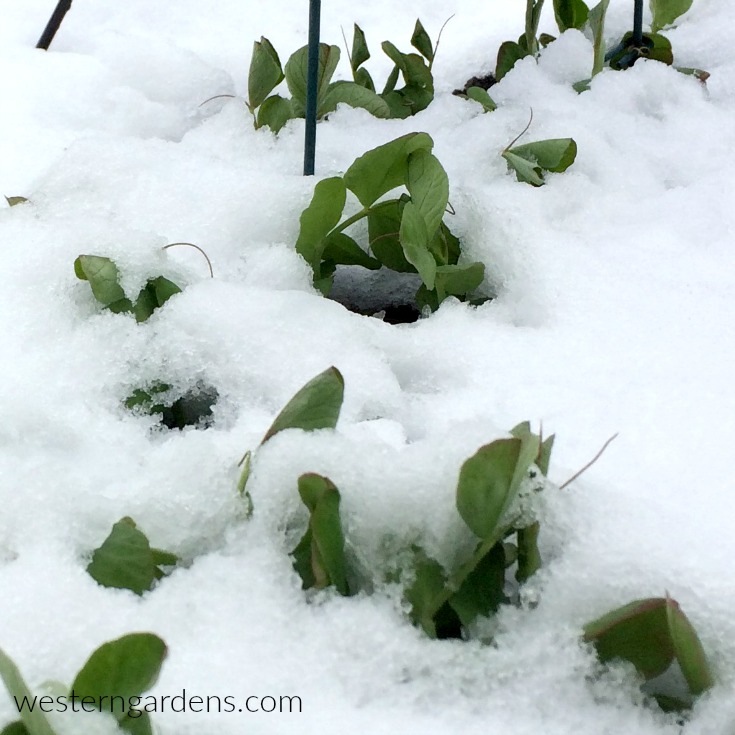
 Feeling overwhelmed with so much to do in your yard? Wondering where to start? lawn? vegetable garden? flower beds? Check out our helpful

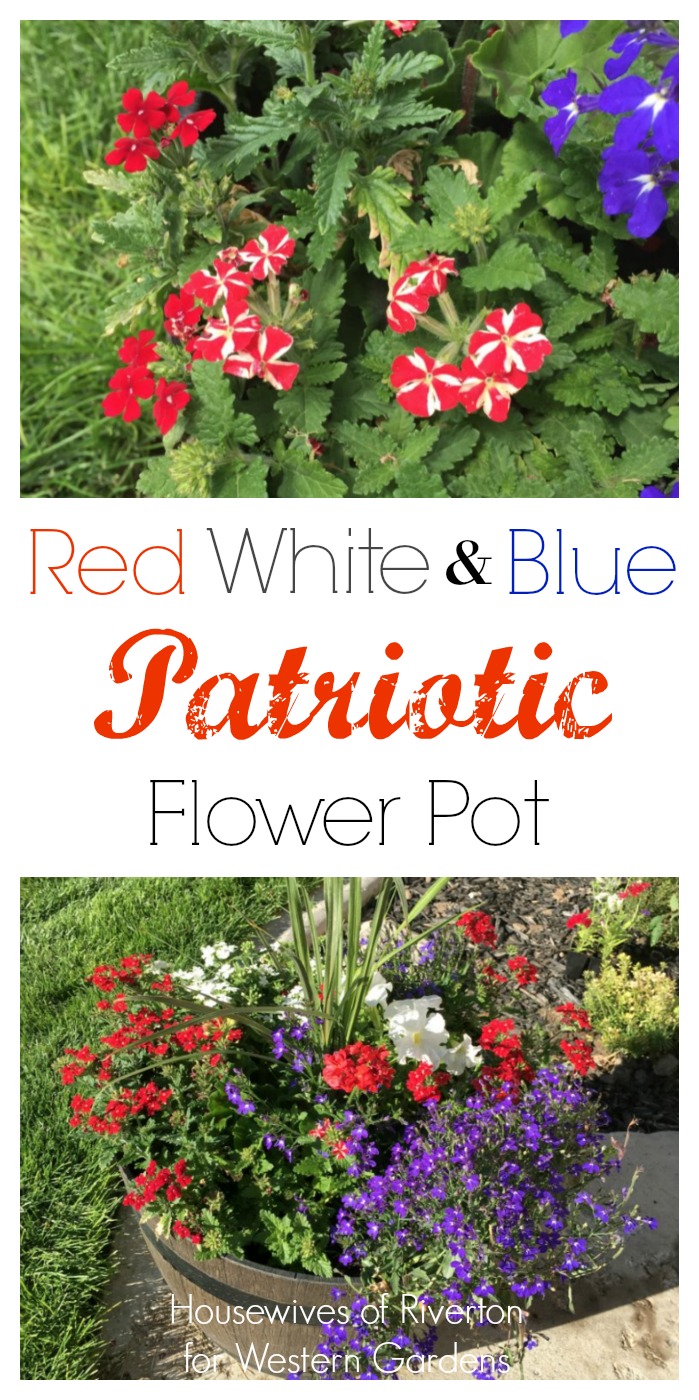
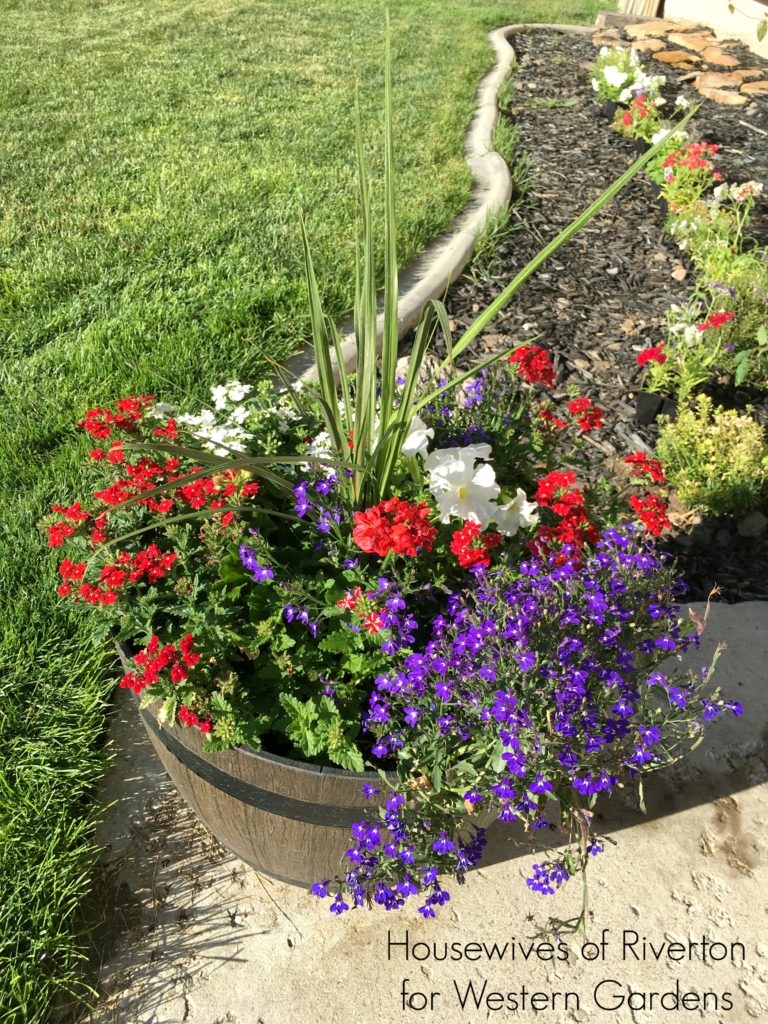 Do you love unique, patriotic outdoor decor? Especially when flowers are involved? Me too!
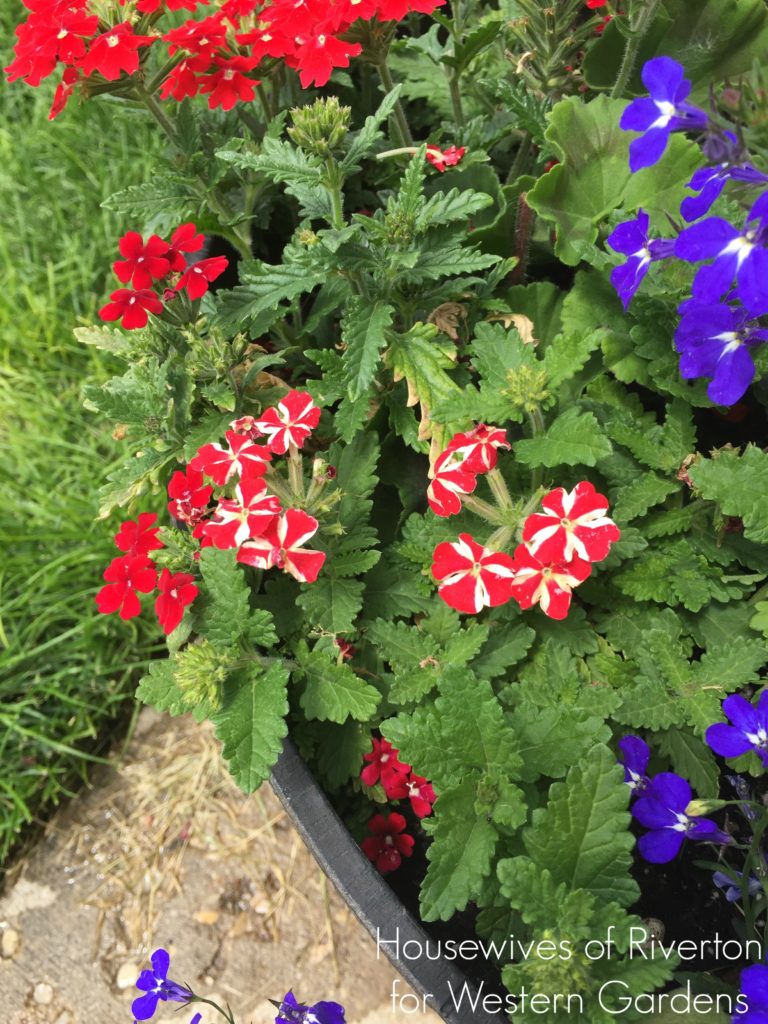
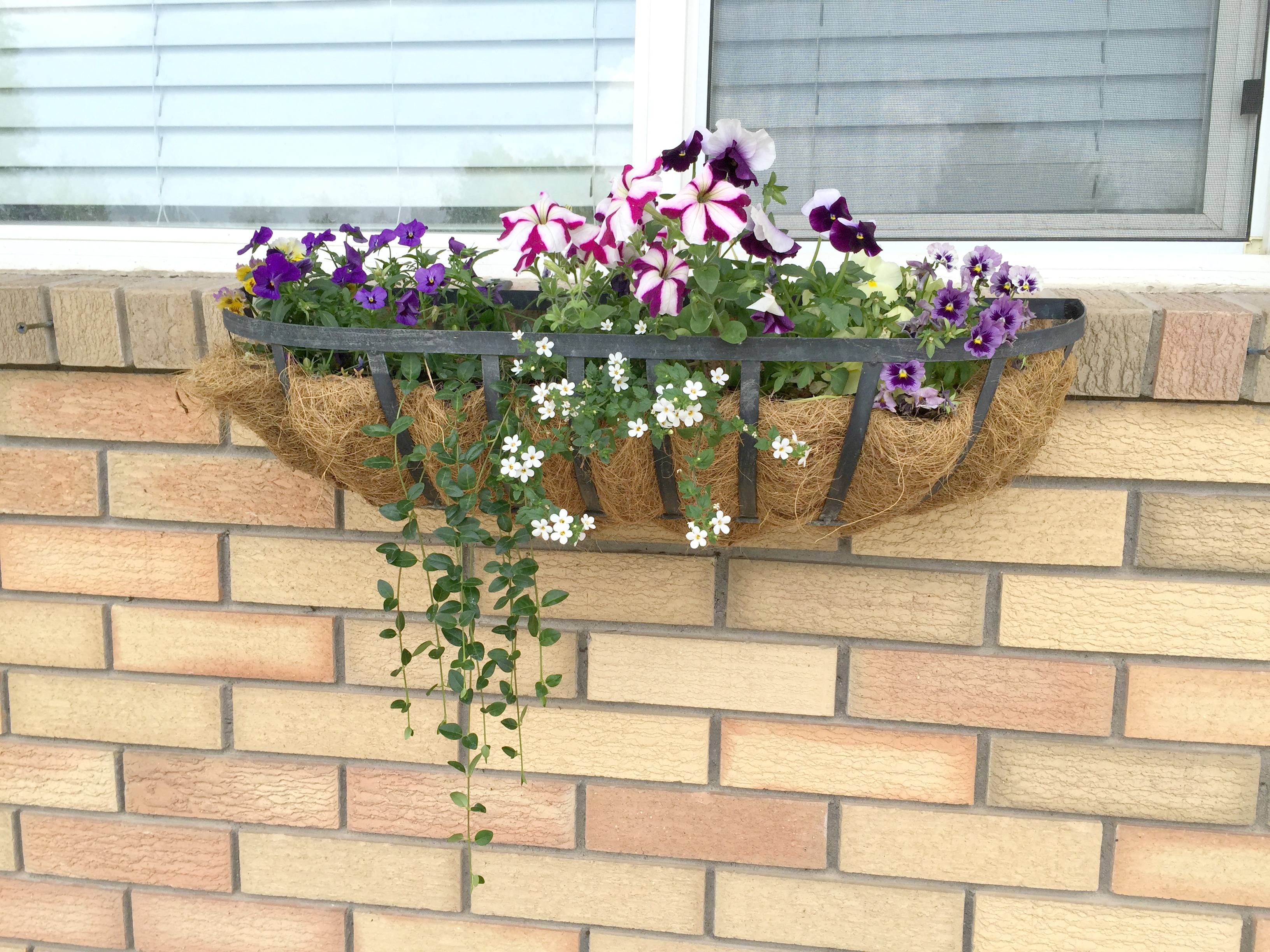
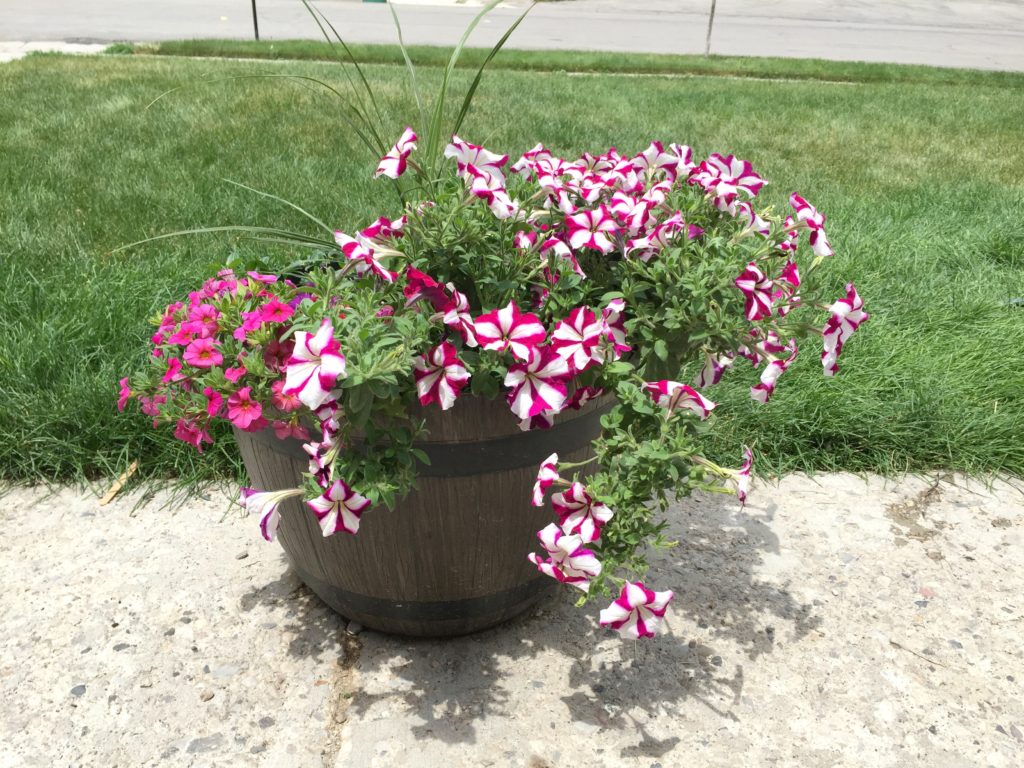
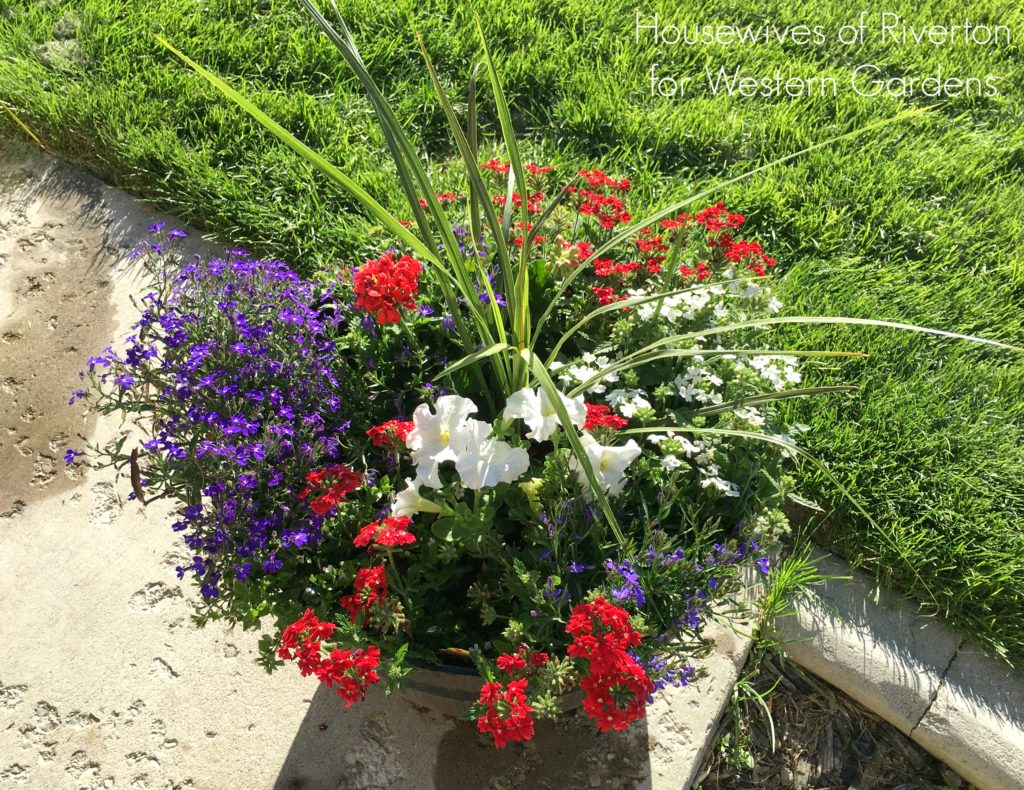 I’m so happy with how my pots are doing this year! I know that learning the proper steps from the Garden Solution Experts at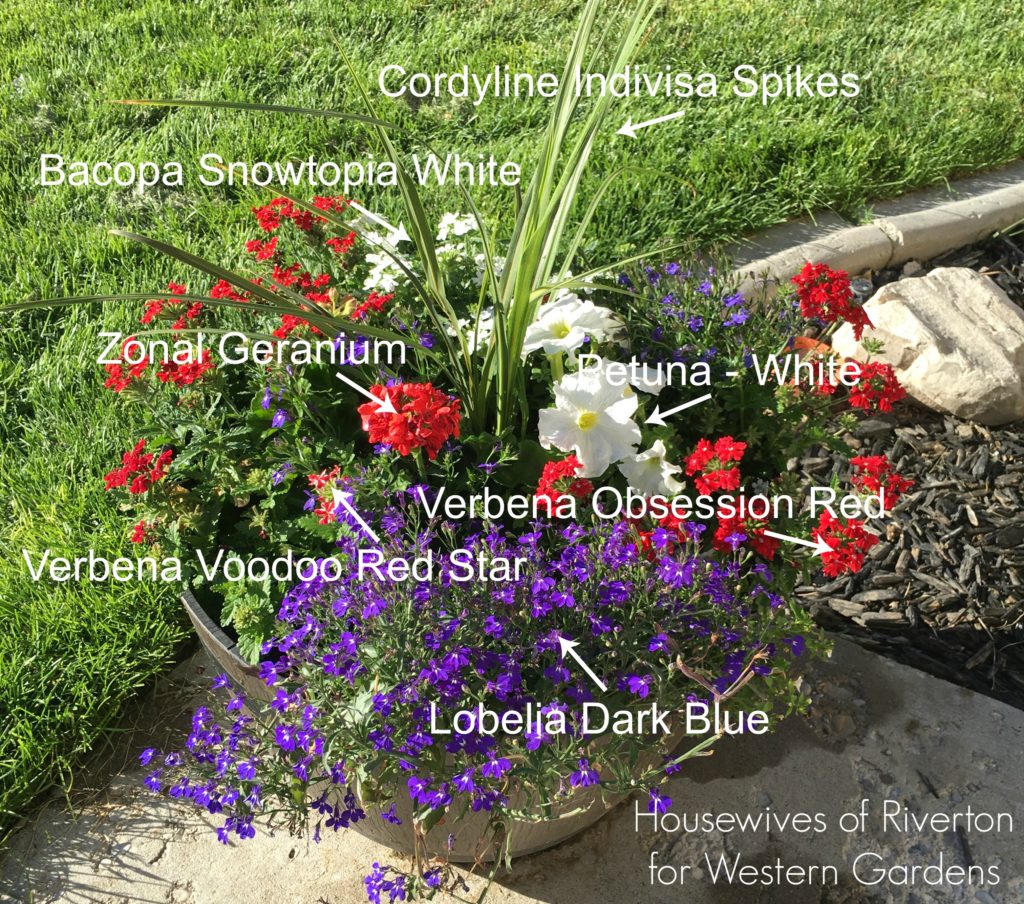


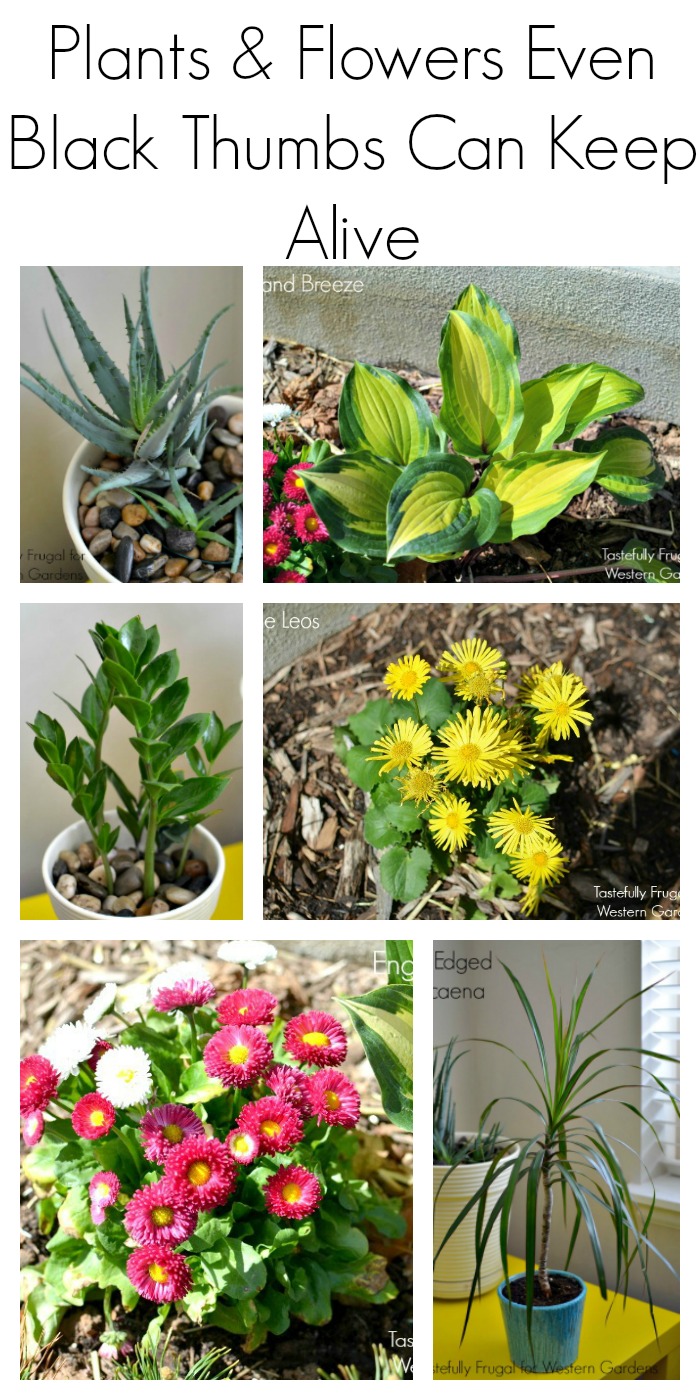 alt=”If you have trouble keeping plants alive, have no fear…. Stick with these 7 varieties and you’ll be able to keep thriving all year long!” width=”700″ height=”1400″ />