• Skip to primary navigation
  • Skip to main content
  • Skip to primary sidebar

Western Garden Centers

for what grows here

  • Home
  • How To
  • Gift Cards
  • Calculate Mulch
  • Locations
    • Store Hours
    • About
    • Garden Shop Employment Team
  • Weddings
    • Salt Lake City, UT
    • West Valley, UT
  • Blog
    • Gardening
    • Recipes

Gardening

Garden Grow Box – Kids Friendly

April 11, 2017 by Vanessa Roush

WELCOME GARDEN FRIENDS, HAPPY TO SEE YOU!
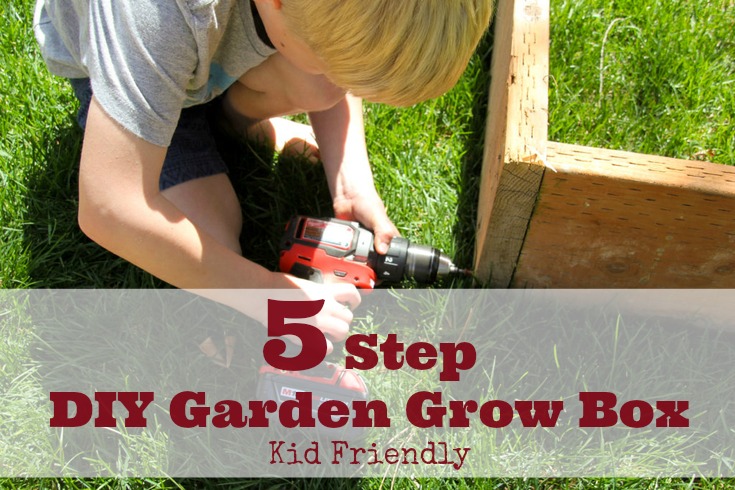
Garden Grow Box DIY with kids

Want to have a garden this year? Wondering where to begin? Start with this simple garden grow box that you and your children can create together.  Here are some simple guidelines that worked for me.

Before heading to your local lumber yard,  decide what size of box you want or have room for. For this example, we are building a 4 foot by 6 foot box, which is a great size just right for the new little gardeners who will help to create it.  However, you can make it the size that fits the space you have.

Garden grow box SUPPLIES:
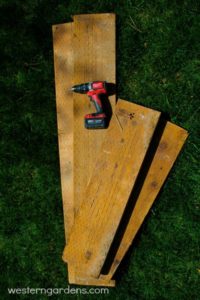
garden grow box supplies needed.

SUPPLIES: 2 10′ boards cut into 2 six feet and 2 four feet lengths. Smaller hands can handle the 4′ boards!
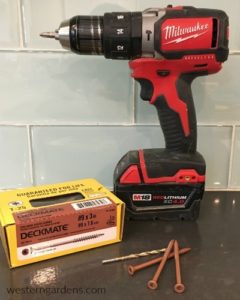
SUPPLIES: Deck screws, drill bit, power drill and/or screw driver, and those helping hands.

1. Two 2’’x8’’ x 10’ long pressure treated beams: (approx. $14 each) Make sure they are straight by pulling them out and looking down the side of them. Also make sure they aren’t severely bowed or have big knot holes. If you don’t have a chop saw at home, have someone at the lumber yard cut both of your boards at 6’. You will be left with two 6’ pieces and two 4’ pieces. This also makes it easier to transport them home. You can also rummage through your scrap wood at home and see if you have something that is at least 6” in depth.

2. A package (or at least 12 pieces) of #9 2 1/2’’ Deck screws: (approx $10 or less) You could also use #10 3’’ screws. They come in a few different colors so you can get a box to match the wood so they are less noticeable. Most of these screws have a star driver head.  Some boxes come with a bit to fit them, but check just to make sure.

3. Drill bit a little smaller than your screws (optional but highly recommended):  For a #9 screw, a drill bit size of 3/32 is recommended. Pre-drilling holes prevents the wood from splitting and ruining the board. If this sounds like Greek to you, take your screw and look for a drill bit that is slightly smaller in diameter. Or ask someone at the lumber store; they’d be more than happy to help!  This is an essential step if you’d like to involve kids. You pre-drill the holes, and then let the child drive in the screws.

4. Weed block or Landscape fabric:  If you have an area that is prone to a lot of weeds, put down some weed block or landscape fabric before you set your box in place.  Layers of old newspaper in the bottom of your box can work too.   Another option is to spray the weeds using Killz-All or Weed-Free Zone.  If you do this, make sure not to cover the sprayed weeds for 7-10 days giving the chemicals time to kill the weeds.  There is no problem using these products on edible vegetable gardens.  The product only works to kill the unwanted plant via the plant’s leaves.

5. Power Drill and/or Screw Driver.

Garden grow box ASSEMBLY:

Putting the box together is easier if you have an extra set of hands, but some rocks or a wall will do if you’re doing this project solo. Enlist the help from a child by asking them to hold one of the boards up for you. The box can be assembled in a few different ways, or styles.
Option A:  Assemble each board on the outer part of the corner on one end, and then inner part of the corner on the other.

Option B:  Assemble the shorter 4′ boards on the outside of of the 6′ boards or vice versa.

Step 1: Take a 6’ board and a 4’ board and put them together at a right angle. Make sure they are flat against each other. Using your drill bit, pre-drill 3 holes in a line at the top, middle and bottom of the side.

Step 2: Then switch to your screw bit or use a screw driver and drive 3 screws into the holes you just drilled. You should now have two boards creating a right angle or an “L” Shape.
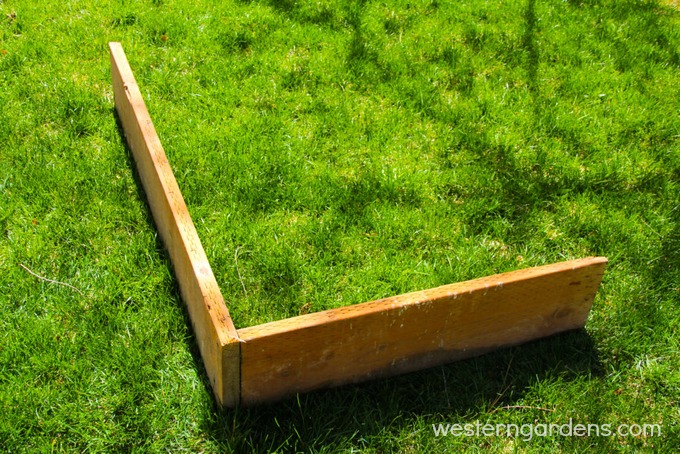

Step 3: Now add the other 6’ board and repeat the pre-drilling and driving the screws.
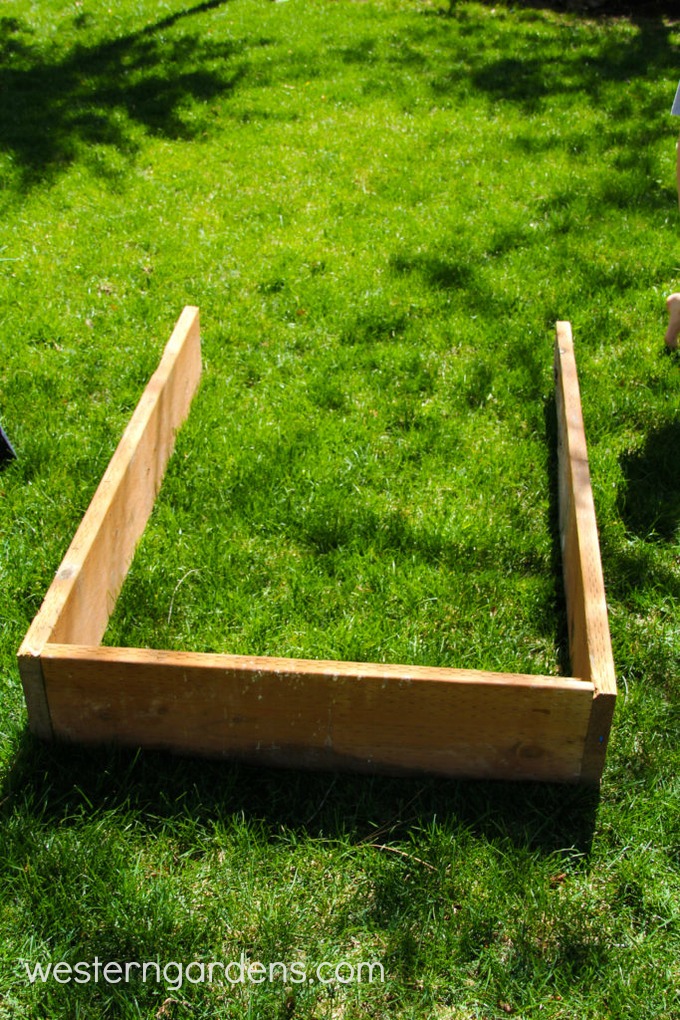

Step 4: Repeat with the last 4’ board.
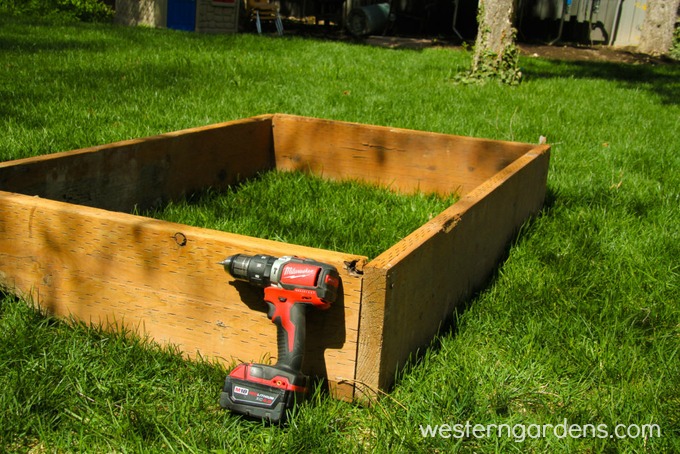

Step 5:  Set your box in its place.  To help cut down on weeds, place a layer of landscape material from your independent garden store.
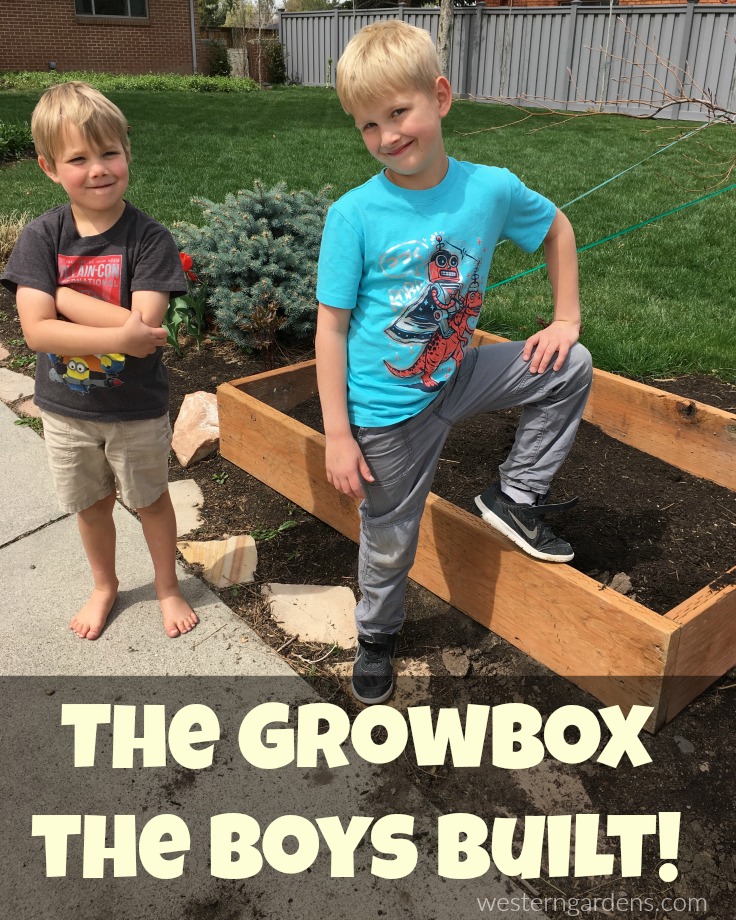
simple garden grow box built by kids

The fun has just begun. Fill with quality soil and get those seeds and plants ready! The box is!

Now you are ready to fill with a high quality dirt.  Bumper Crop from your local independent garden center, like Western Garden centers, is an experienced gardener’s favorite!
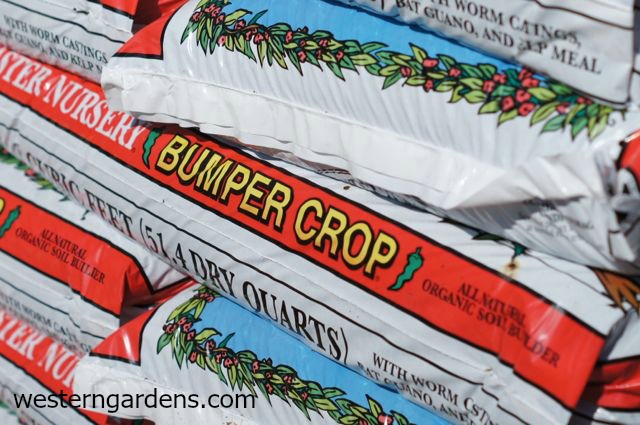
Bumper Crop for your soil is a gardener’s favorite.

Stay tuned for the next episodes of this Kids in the Garden experience.  Their love for gardening is growing, but see what plants these two choose to grow in their grow box!
 

Filed Under: Container Gardening, Gardening, Kids in the Garden, Tips & How To's Tagged With: building a grow box, bumper crop, DIY grow box, Garden Boxes, grow box, Independent garden centers in Utah, kid project, kids in the garden, Raised Garden Beds, raised garden box, raised vegetable garden, Utah gardening

utah gardening to-do list in April

April 2, 2017 by Wendy Pettit

Utah Gardening To-Do List in April | Easy Garden Tips | How to Garden in Utah | Beginning GardenerFeeling overwhelmed with so much to do in your yard?   Wondering where to start? lawn? vegetable garden? flower beds?  Check out our helpful Utah Gardening To-Do List in April for the Wasatch Front in Utah.  If you live in a similar growing season, this list can work for you too.
Realize that you may not need to do everything on this list; skip over those that do not apply to your yard.

Take the entire month to do the list.  None of us can do it all in one day off.  Enjoy the process of being out in your yard and digging in the soil.  In other words, stop to smell the roses or other blooms this month.

If you need some inspiration, stop by your local independent garden center like Western Gardens in West Valley or Salt Lake City.  We would love to show you our #1 quality material, expert knowledge, and friendly personal service to inspire and help you be a satisfied and successful gardener.  Your success is our success.

Press HERE for the April Gardening To Do List.

Here are a few blooms at Western this last week.

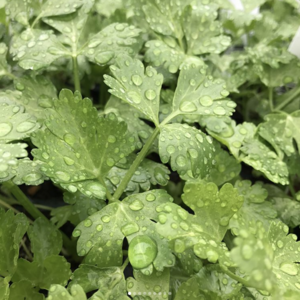
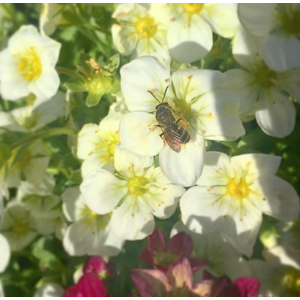
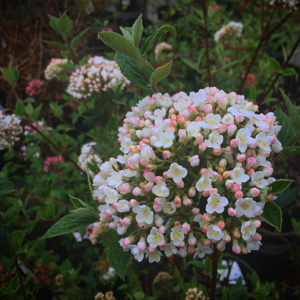
geum bloom at western garden centers utah utah hellebores at western gardens celery starts on a rainy day at garden center salt lake city western gardens shipment of heuchera pansies of all colors at garden center in utah buttercup primrose blooms at western garden centers utah bees love saxifraga at salt lake city western garden centers unique succulents at salt lake and west valley city garden centers burkwood viburnum in bloom west valley western gardens

Drop in and see more!


Filed Under: Gardening, To-Do List, Utah Gardening Tagged With: april gardening to do list, april gardens, burkwood viburnum, buttercup primrose, garden centers in Utah, gardening to-do list, hellebores, heuchera, local independent garden centers, pansies, primrose, saxifraga, succulents, Utah gardening, utah gardening april, utah gardening to-do list in april, viburnum, Western Garden Centers, Western Gardens

Wheat Grass Easter Eggs – Kids Project

March 28, 2017 by Wendy Pettit

Welcome Friends!  Glad you dropped in.

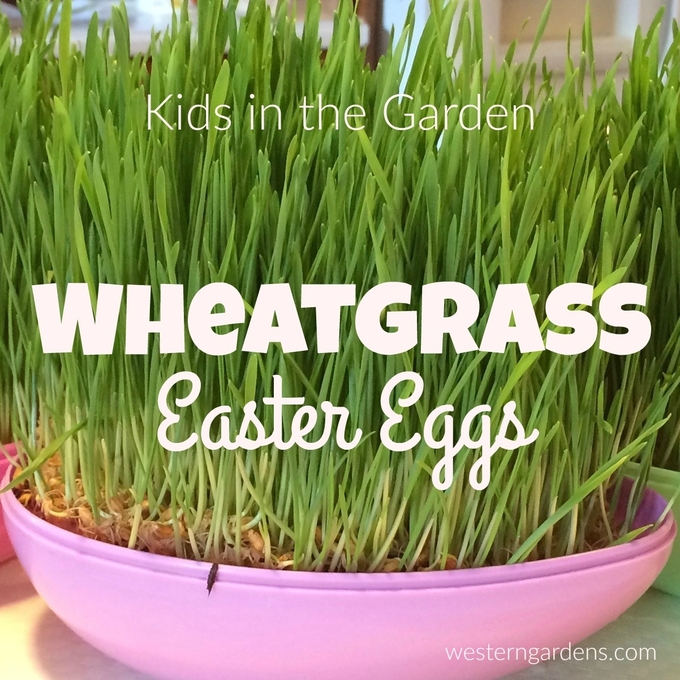
This Wheatgrass Easter Egg is a great kid craft to do anytime in the spring, not just for Easter.  It is inexpensive and easy to make – even little 3 year-old hands can do this; customizable to whatever you have – plastic egg, bucket, basket, whatever; quick and fun to do – who doesn’t like to play in the dirt; and very gratifying within a few days – children observe the growing seeds.  If you want to do this for the holiday, you need to think ahead about 1 1/2 weeks. Easter changes every year, so be sure to check the calendar!

wheatgrass easter eggs are simple to make and fun to watch grow.

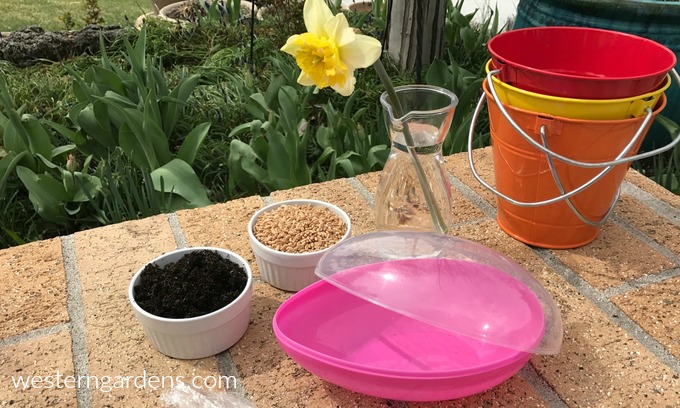
SUPPLIES:

» Leak-proof Easter container – pail, bottle, cup, plastic-lined basket, etc.  (I’m using a large plastic easter egg I found at my local dollar store. It came with a lid.)

» Plastic wrap or plastic lid

» Potting soil or vermiculite  (I used potting soil from my last year garden pots.)

» Whole-wheat grain (I used 30 year old wheat I had in my food storage.)

» Water

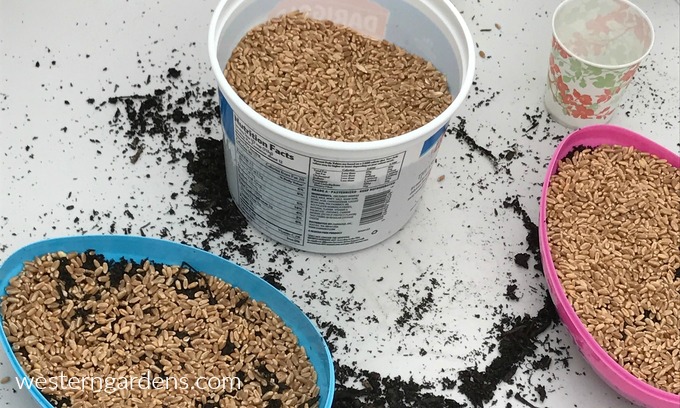
Items needs for making wheatgrass easter egg project.

Soil, whole wheat grain, container, plastic wrap or cover, and water. That’s it!

Wheatgrass Easter Egg INSTRUCTIONS:

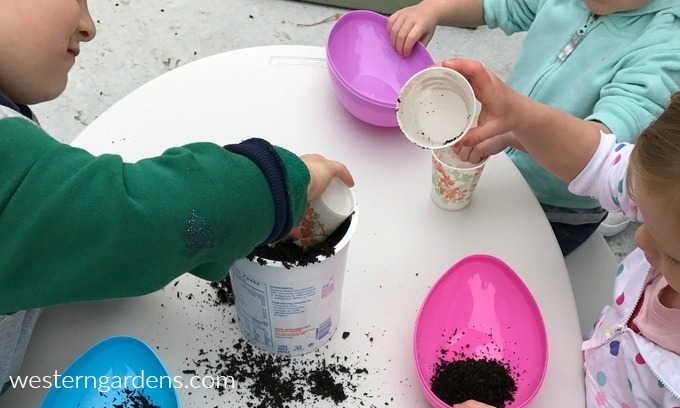
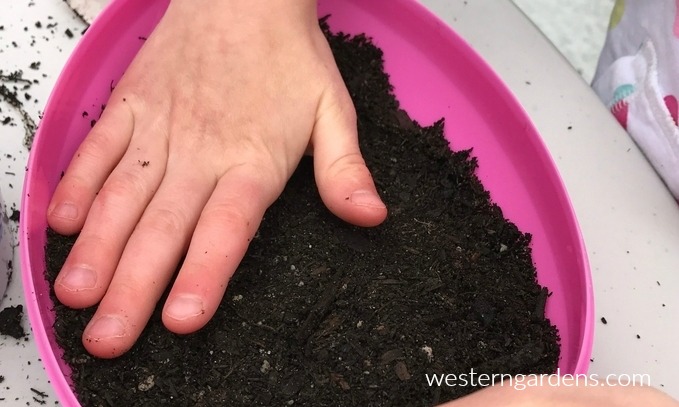
1. One to two weeks before Easter, fill container with soil or vermiculite to 1-2 inches below the top of the rim.  Gently pat down.

Placing soil into container.

Little by little putting soil in to within 1-2 inches of rim.

Pat down the soil

Gently pat soil. (You can talk or sing to it too if you want!)

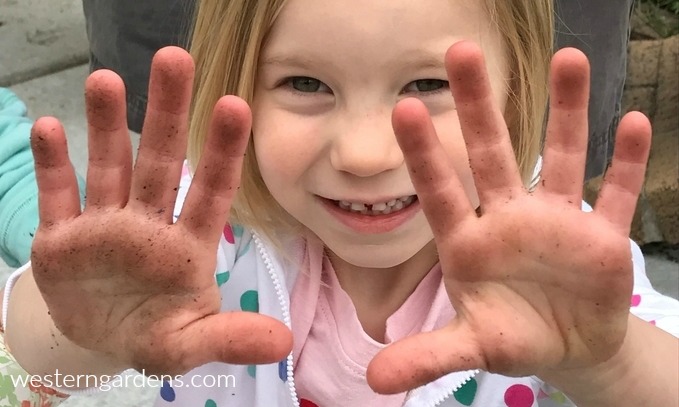
Little girl with soil on hands.

Don’t have to get all dirty!

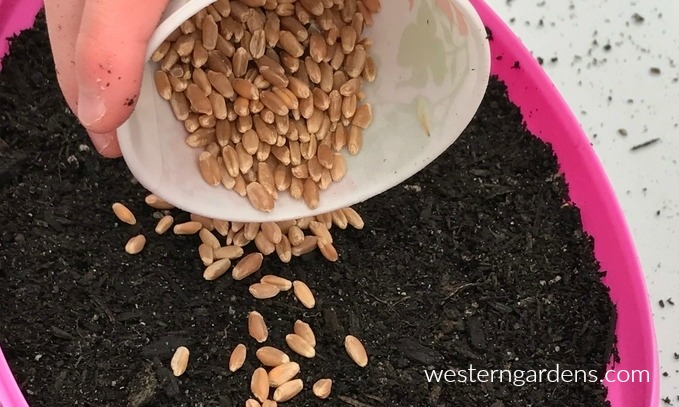
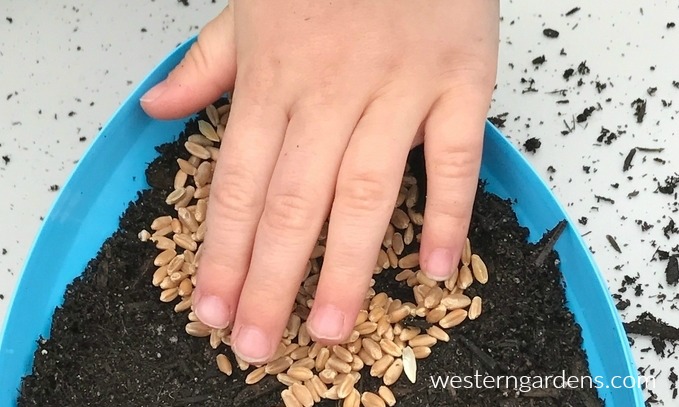
2. Sprinkle a layer of wheat over the soil.

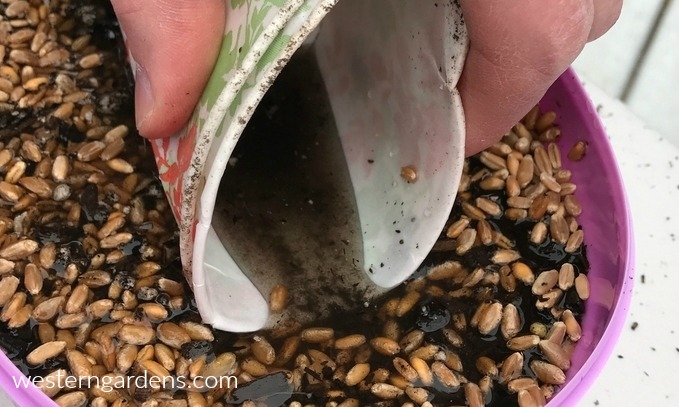
Sprinkling wheat grain on top of the soil.

The layer of wheat stays on top of the soil. Do not cover the seeds with dirt.

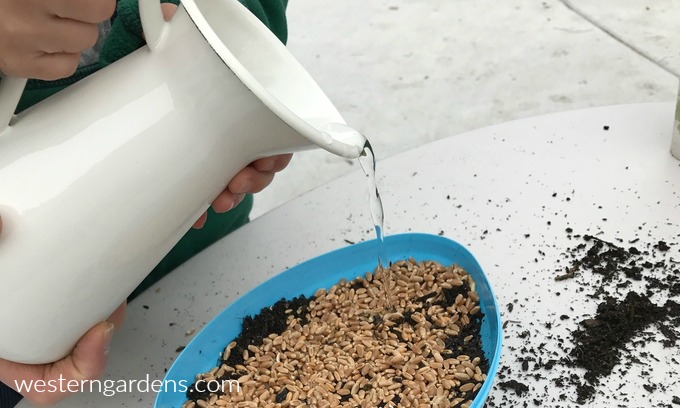
3. Pour water into container until water is barely visible beneath the wheat.  Note: Drain or “bail” out some water if you accidentally add too much and the seeds are swimming.

Pour water onto seeds and dirt.

Be slow and careful when pouring water into your container.

bailing out too much water from seeds and soil.

Be careful to bail out water if you get too much. Don’t want the seeds to drown!

4. Place lid or plastic wrap over the wheat.  

5. Place container in a sunny spot (not in direct sunlight).

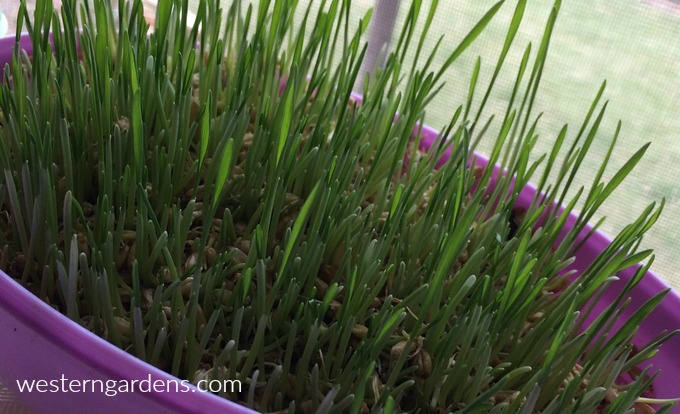
6. After 2-3 days, small sprouts should appear.  Remove plastic top.  

Little wheatgrass starts are popping out.

Take lid or plastic off when you see the wheat growing. Put in good sunlight (not direct-sunlight).

7. Watch your wheatgrass grow.

NOTE:  During this process, if wheat appears to be dry, mist lightly with water.

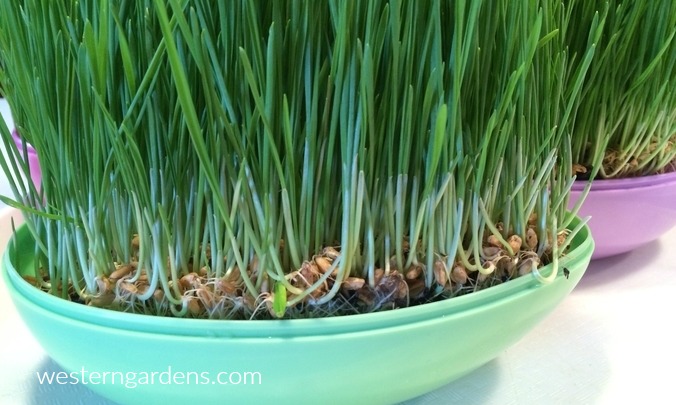
8. In 7-10 days, you should have a velvety grass patch!!  

wheatgrass grows quickly.

Be patient and watch your grass grow. For fun, get a ruler and mark how far the grass grows in a day.

I initially did this project with a group of women.  We tied pretty ribbons around the eggs and shared them with family and neighbors to watch grow.

Wheatgrass Easter Eggs are ready to give away with ribbon around them.

Put a ribbon around the egg and give to another to let them see the seeds grow. Or keep for yourself and enjoy measuring how much the grass grows in a day! Or make a fairy garden in the grass!

9. Add smaller plastic eggs or other little Easter characters in the wheatgrass, if desired.  After the wheatgrass had grown in the egg that I kept for my own family,  I placed in the grass colorful plastic eggs filled with jelly beans and other Easter favorites.  IDEA: It could be fun to create a fairy scene.

A byproduct of this activity – Wheatgrass juice  

Instead of throwing away your Wheatgrass Easter Egg, you could try making wheatgrass juice.  You’ve got a good little crop to give it a try.  Wheatgrass is gluten-free and is touted as one of the best super foods.  Many believe that it can detoxify the body and improve digestion.   Learn some basics about preparing this superfood by clicking here. 

Basics about wheatgrass juice


Filed Under: Crafts, How To Tagged With: Easter, easter craft, easter eggs, how to's, kid crafts, kid friendly, Kids Craft, seeds, wheat, wheatgrass

Snow Mold on Your Lawn – 8 Simple Ways to Solve

March 11, 2017 by Wendy Pettit

Welcome Gardening Friends! Thanks for stopping by.

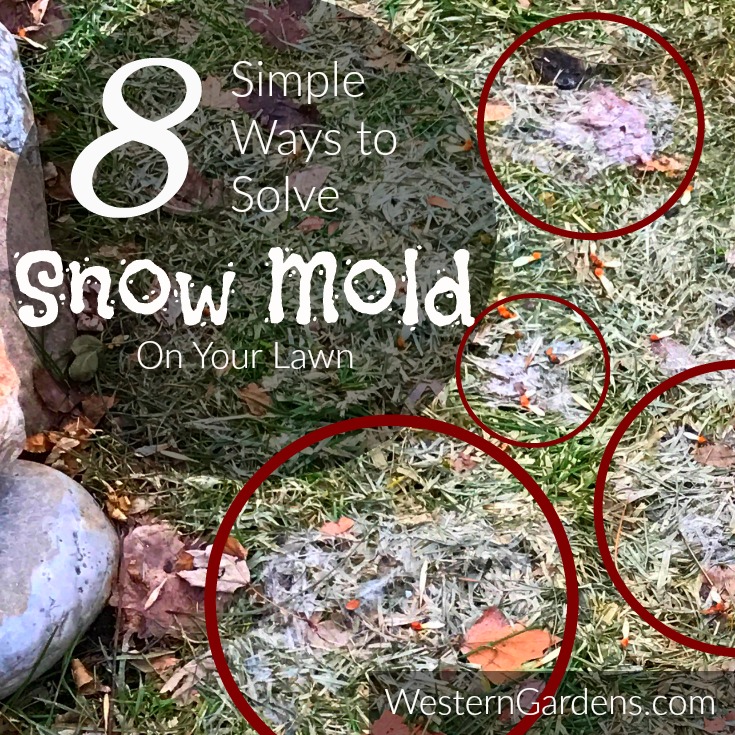
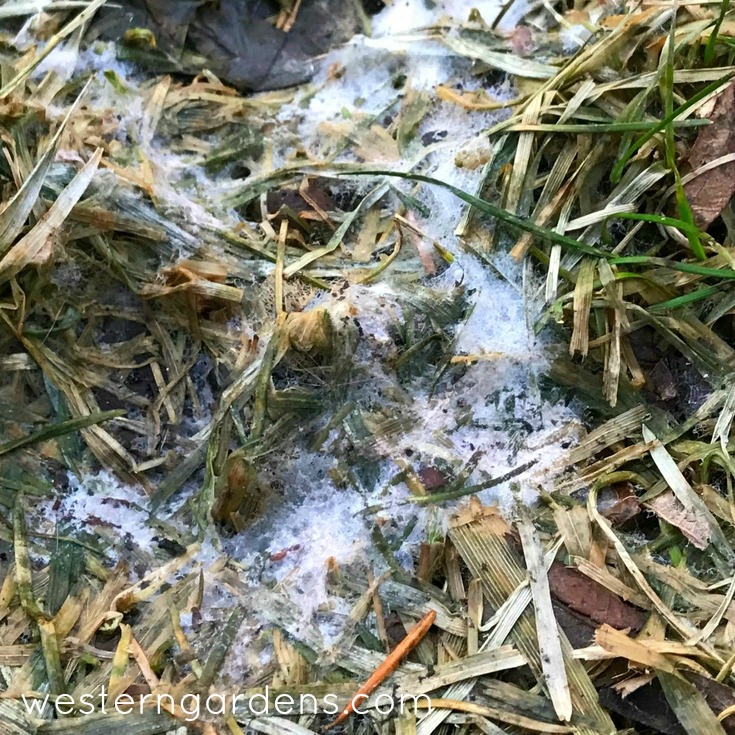
When the snow finally melted off our back lawn, my grass looked like it was dying. If yours does too, it could be a lawn fungus called SNOW MOLD. Don’t worry too much, snow mold seldom destroys the lawn; your lawn will recover.  This annoying disease can appear when the snow melts off the lawn in the spring.  Your turf will have circular type patches of matted straw-colored grass and can have a top layer of stringy mold.  (It reminded me of a salad mold that once grew in my refrigerator.) 

Here are 8 simple ways to solve SNOW MOLD on your lawn, and better yet, prevent it from happening.

8 ways solve snow mold on lawn

Current Problem Solutions to Snow Mold –

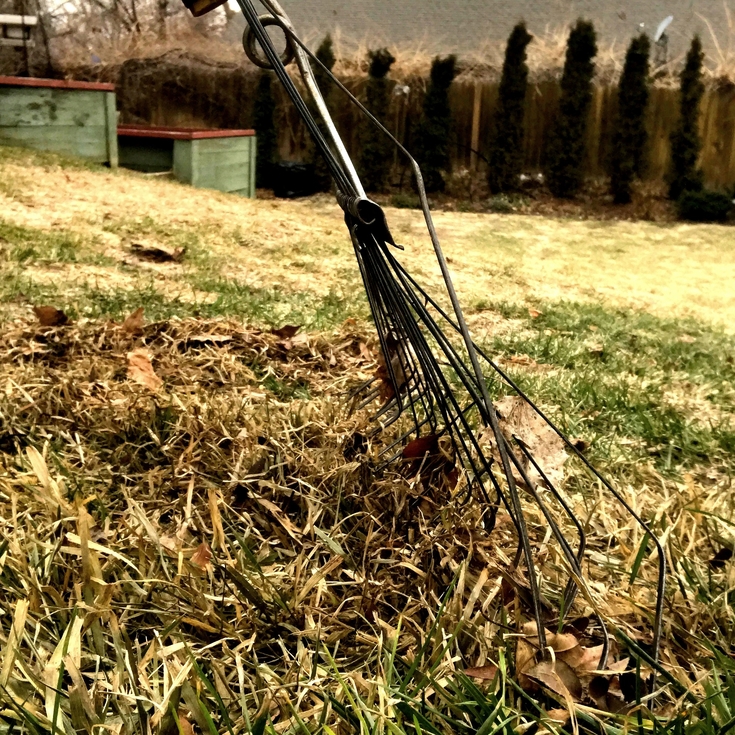
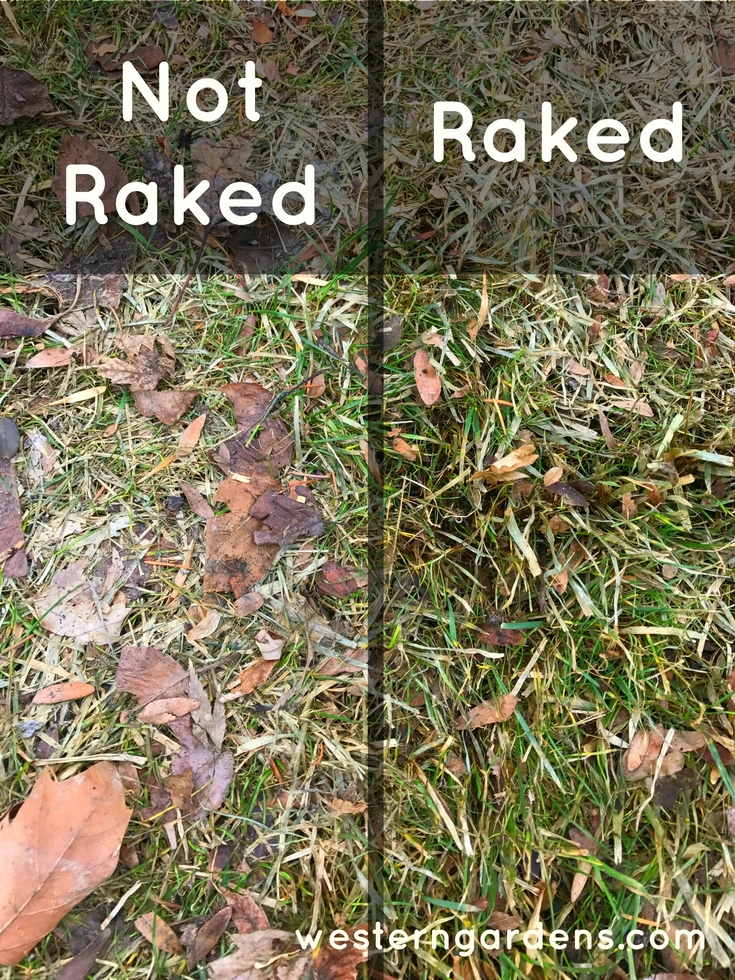
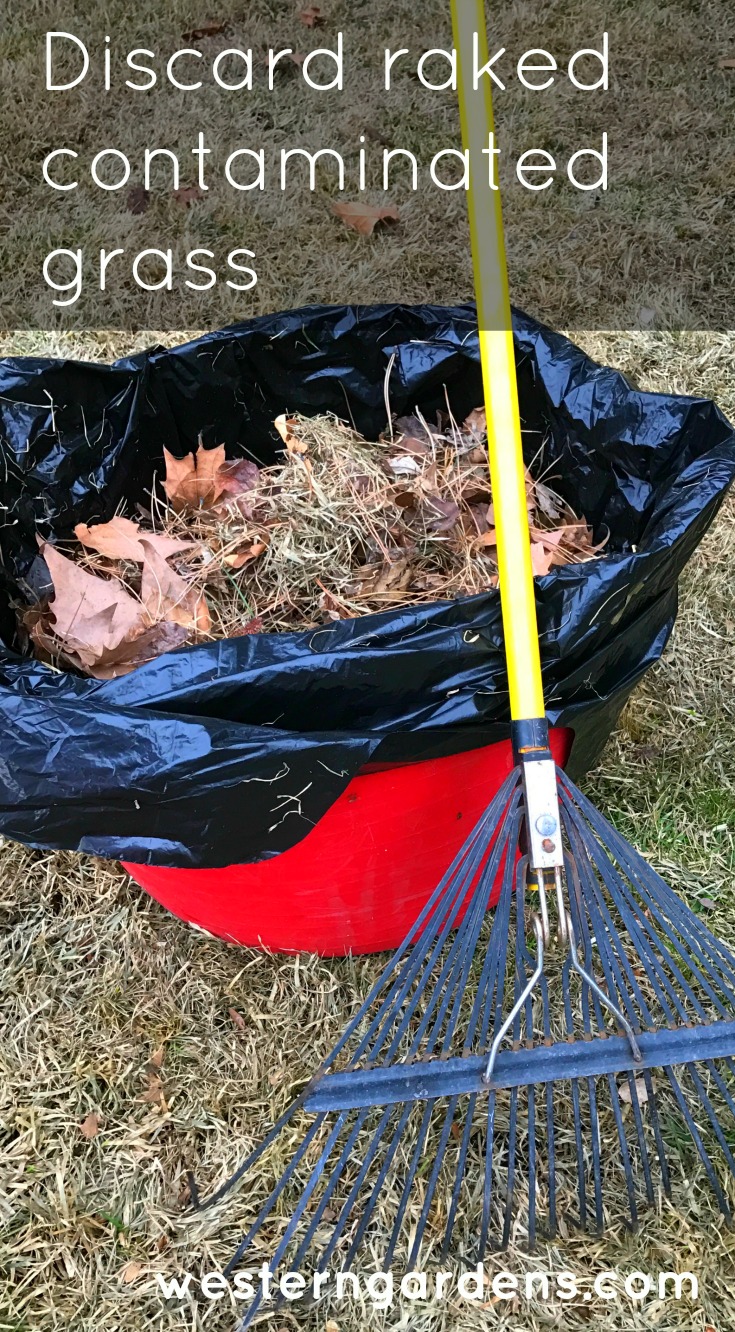
  • In the spring when you discover the mold, take action by gently raking the area.  This will help the air circulate through the lawn to dry it out and stop the mold from growing further.  Be careful not to rip up the grass.  The disease usually affects only the blade, so the crown of the plant is still good and will recover.  Throw away the grass you have raked up.rake grass to stop snow mold from growingbefore-and-after photos of raked lawn for snow mold
  • According to the proper schedule, regular fertilizing and mowing will help your lawn outgrow the fungus.  The lawn will green up and the damaged blades will eventually be cut off.
  • If your lawn has extreme snow mold, and you have tried the above solutions, a disease control product may need to be applied to the affected area.  See your local garden center, like the experts at Western Gardens, to obtain the correct product.  It’s always a good idea to take to the garden shop samples of the diseased plant and a photo of the area.

discard snow mold contaminated grass

Snow Mold Preventative Actions –

  • In the fall, be sure to rake leaves off the lawn. This can be annoying if you have trees that take all winter to lose their leaves, like a Sycamore.
  • In the fall, be careful not to use excessive nitrogen fertilizer. This will help slow down the growth of the grass before winter arrives.
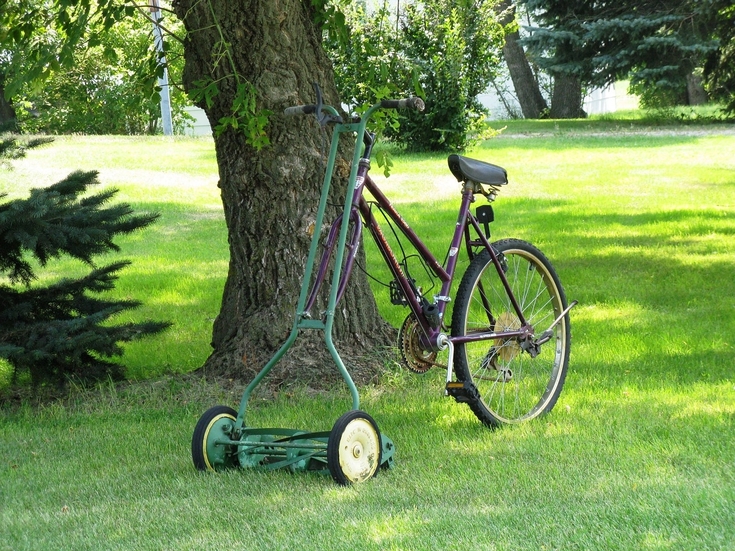
  • In the fall, be sure to continue mowing until the lawn’s growth slows down.  Make sure your last mowing is a shorter cut.  The taller the blades of grass when winter hits, the more snow mold is encouraged to develop.  (I believe this was the culprit for our problems this spring. We put the lawnmower away and then had a mild fall.)bicycle lawn mower
  • If each year you have this problem in certain areas, apply a fungicide to the grass in the fall.  Be sure to talk with your local garden expert for the correct preventative product.
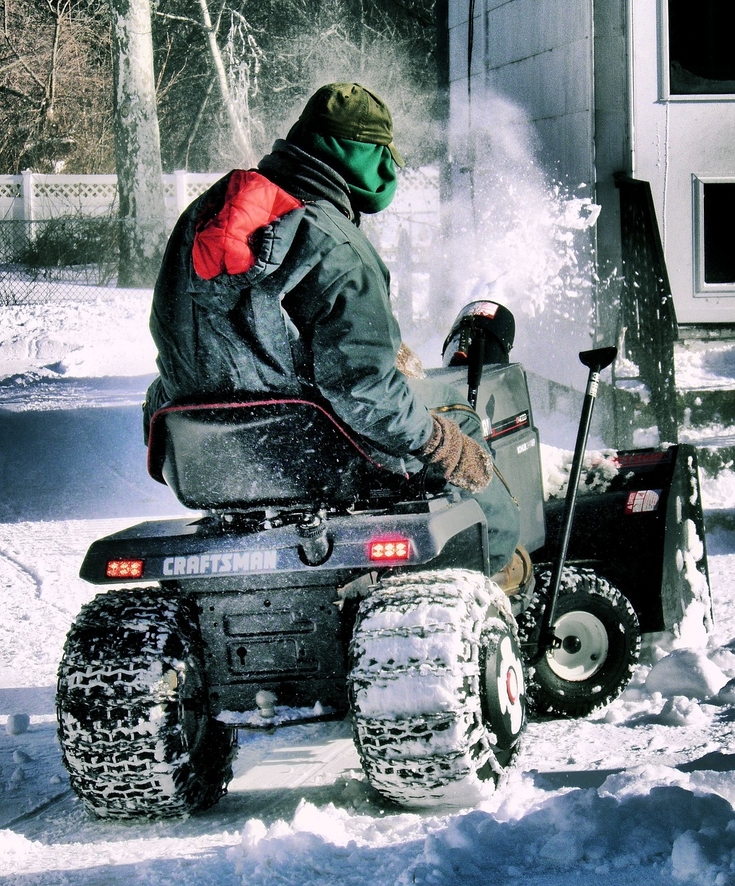
  • In the winter, if piles of snow build up where you or the street plows have worked, be sure to disperse the snow.  Where the snow is too deep on your lawn, it can take much longer in the spring to melt, inviting snow mold to grow with the warm spring temperatures. riding snow plow in cold winter
snow mold close up on lawn

SNOW MOLD on my Utah lawn

This warm weather signals time to dig in the dirt; but first, I’m going to walk barefoot through my recently raked and drying lawn.

barefoot in grass

Filed Under: Gardening, Lawn Care, Tips & How To's, Yard Care Tagged With: fall lawn care, how to's, Lawn Care, lawn disease, lawn fungus, snow mold, spring lawn care

Beneficial Insects You Want in Your Garden

September 15, 2016 by Vanessa Myers

10 beneficial insects you want in your garden! If you spot these in your yard, you're in good shape!

Welcome Gardening Friends! Thanks for stopping by.

Do you ever see insects in your garden and wonder which ones are friendly and which ones aren’t?  Which ones are helping and which ones are harming?  Then keep reading, I’ve put together 10 Beneficial Insects You Want in Your Garden!

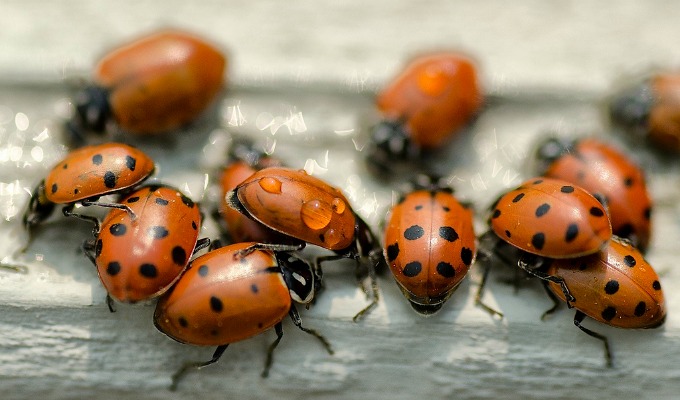
Ladybugs are definitely beneficial for your garden

Image by snowpeak under a Flickr Creative Commons Attribution License

10 Beneficial Insects You Want in Your Garden

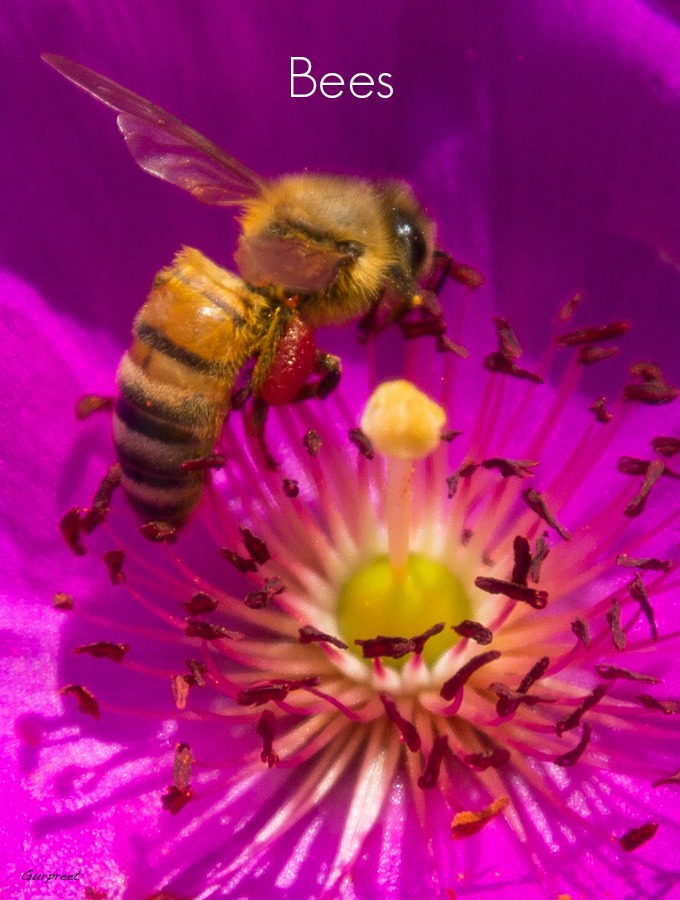
Bees will help pollinate many of your flowers

Image by zoxcleb under a Flickr Creative Commons Attribution-ShareAlike License

1. Bees

Bees are pollinating powerhouses and you want to see as many of them in your garden as you can get.  The more pollinators you have in your garden, the more fruit your plants will produce.

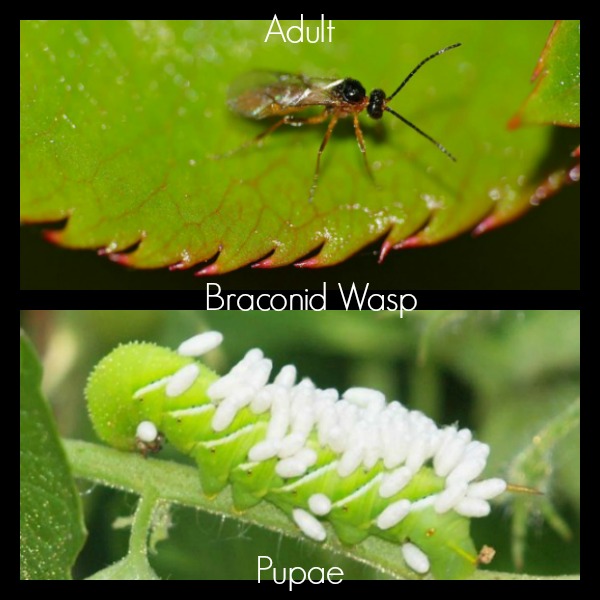
Braconid wasps lay their eggs in caterpillars

Adult Image by berniedup under a Flickr Creative Commons Attribution-ShareAlike License, Pupae Image by Bev Wagar under a Flickr Creative Commons Attribution License

2. Braconid Wasps

If you have ever found a tomato hornworm on your plants, you have seen the havoc that they can wreak. It won’t take them long to munch away all of the leaves on your tomato plants and you should squish it as soon as possible. However, if you ever find one that looks like the picture above, leave it alone. Braconid wasps are predatory and these beneficial insects lay their eggs in pests like the tomato hornworm. The larva feed on the caterpillar’s body, then emerge and form cocoons. This ultimately ends in the demise of the hornworm and more wasps to hone in on your other pests.

Some Pests Targeted by Various Braconid Wasps:

  • Aphids
  • Beetles
  • Caterpillars
  • Squash Bugs
  • Stink Bugs
Butterflies and moths are good pollinators for your garden plants

Image by Michael Khor under a Flickr Creative Commons Attribution License

3. Butterflies and Moths

Butterflies and moths are not just dainty beauties that like to flit around your garden.  They serve as pollinators for many different flower species, enabling them to produce fruit.  They can potentially be harmful while in the larval stage as caterpillars since they eat away at leaves.  Many times, though, it’s not enough to ultimately harm the plant and you can allow them to complete their metamorphosis.

Damsel bugs are one type of beneficial insect

Image by Bennyboymothman under a Flickr Creative Commons Attribution License

4. Damsel Bugs

Don’t confuse damsel bugs with damselflies, which are similar to their relatives, the dragonflies. Damsel bugs are true insects that love to go after many of the pests that snack on your vegetable garden plants.

Pests Targeted by Damsel Bugs Include: 

  • aphids
  • small caterpillars
  • moth eggs
Dragonflies love pests like mosquitoes

Image by Join the Dots under a Flickr Creative Commons Attribution License

5. Dragonflies

Dragonflies can consume their bodyweight in bugs every 30 minutes, so they’re a great help in keeping the pests at bay!

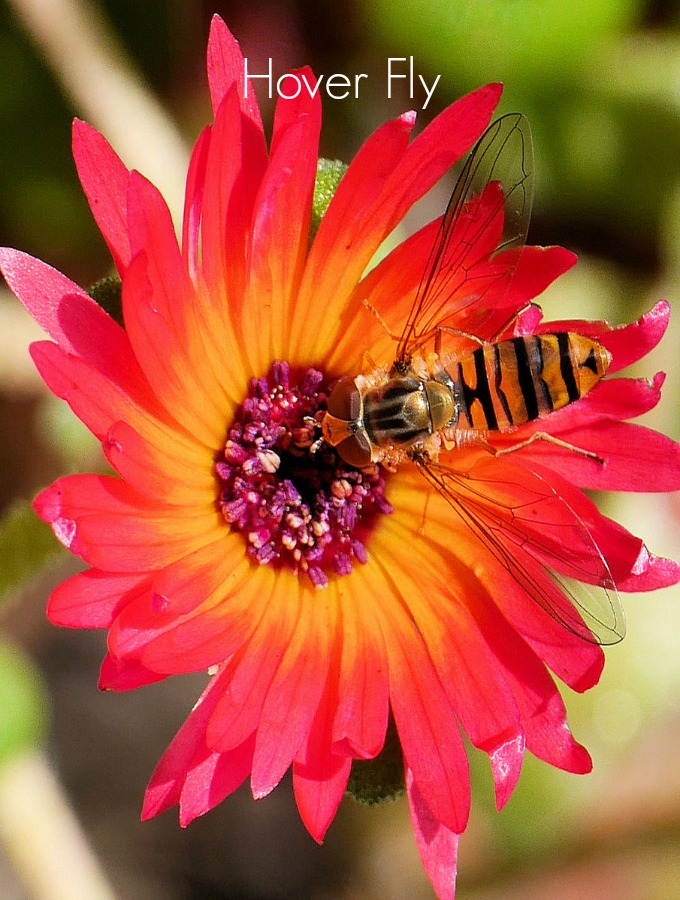
Hover flies will eat aphids, scales and thrips

Image by Smabs Sputzer under a Flickr Creative Commons Attribution License

6. Hover Flies

Hover flies, also known as syrphid flies, flower flies and drone flies, are great for controlling aphids, thrips, scale insects and caterpillars.  They are almost as effective as lady bugs in controlling aphids!

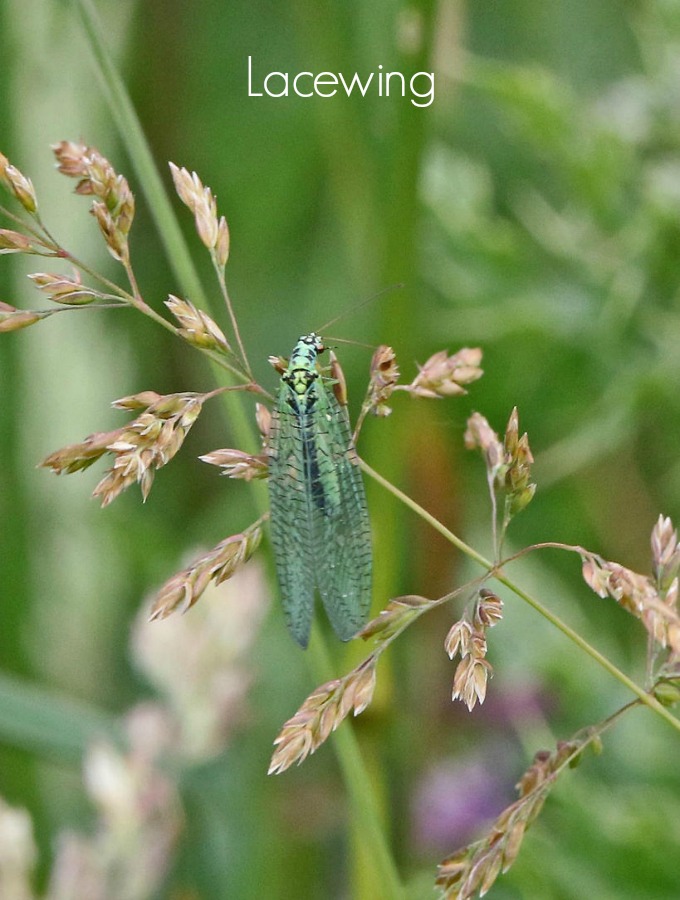
Lacewings will eat a large variety of harmful insects

Image by Mick Sway under a Flickr Creative Commons Attribution-NoDerivatives License

7. Lacewings

Lacewings are a helpful addition to the garden because the larvae are voracious predators of many pests including: aphids, spider mites (especially red mites), thrips, whitefly, leafhoppers, some beetle larvae, eggs of pest moths, and mealybugs.

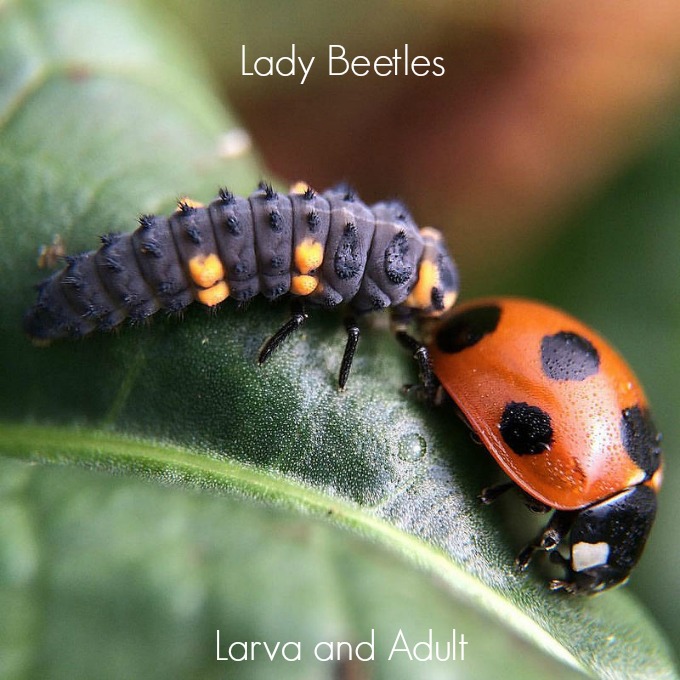
Both ladybug larva and adults are beneficial insects

Image by norio_nomura under a Flickr Creative Commons Attribution-ShareAlike License

8. Lady Beetles

Lady Beetles, more commonly known as Lady Bugs, are a popular addition to many gardens.  They are sold in local nurseries because they’re so effective at controlling aphids and other pests like small caterpillars, thrips and other soft-bodied insects.

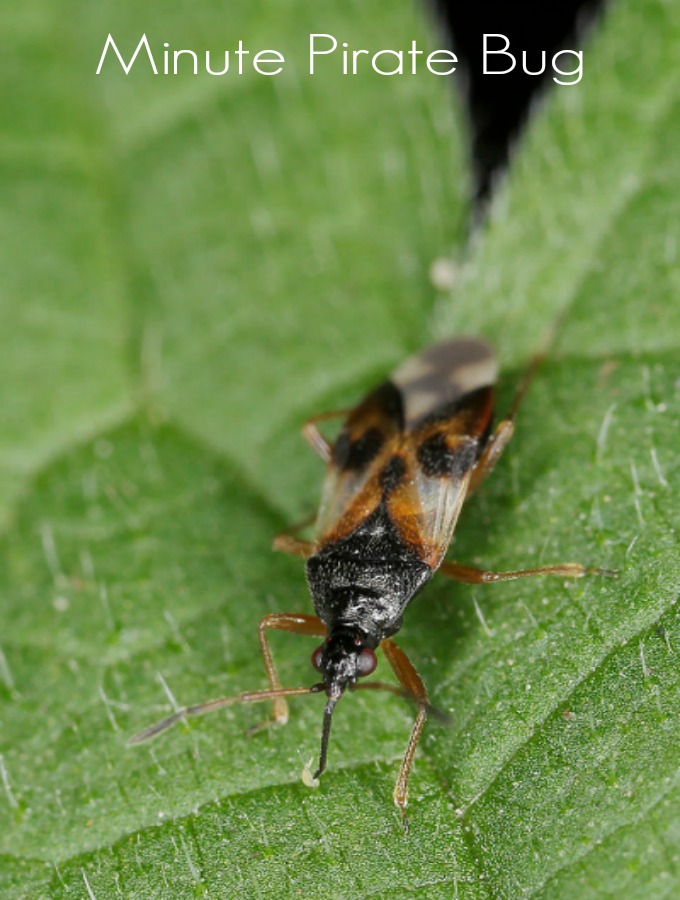
One insect that is beneficial in your garden is the minute pirate bug

Image by gbohne under a Flickr Creative Commons Attribution-ShareAlike License

9. Minute Pirate Bugs

Minute Pirate Bugs are tiny bugs (less than ⅕ of an inch long!) that are helpful in ridding your garden of pests including: aphids, spider mites, and thrips.  They are very predatory, and can consume up to 20 thrips larvae every day!
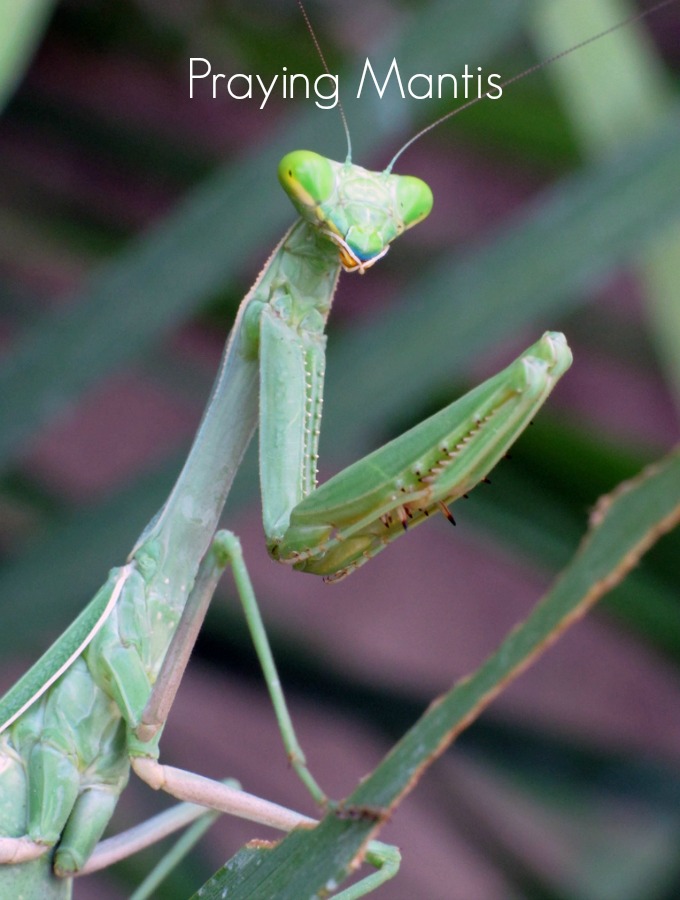
Praying mantises are so named because of how their legs are folded

Image by siamesepuppy under a Flickr Creative Commons Attribution License

10. Praying Mantises

Praying Mantises are helpful hunters because they prey on flies, crickets, beetles & moths.  These are great bugs to see in the garden!  But you should note that they are indiscriminate hunters…they eat pesky insects as well as beneficial ones, so just prey that they eat the pests!  😅
Honorary Mention: Spiders

Spiders are not included on this list because they are not actually insects.  Like other arachnids, they have eight legs, while insects have six. Many people shudder just at the thought of them. However, they truly are one of the most beneficial creatures to have around your garden since they take care of a lot of pests. If you can stifle the urge to squash any that are nonpoisonous, your garden will thank you!

What are your favorite beneficial insects?  Let us know in the comments below!

Filed Under: Gardening, Tips & How To's Tagged With: beneficial bugs, beneficial insects, bugs, garden, Gardening, insects, pests, Utah gardening

Fresh Peach Mint Lemonade

August 1, 2016 by Sydney Anderson

Fresh Peach Mint Lemonade: Sweet peaches paired with cool mint add a refreshing twist to traditional lemonade.

Hello, thanks for stopping by!

Do you love a tangy, refreshing lemonade on a hot summer day?  Me too!  Add in some peaches and mint and you have the ultimate drink…Fresh Peach Mint Lemonade!

Fresh Peach Mint Lemonade: Sweet peaches paired with cool mint add a refreshing twist to traditional lemonade.

Sweet peaches and refreshing mint pair perfectly with tangy lemonade.  We can’t grow lemon trees here in our Utah climate, but if you grow peaches and mint in your garden, this recipe is a necessity!

Fresh Peach Mint Lemonade: Sweet peaches paired with cool mint add a refreshing twist to traditional lemonade.

For help picking the right trees and tips for taking care of them talk, to an expert at Western Gardens.  There are a lot of varieties and they’ll help you choose exactly what you need!  (And if you ask nice, they might even show you some of the cool multi-variety trees like the “fruit salad” tree!  It has four different kinds of fruit grafted onto ONE tree!  So cool, right?!)

Fresh Peach Mint Lemonade: Sweet peaches paired with cool mint add a refreshing twist to traditional lemonade.As I was slicing peaches for this lemonade, I saw my blooming mint plant on the counter and decided to throw some mint leaves into the mix too.  And I’m so glad I did!  The mint added a cool, refreshing hint to the sweetness and made every sip a wonderful mix of tart, tangy, sweet and refreshing. I’ve made three batches so far and I’ve found that the longer you let the lemonade cool in the fridge, the better it tastes. I recommend letting it cool in the fridge for at least 3 hours.

Fresh Peach Mint Lemonade

Ingredients:

  • 4 cups water
  • ½ cup sugar
  • 4 medium peaches, pits removed and quartered
  • 2 Tbsp mint leaves
  • 1 cup fresh lemon juice (about 3 large lemons)

Directions:

  1. Add water and sugar to a large saucepan and bring to a boil.
  2. Add mint and peaches to sugar/water mix, reduce heat to med-low and let simmer for 5 minutes.
  3. Pour into a blender jar and remove the center of the lid, if possible (to allow steam to escape).
  4. Place a towel over the lid and blend on low for 25-30 seconds, or until smooth.
  5. Pour through a cheesecloth or fine mesh strainer into a pitcher. Discard the solids.
  6. Whisk in lemon juice and cool in fridge for at least 3 hours.

 Fresh Peach Mint Lemonade: Sweet peaches paired with cool mint add a refreshing twist to traditional lemonade.

Are you a tangy lemonade fan?  Or do you prefer your drinks a little sweeter?  No matter what your taste is, Western Gardens has a wide variety of herbs and fruit trees to make any drink your taste buds can imagine!  Talk to an expert today to see what plants will thrive best in your garden.

If this Fresh Peach Mint Lemonade sounds good, check out these other tasty drinks!Fresh Peach Mint Lemonade

Blackberry Mint Lemonade | Brazilian Lemonade | Lemon Berry Slush

To get a PRINTABLE version of this recipe, click NEXT!

Western Gardens | Utah

Pages: Page 1 Page 2

Filed Under: Fruit, Recipes Tagged With: fresh fruit, lemonade, mint, peach, recipe

3 Ways to Get Rid of Snails

July 10, 2016 by Kirsten

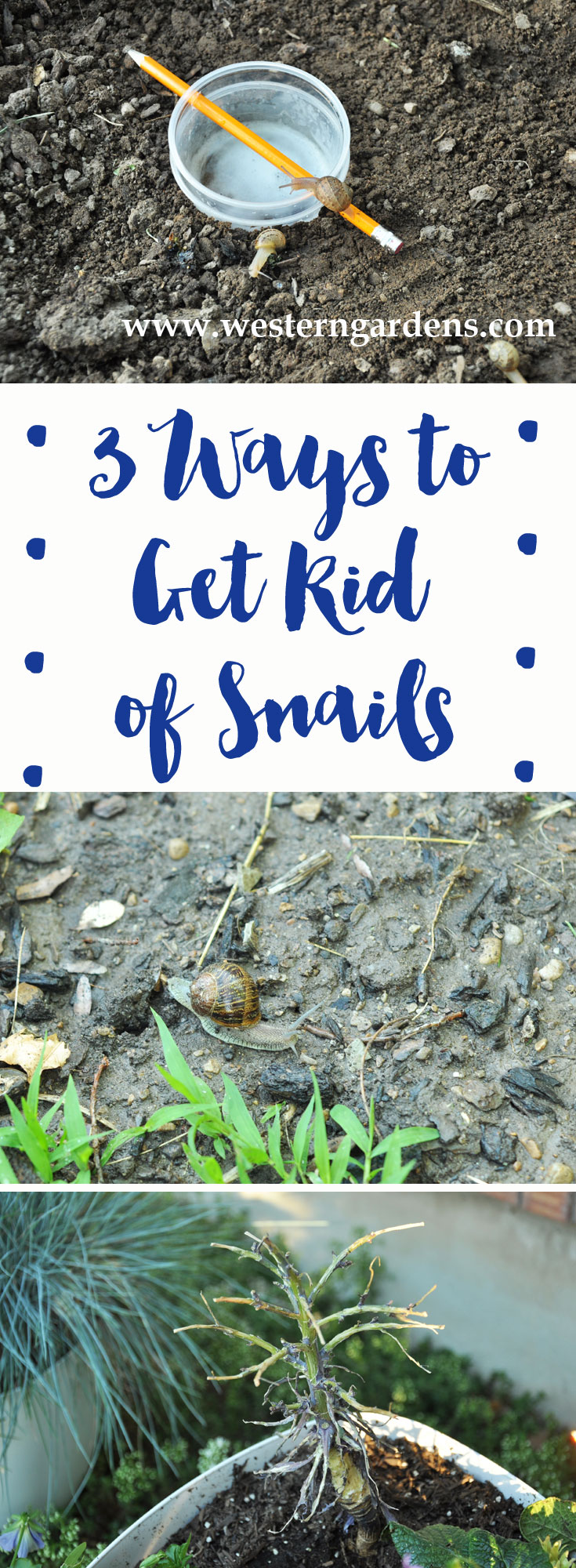
3 easy & cheap Ways to Get Rid of Snails, safe for pets and wildlife! www.westerngardens.com

Hello, thanks for stopping by!
3 Ways to Get Rid of Snails www.westerngardens.com

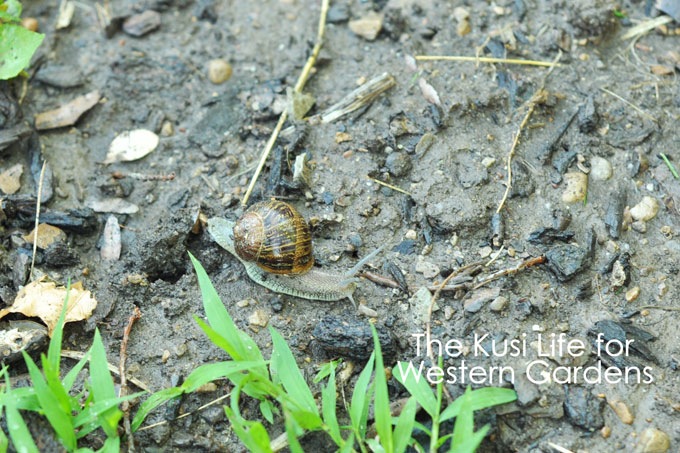
Have you ever had issues with snails or slugs eating your garden?  I sure have!  They’ve devoured some of my favorite plants, which motivated me to find some safe, natural ways to get rid of them!
3 Ways to Get Rid of Snails www.westerngardens.com
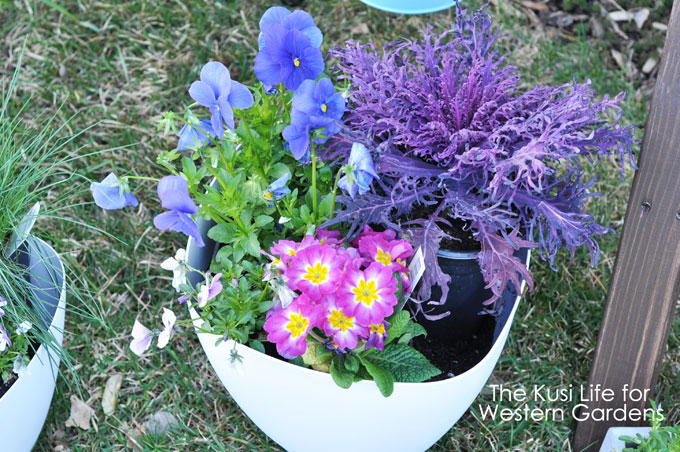
This is a pot I was prepping to plant in early Spring.  I especially love the bright colors, they look so happy!
3 Ways to Get Rid of Snails www.westerngardens.com
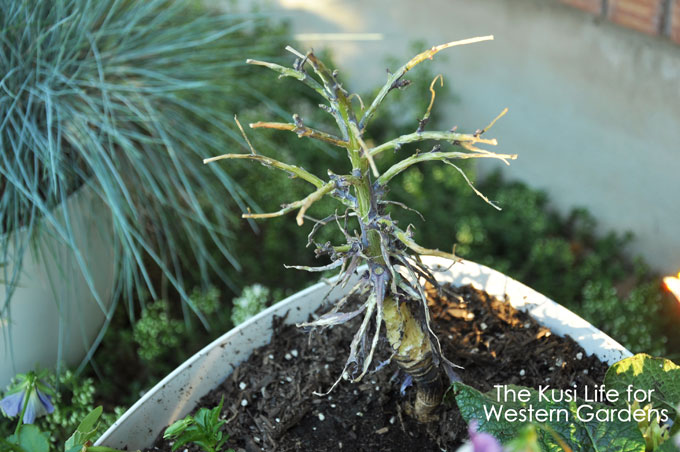
But this is what was left of my purple decorative kale after a gang of snails enjoyed it for a week or two. I actually found 5 or 6 snails sleeping contently in my pot. I was not happy with them!  If you need to protect your plants too, try one of these cheap and easy methods!  Beer Traps, Egg Shells and Sluggo all have benefits, so keep reading to see which one is right for you!

3 Ways to Get Rid of Snails

 1. Beer Traps

3 Ways to Get Rid of Snails www.westerngardens.com
I developed this particular trap to make it easy to get rid of the snails after they drown in beer.
3 Ways to Get Rid of Snails www.westerngardens.com

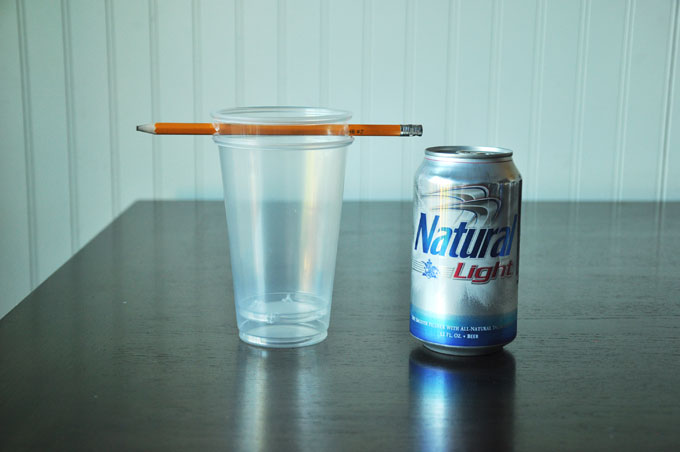
Beer Trap Supplies:

  • 2 disposable plastic cups
  • an old pencil
  • a can of beer
3 Ways to Get Rid of Snails www.westerngardens.com
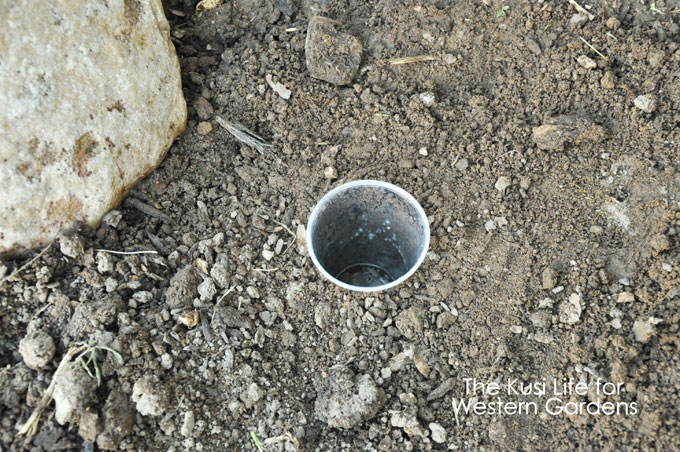
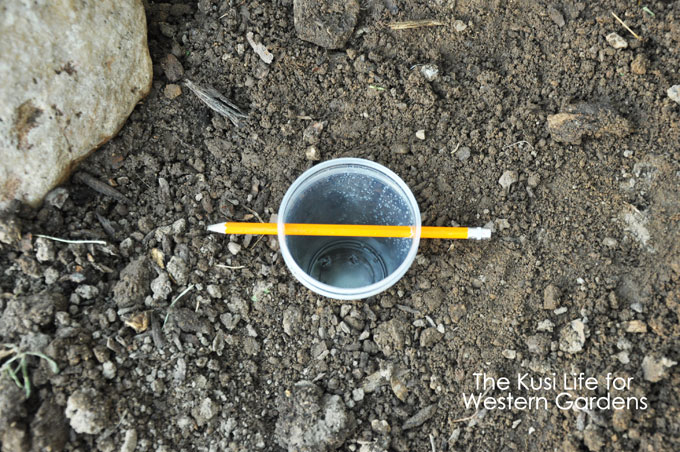
In the evening, dig a hole outside in your vegetable or flower garden, near your plants. Place the cup inside the hole. Make it level with the ground so the snails don’t have to climb far.
3 Ways to Get Rid of Snails www.westerngardens.com
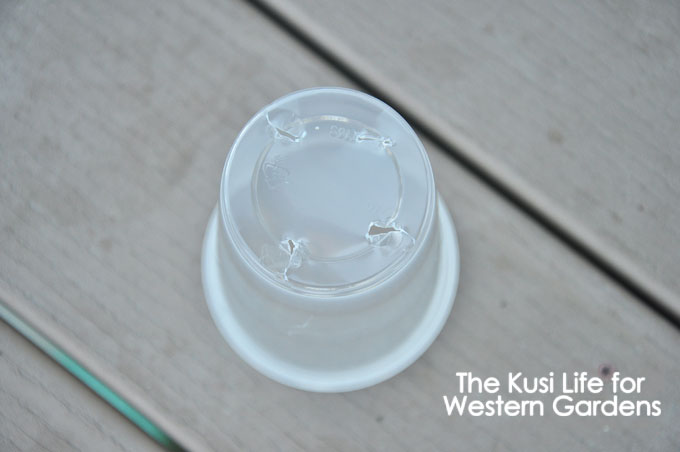
Using scissors, carefully poke 4 drainage holes in the bottom of the remaining cup.  Poke two more holes near the top, just under the lip, for the pencil to go through. This will ensure a gap between the cups so you can easily remove the top one to dispose of the snails the next morning.
3 Ways to Get Rid of Snails www.westerngardens.com
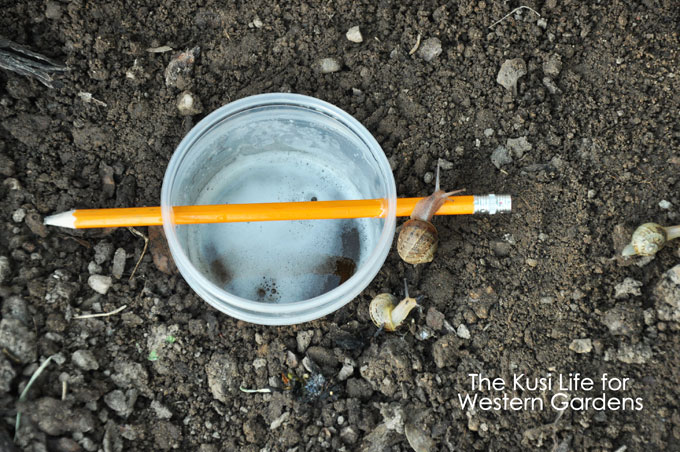
Place the cup with the holes and pencil inside the cup buried in the ground. Pour the whole can of beer inside the cup, leaving about an inch of headspace. This forces the snails to climb down into the cup, where they will drown in the beer.
3 Ways to Get Rid of Snails www.westerngardens.com
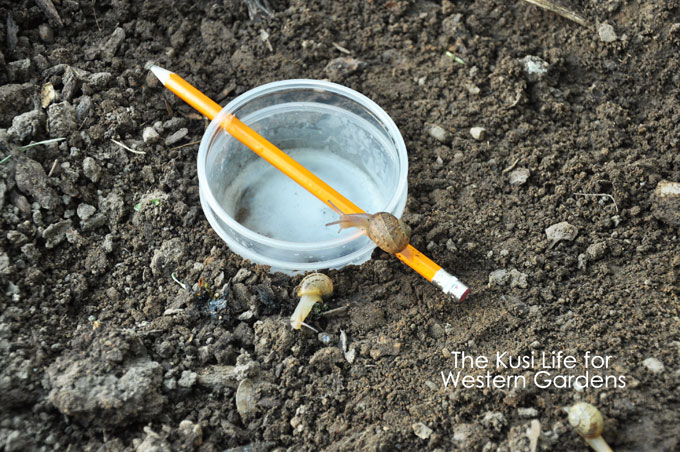
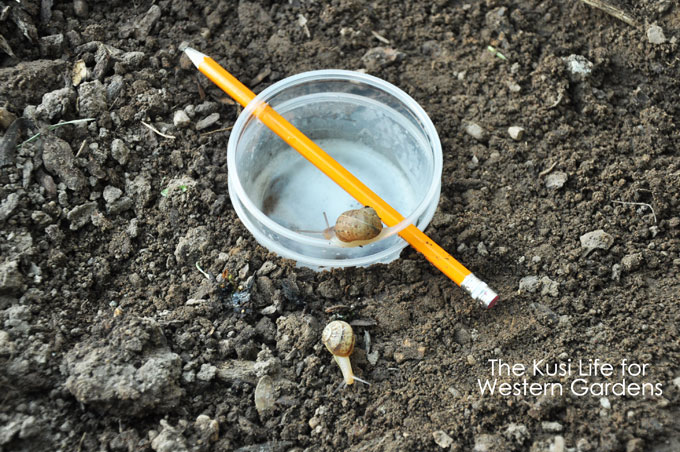
We put a few of our snails near the cup, and they were immediately drawn to the beer!
3 Ways to Get Rid of Snails www.westerngardens.com
He started in on his own.
3 Ways to Get Rid of Snails www.westerngardens.com
And down he went for a drink.
3 Ways to Get Rid of Snails www.westerngardens.com
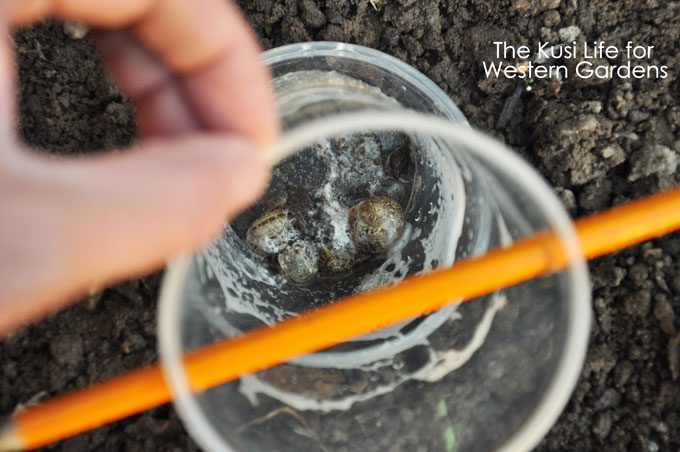
We caught 5 snails the first night!  To empty the dead snails, just pull the inner cup out and the beer will drain out the holes.  Dispose of the snails and gently push the pencil cup back into the inner cup, and the beer will fill back into that inner cup.
This method is easy, it uses only a few items, and I saw results literally overnight. The beer will last up to a week, but after being in the heat all day, I prefer to change it every other night.

Don’t Want to Buy Beer?

The yeast is what lures the snails to the cup to take a drink.  If you don’t want to buy beer because you don’t drink or you just want to save some money, you can make your own yeast mixture with a few pantry staples!

DIY Yeast Snail Bait

  • 1 Tbsp of flour
  • 1 tsp of sugar
  • 1 tsp of yeast
  • 2 cups of water

Click HERE for printable Beer Trap instructions!

2. Egg Shells

3 Ways to Get Rid of Snails www.westerngardens.com
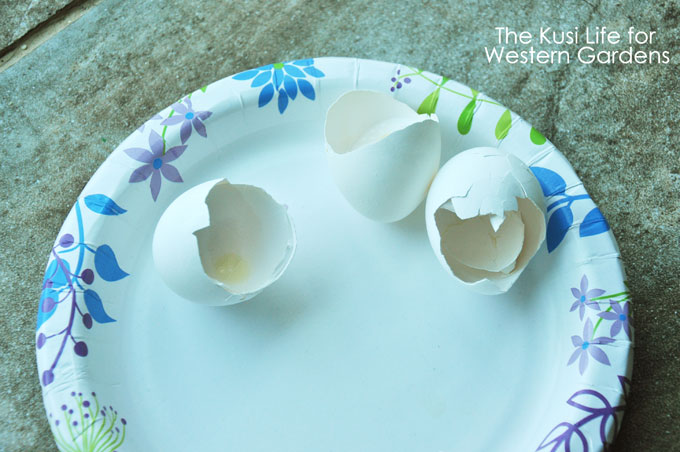
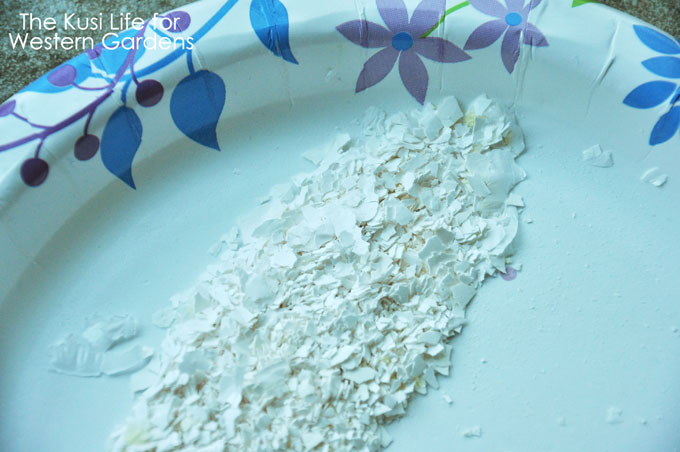
If you eat a lot of eggs, this is a free way to deter snails from your plants—and I stress the word deter, as this will not kill them. Simply save the shells from your eggs and allow them to dry out for a day or two. Then, using the bottom of a cup, crush the egg shells into small, sharp pieces.  Sprinkle the egg shells all the way around your plants, making a border. Make a fairly wide berth around the plant, or the snails will not be deterred.
3 Ways to Get Rid of Snails www.westerngardens.com
Snails hate the sharp pieces and will turn around and look for another place to eat…but they will not die, which is honestly what I want…to get rid of them entirely!  If it rains or if you water, you will probably need to sprinkle more egg shells around your plants again, otherwise they will be feeding on your plants the moment they get the chance!  This isn’t all bad though…egg shells are great for the garden because they add a lot of nutrients to the soil.

3. Sluggo

3 Ways to Get Rid of Snails www.westerngardens.com
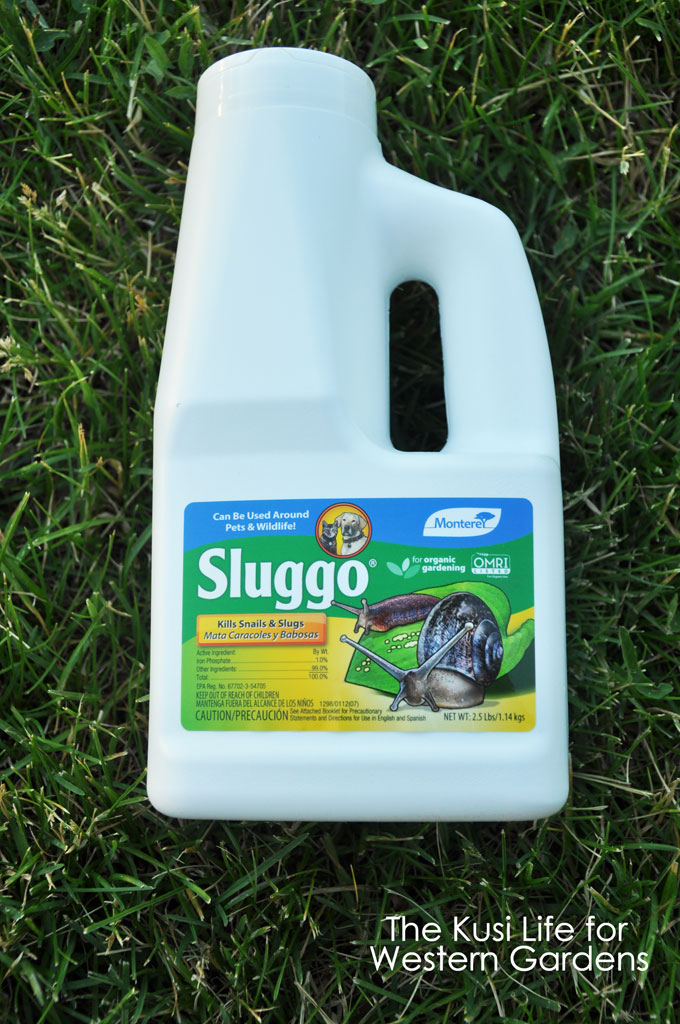
Sluggo is a great option when it comes to purchasing a natural snail-killing bait. It is completely safe to use around wild animals and pets as it has iron phosphate—a natural mineral found in the soil.  The snails eat the bait, lose their appetites, head to their hiding place and die within a few days.  And it still works if it rains or if you water your garden!  Sprinkle it around your plants about every two weeks.  I purchased mine as a recommendation from one of the associates at Western Gardens and I love it!

Which One is Best?

There are other methods that claim to get rid of (or deter) snails.  After trying just these 3 methods though, I have to say I loved seeing the dead snails in the beer.  It’s so satisfying to see a difference that quickly. However, the Sluggo is the easiest method of the 3.  Sprinkle the tiny pellets every two weeks and walk away.  This gives me more time to enjoy other things!  Like weeding.  😉  Both of these methods will rid you of snails, and hopefully prevent them from laying eggs before they die.
Have you had success in deterring/killing snails or slugs?  I would love to hear what has or hasn’t worked for you!
See the Happy!
           Kirstensig
Pages: Page 1 Page 2

Filed Under: Gardening, How To, Tips & How To's Tagged With: control, deter, DIY, get rid of, natural, repel, safe, slugs, snails

5 Reasons You Need Drip Irrigation

July 5, 2016 by Kirsten

HELLO FRIENDS, WELCOME!

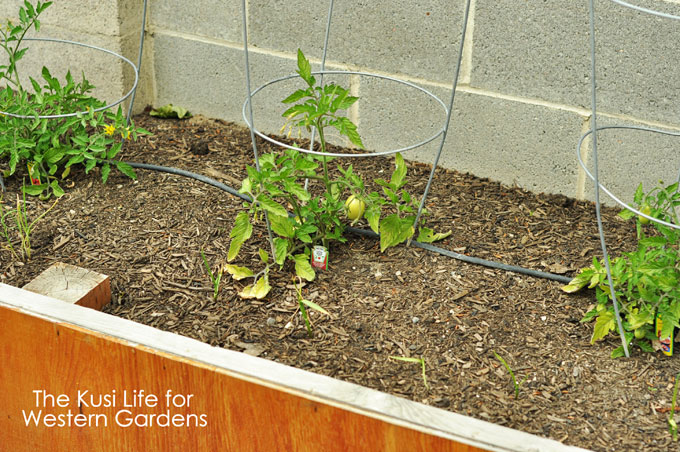
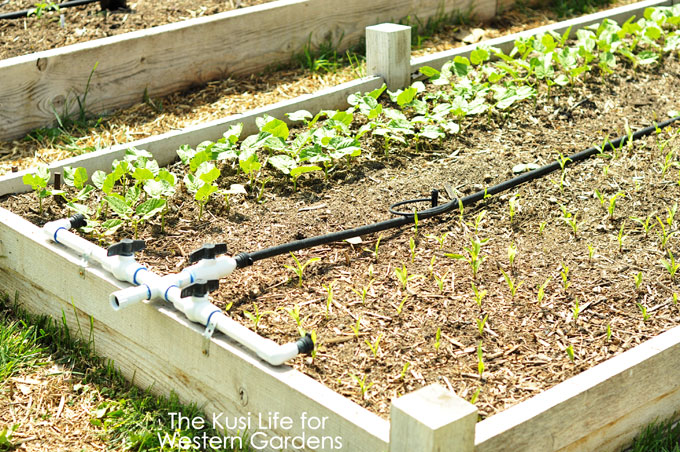
5 Reasons you need Drip Irrigation www.westerngardens.com

Drip Irrigation www.westerngardens.com

If you’re anything like me, you find gardening so rewarding—the planting, nurturing, and harvesting is such an amazing process. Eating something you grew, sharing it with friends and neighbors…it’s such an awesome feeling! And then it happens.  You get you get your water bill in the mail and all those awesome feelings are gone! Ugh!

The first year we purchased our home, we had an amazing garden! I loved being able to see the progress and use the different vegetables in our family meals. We had an awesome crop of watermelons, which require quite a bit of water, and by the second month we had a water bill of over $200! I began comparing the purchasing of 6 or 7 watermelons from the store to my $200  water bill and I was second guessing my desire for a garden the next year!

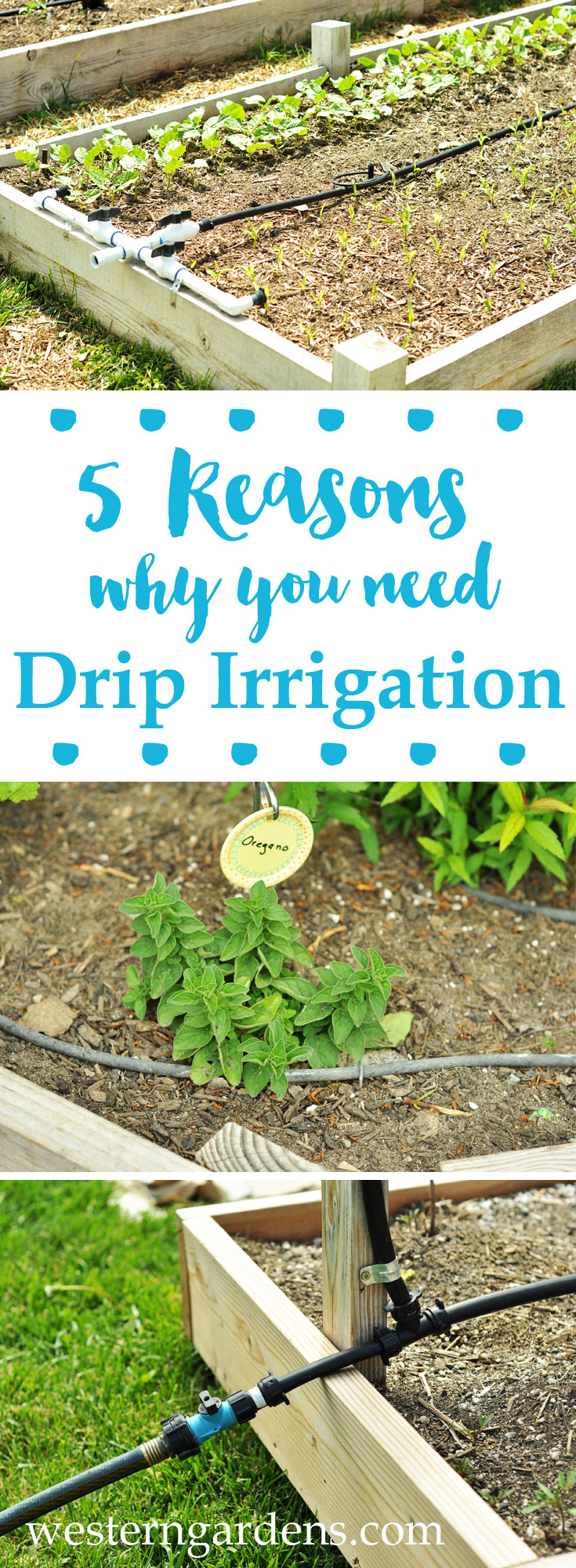
If you are not using drip irrigation in your garden, then this is the time to start!  I’ve got five reasons you need to invest in drip irrigation, and once you have it installed, you will see the benefits from day ONE, I promise!

5 Reasons you need Drip Irrigation www.westerngardens.com

5 Reasons You Need Drip Irrigation

1. Water Efficiency

Drip irrigation will deliver water directly to the root zone of a plant. The water will seep slowly into the soil one drop at a time. You will see that almost no water is lost from evaporation or through water running off into other directions, rather than the plant you are actually trying to nourish. Some studies show that using a drip irrigation system can save anywhere from 30%-70% water compared to other methods of watering, like sprinklers. Being able to conserve water in Utah is a must, almost every year we hear about the drought we’re living through!

5 Reasons you need Drip Irrigation www.westerngardens.com

2. Reduce Costs

No one wants to have a water bill of $200—it’s just way too much to pay each month! Because yards, gardens, and drip irrigation systems are all so different, it’s hard to calculate how much a person will save on their own water bill. The studies say that, on average, a person will use about 50% less water, and depending on different features and how efficiently the drip system is planned and set up, it can save up to 70%. Once you have your drip irrigation installed, compare your bill to the year before.  You could save anywhere from 50%-70% on that part of your bill!!

5 Reasons you need Drip Irrigation www.westerngardens.com

3. Save Time

Life is so fast-paced, and we all wish we could have more time.  Well, having a drip irrigation system can do that for you! Drip systems can eliminate the need to drag around hoses and sprinklers, set timers, and make sure you remember to rotate and then shut them off when the rotation is all done (I am definitely guilty of forgetting to shut them off!).  If you opt for a system that uses a timer, you will only need to take a few seconds to turn the system on, and that system will shut off automatically for you when it is all done. Even if you don’t want to invest in a timer, you will really only need to turn it on once and remember to shut it off anywhere from 5-10 minutes later. So much easier than rotating sprinklers!

5 Reasons you need Drip Irrigation www.westerngardens.com

4. Healthier Plants = An Increase in Crops

Who doesn’t want to get the most they can out of their garden? Wouldn’t you love a steady flow of harvest throughout the summer and into early fall? Drip irrigation can help with that too! Plants watered with a drip system will grow more quickly, and are more productive. This is because they have all the water they need and the plant growth isn’t slowed by water stress (I know I am not the only one who forgets to water at the same time everyday!). Another thing that drip systems can help avoid are fungal diseases, which often develop under moist conditions and occur when plants get too much water.

5 Reasons you need Drip Irrigation www.westerngardens.com

5. Reduce Growth of Weeds

Who wouldn’t love to have fewer weeds to pull?  I know I would!  Drip systems help with that too!  Because drip irrigation delivers water directly to the plants you want to grow, less water is wasted on weeds. The soil between the plants will remain drier, which discourages weeds from sprouting.  I am all about that!

5 Reasons you need Drip Irrigation www.westerngardens.com

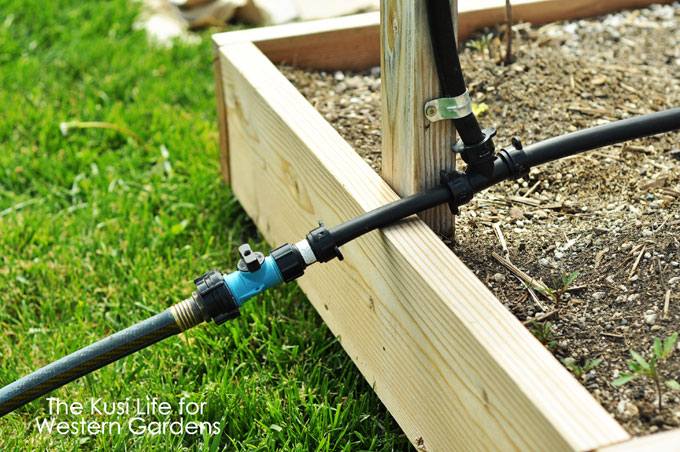
Are you ready to invest a bit of money and time into your garden?  There are starter kits sold for gardens anywhere from really small to very large.  Just make sure you purchase one that you can add to later, if you might need to.  You wont regret it!  You will love all the benefits of drip irrigation, and so will your pocketbook!

See the Happy!

Kirstensig

For more questions about drip irrigation, stop by any of our locations and talk to a Garden Solutions Expert!

Filed Under: Gardening Tagged With: conservation, drip irrigation, drip system, Gardening, increase in crops, save money, save time, water, water efficiency, watering system

Red, White & Blue Patriotic Flower Pot

July 2, 2016 by Jenn Crookston

Hi friends, thanks for stopping by!

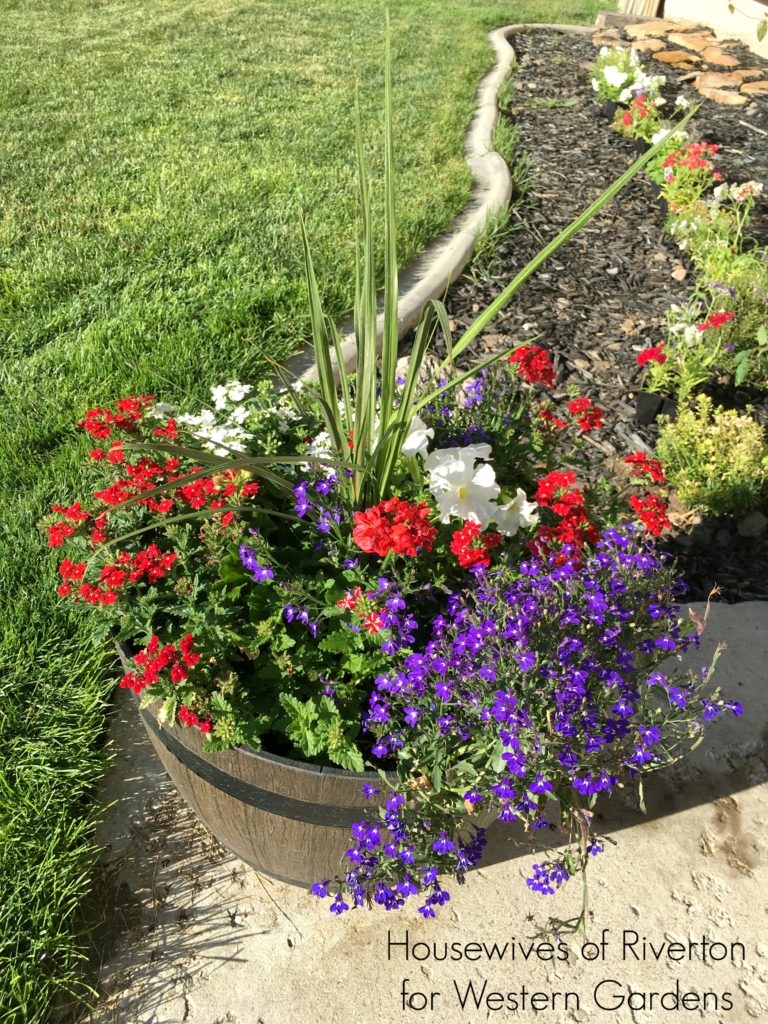
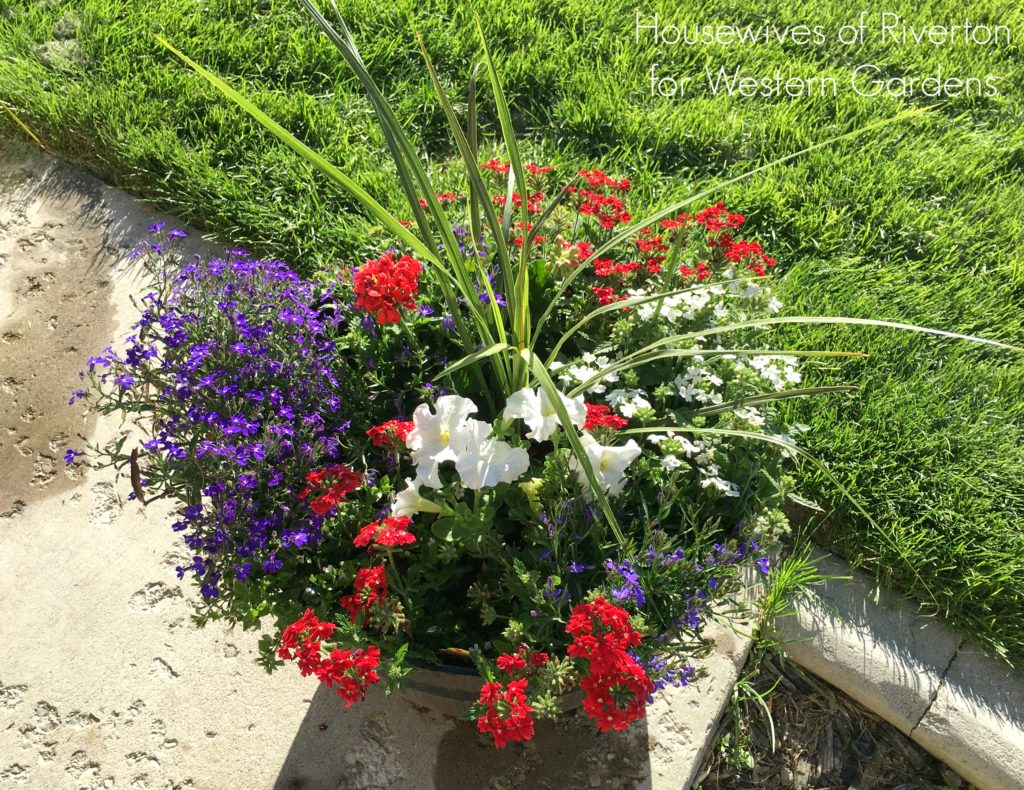
Red, White & Blue Flower Pots to dress up your patriotic 4th of July porch!

Patriotic Flower PotDo you love unique, patriotic outdoor decor?  Especially when flowers are involved?  Me too!

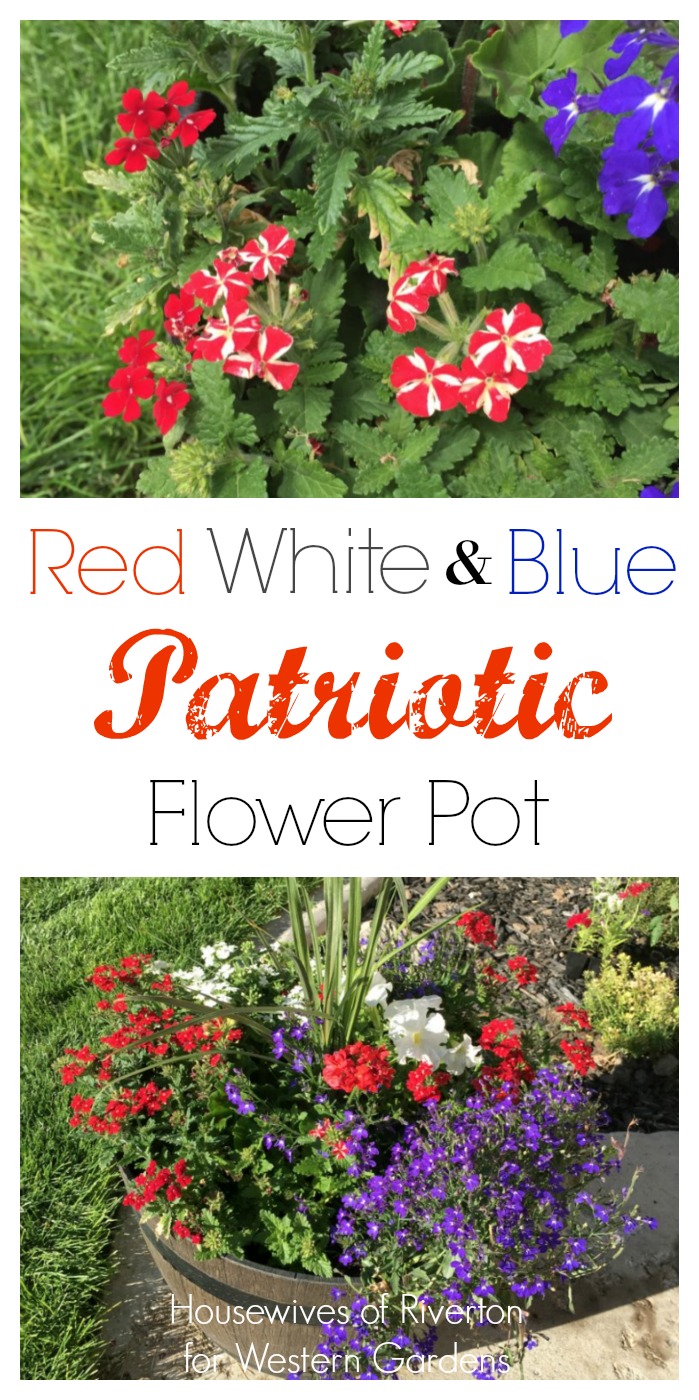
When I started my flower pots this year I knew I wanted a red, white & blue patriotic flower pot.  I love how all the colors look together and I love how this variety of flowers blend in this container.  The colors, the flower sizes & styles, and the greenery all just work perfectly.
Patriotic Flower PotI’m so happy with how my pots are doing this year!  I know that learning the proper steps from the Garden Solution Experts at Western Gardens has really increased my success, and because of how well my plants are doing, I keep wanting to plant more and more!

For a perfect flower pot in Red, White and Blue, start with your choice of pot (make sure it has drainage holes in the bottom).  Fill your pot 1/3 full with packing peanuts (this helps with drainage and takes up space without adding weight to the pot) and then fill another 1/3 full of fresh potting soil (I use Gardener’s Gold).  Lay your plants out how you want them to look in the pot before removing them from their plastic containers and filling the rest of the way with potting soil.
Patriotic Flower Pot

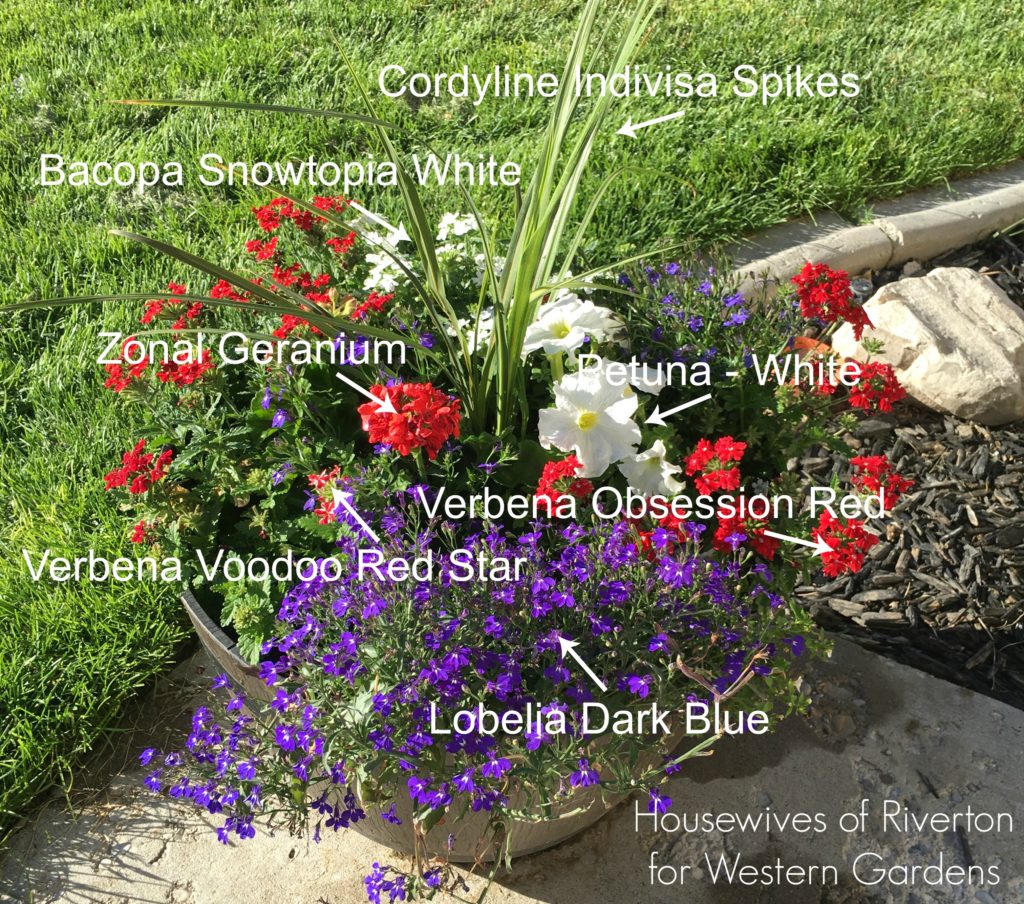
Red, White & Blue Patriotic Flower Pot:

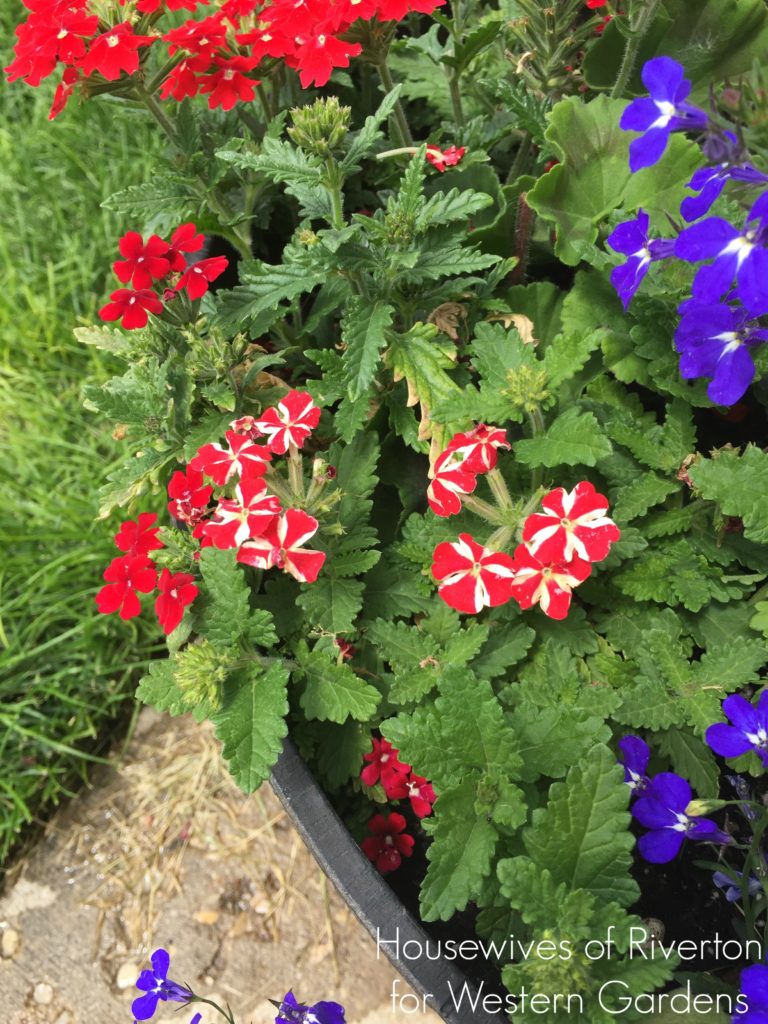
Red – Verbena Voodoo Red Star, Verbena Obsession Red, Zonal Geranium
Blue – Lobelia Dark Blue
White – Petuna and Bacopa Snowtopia White
Green – Cordyline Indivisa Spikes

Both the Cordyline Spikes and the Zonal Geranium are the thrillers for this pot.  My spillers are the Bacopa Snowtopia White and the Lobelia Dark Blue.  The fillers for this pot are White Petunia and Verbena Voodoo Red Star and Verbena Obsession Red.

I planted the Spikes and Geranium in the middle of the pot and then laid my other flowers out in a red/white/blue pattern around the outside.  It has all filled in so perfectly, I just love it!
Patriotic Flower Pot
I’m excited to create a smaller table top version of this pot for my 4th of July decor.  It’s hard not to create 20 of these pots to line the whole front of my house, they’re just perfect for the summer!

For more 4th of July fun check out these projects!
Patriotic Flower PotHand Print Flag Shirt – United States of America Wood Sign – Patriotic Star String Art

Filed Under: Annuals, Container Gardening, Flowers, Gardening, Utah Gardening Tagged With: 4th of July, decor, flower pot, flowers, Gardening, holiday, How To, patriotic, porch pot, Western Garden Centers

DIY Garden Markers

June 21, 2016 by Jenn Crookston

Hi there!  I’m so glad you stopped by today!

DIY Garden Markers

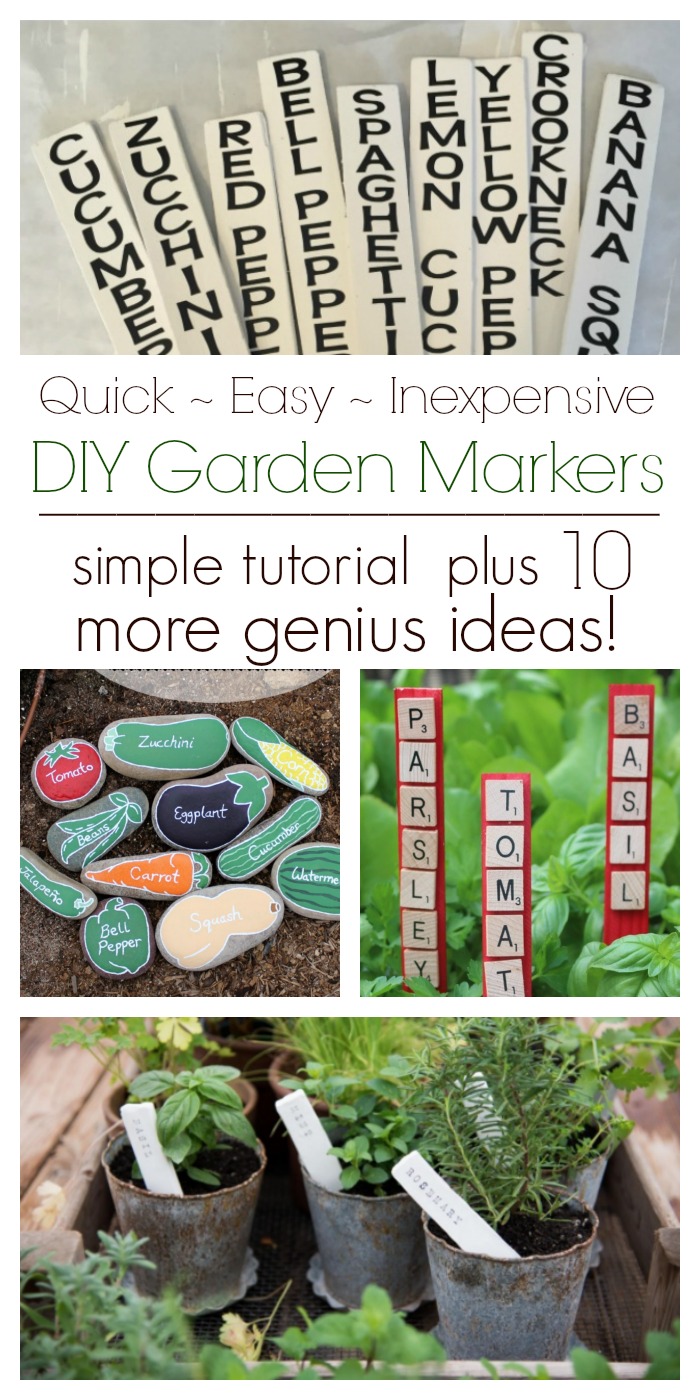
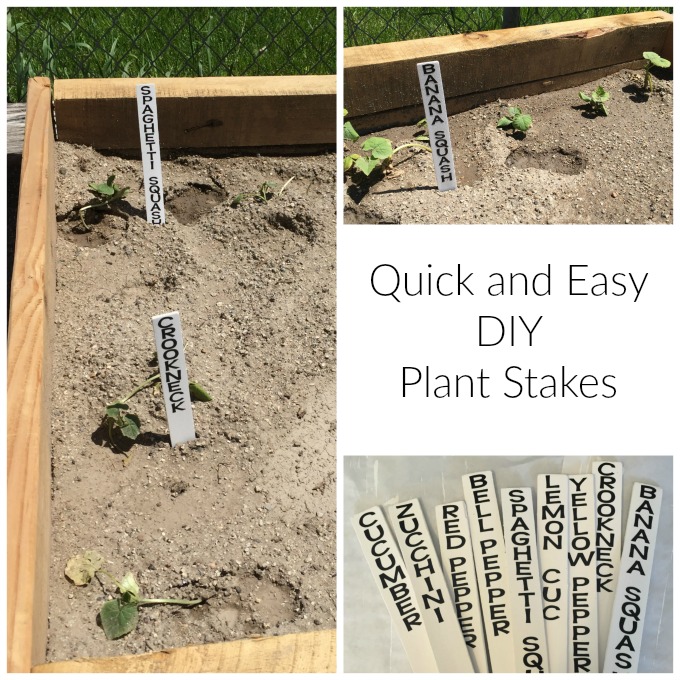
Are you looking for an easy (and nearly free!) way to mark your veggies in the garden?  I have a simple idea for you!  Because if you’re like me, you probably won’t remember what you planted and where it went…but these DIY garden stakes will keep you organized and excited to see what veggies you’ve got coming.

DIY Garden Markers

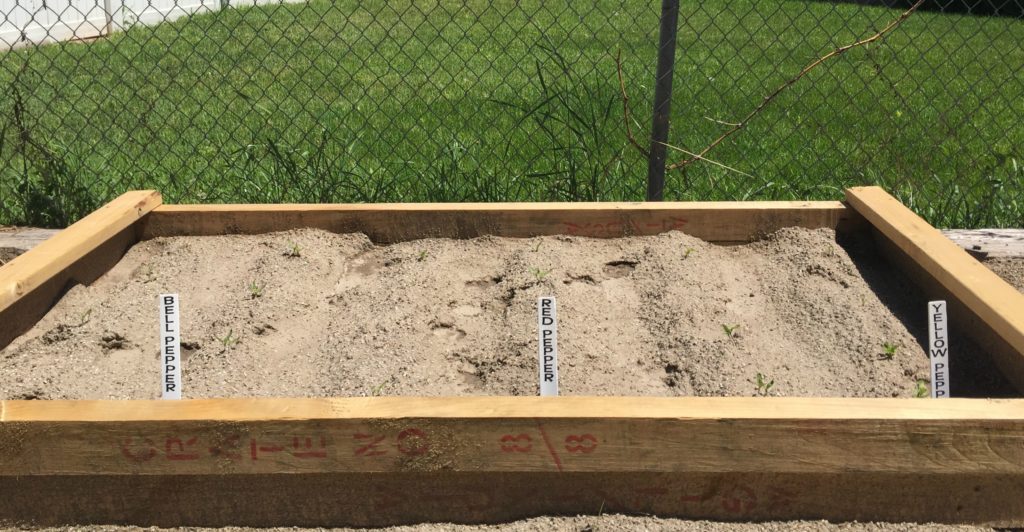
This year we built some raised garden boxes to grow our veggies, and I can’t wait to see them overflowing with produce!  And I’ll know exactly what I have since these DIY garden stakes are so easy to see and read.

DIY Garden MarkersI was working on another project recently, and I mentioned it to the employee at my local paint counter.  She passed me a handful of stir sticks and said, “I think these might work for your project!”  And she was right!  Since then, when I’ve got a project to create, I consider what free items I can use.  For my DIY Garden Stakes, I headed back to the paint counter and requested some paint stir sticks.  I love how obvious it is that I’m not the only person who asks for stir sticks but no paint…without batting an eye, they just pass them over!

DIY Garden Markers

DIY Garden Markers

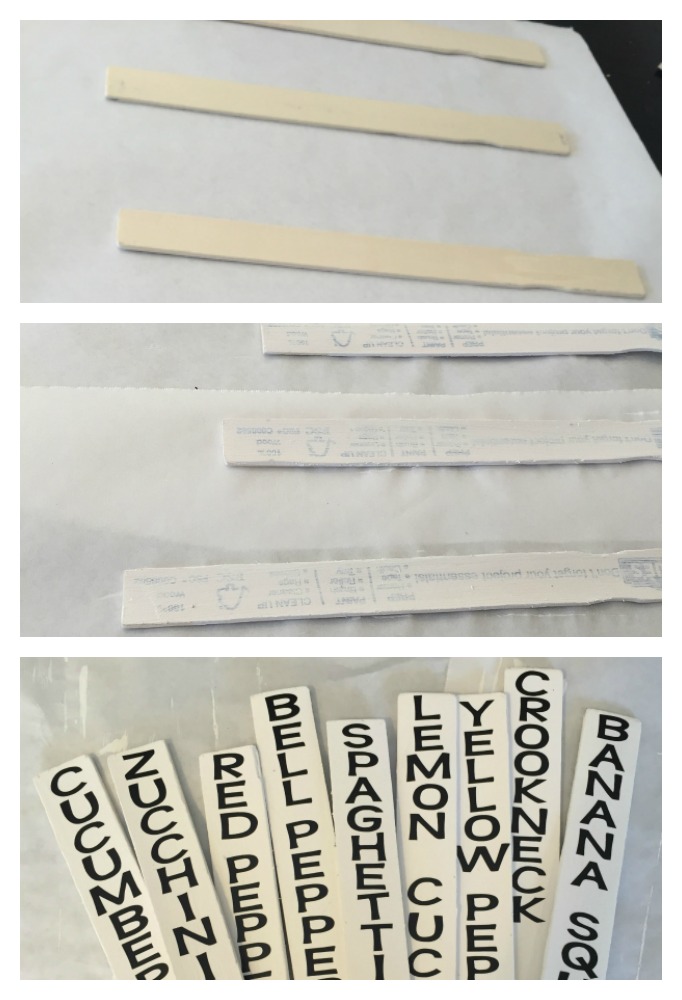
  1. Lay paint sticks out on wax paper (the paint doesn’t stick to the wax paper, making it easier to flip the sticks over).
  2. Paint with an exterior paint, for added durability (it’ll take a few thin coats to cover the stamped print on sticks, but if you don’t care about the back side being painted, you can get away with one coat).
  3. When the paint is dry, use outdoor vinyl and a vinyl cutter (like a Cricut machine) to cut out the names of each of your plants, and attach them to one end of the stir stick.
  4. If you don’t have a vinyl cutter, use a Sharpie to write the veggie names.
  5. Use as is, or cut the ends of your paint stir sticks to a point, to look more like a stake.  I didn’t need to do this since my soil was soft enough to push my markers in without a point.

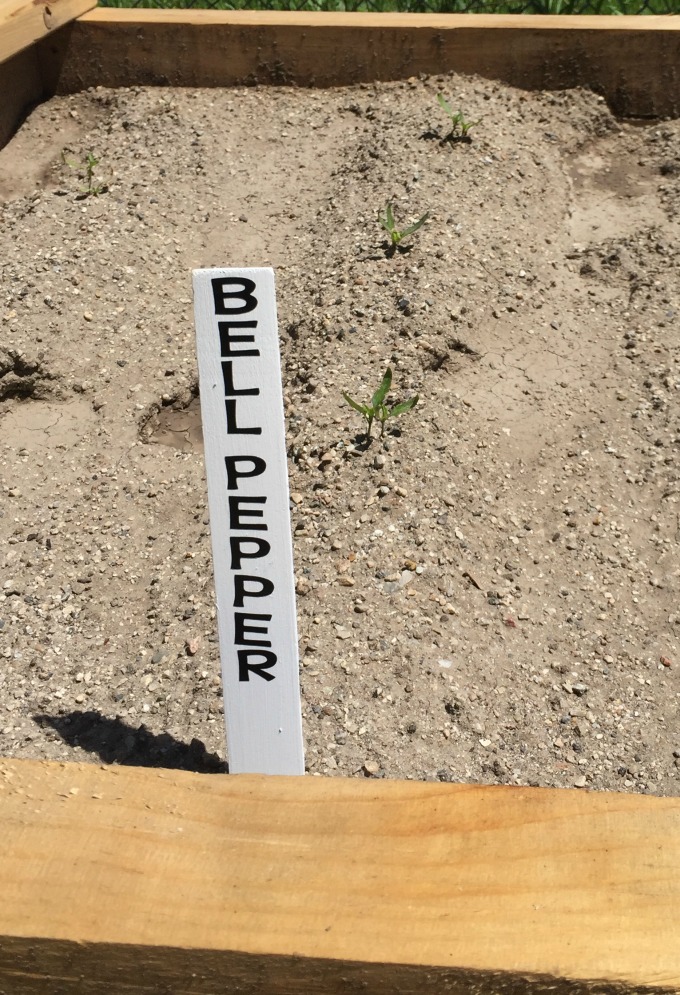
I love how they look in the garden!  The bright white with the easy-to-read black print makes me smile each time I walk out to the garden.

DIY Garden Markers

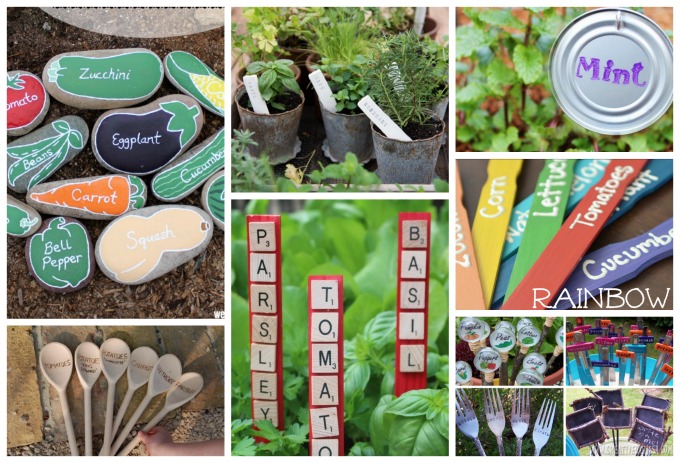
Looking for even more garden marker inspiration?  Click the image below to see 10 cute, easy and inexpensive ideas!

DIY Garden Markers

Pages: Page 1 Page 2

Filed Under: Crafts, Gardening

  • « Go to Previous Page
  • Go to page 1
  • Interim pages omitted …
  • Go to page 5
  • Go to page 6
  • Go to page 7
  • Go to page 8
  • Go to page 9
  • Interim pages omitted …
  • Go to page 16
  • Go to Next Page »

Primary Sidebar

Shopping Cart

Items in Your Cart

Your cart is empty
Visit The Shop

Follow Western Gardens

  • Facebook
  • Instagram
  • Pinterest
  • YouTube

See what we’ve been pinning!

Follow Me on Pinterest
Followed by people.
?

Pinterest Badge by Skipser

Here’s What We’ve Been Up To!

Save water and money by Turf Training - train your lawn to grow deep roots
work at western gardens utah garden center
Senior gardening woman Edu Carvalho from Pexels
A Utah Guide to Vertical Gardening in square shape

Copyright © 2026. Western Gardens - Privacy Policy